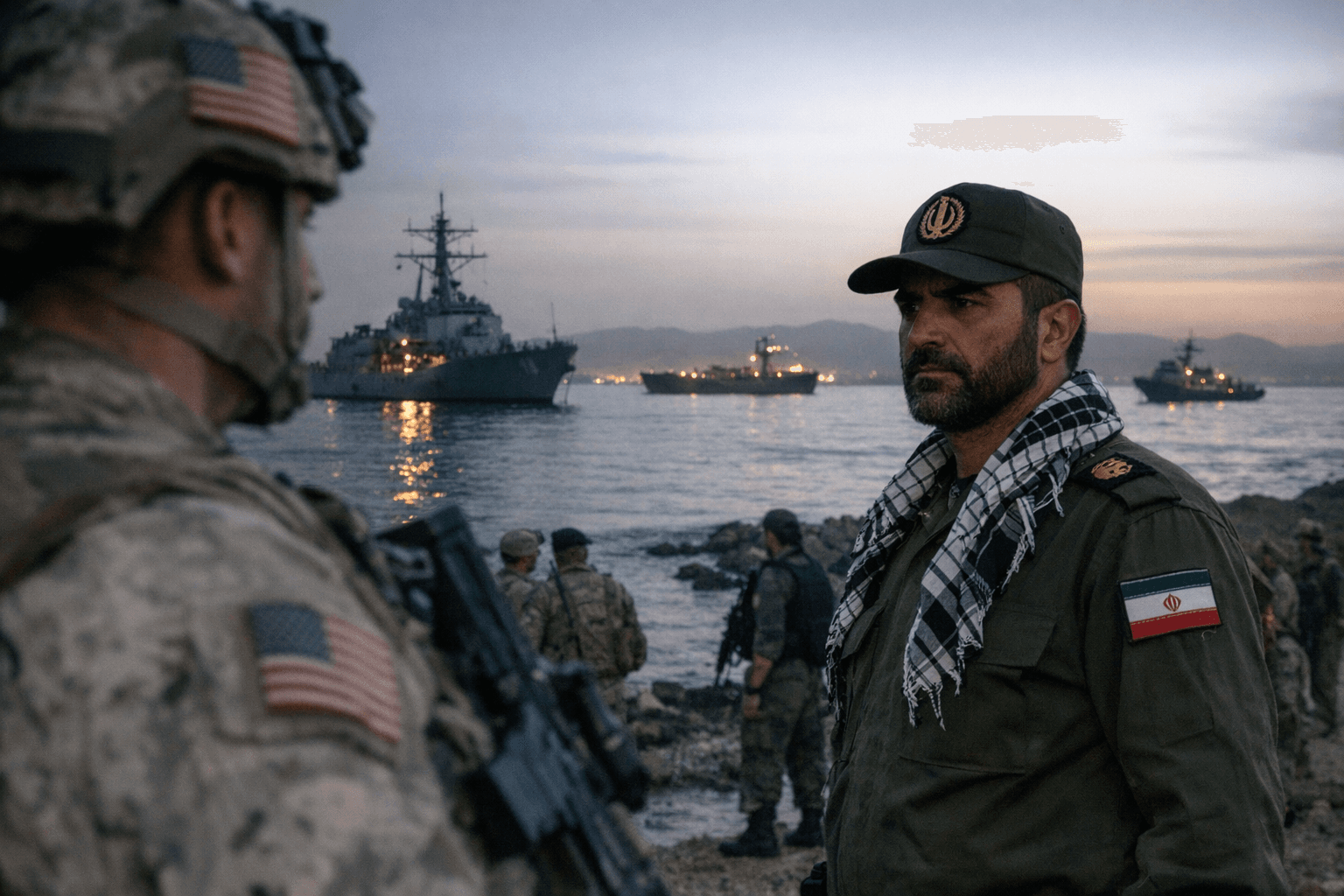
Pakistan and Iran Reach Agreement Despite Historic Tensions Between Nations
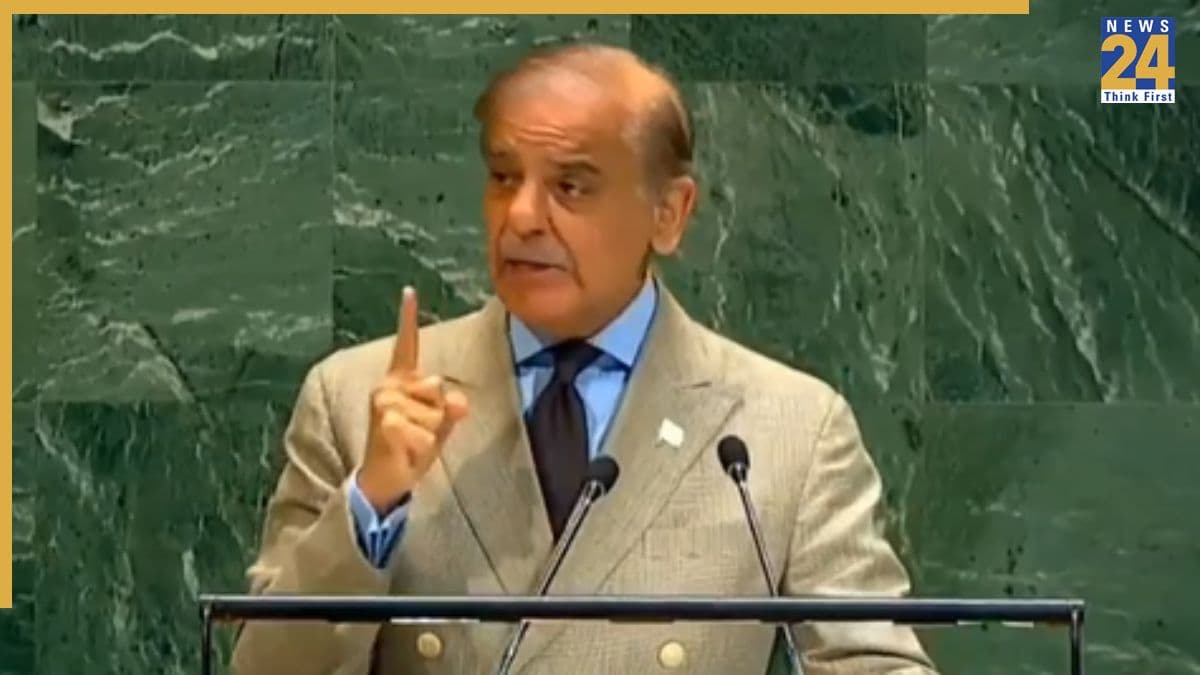
Pakistan brokered a two-week US-Iran ceasefire, with PM Shehbaz Sharif and army chief Asim Munir personally persuading Trump to stand down just hours before a threatened massive strike.
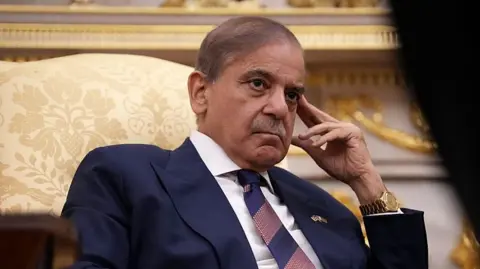
When Donald Trump announced he was suspending attacks on Iran for two weeks on April 7, he made clear who had changed his mind: Pakistan. "Based on conversations with Prime Minister Shehbaz Sharif and Field Marshal Asim Munir, of Pakistan," Trump wrote on Truth Social, he had agreed to hold off military action provided Iran reopened the Strait of Hormuz. Hours later, Sharif announced on X that the United States and Iran, "along with their allies, have agreed to an immediate ceasefire everywhere including Lebanon and elsewhere, EFFECTIVE IMMEDIATELY."
The deal, brokered less than two hours before Trump's 8 p.m. EDT deadline, was neither quick nor simple. Pakistan's diplomatic offensive began weeks earlier, on March 23, when the Pakistani Foreign Office formally offered Islamabad as a venue for US-Iran talks. A week later, on March 31, Pakistan and China jointly issued a five-point proposal calling for a ceasefire and the resumption of normal navigation through the Strait of Hormuz. Pakistan's Foreign Minister Ishaq Dar separately secured a limited arrangement on March 28 allowing 20 Pakistani ships, at a rate of two per day, to transit the strait, which he described as "a harbinger of peace."
The final framework that produced Tuesday's ceasefire was a two-phase structure, tentatively called the "Islamabad Accord," drawn up by Pakistani, Egyptian, and Turkish mediators. Phase one called for an immediate halt to hostilities and the reopening of the Strait. Phase two set a 15 to 20-day window to finalize a comprehensive settlement, one expected to include Iranian commitments on nuclear weapons in exchange for sanctions relief and the release of frozen assets. Iran's Supreme National Security Council confirmed acceptance of the agreement, though Foreign Minister Abbas Araghchi noted that Hormuz transit would proceed "via coordination with Iran's Armed Forces and with due consideration of technical limitations."
Pakistan had real leverage in both directions. With Washington, Islamabad had cultivated influence over the past year by enticing the Trump administration with business deals and arranging a direct meeting between Asim Munir and Trump himself. A crucial trust-building moment came in May 2025, when Trump took credit for brokering a ceasefire in Pakistan's war with India, creating a reciprocal dynamic Islamabad now cashed in. With Tehran, Pakistan holds a different kind of currency: a 900-kilometer shared border, a Shia population estimated at 15 to 20 percent of its citizenry, and decades of managed diplomatic ties.
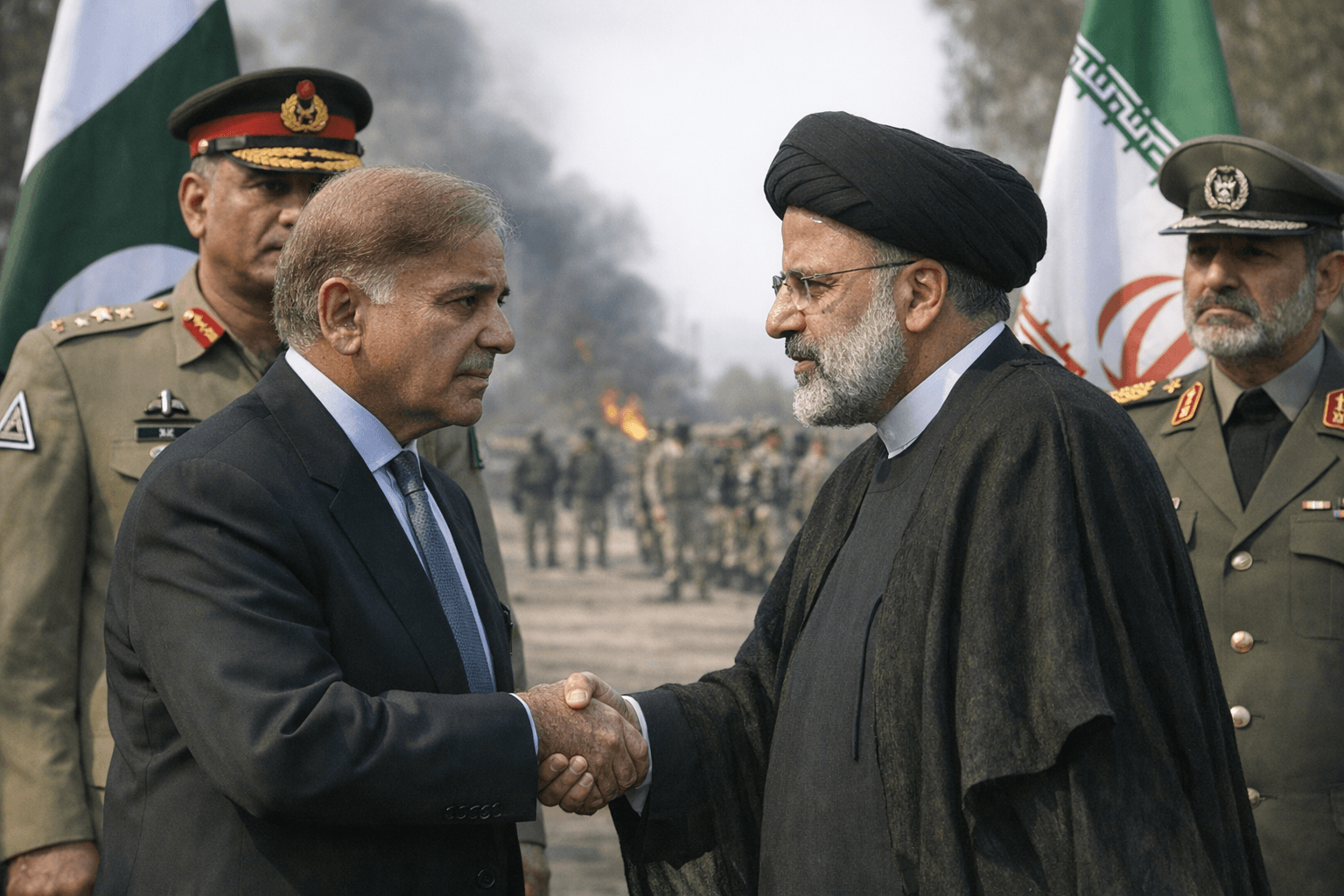
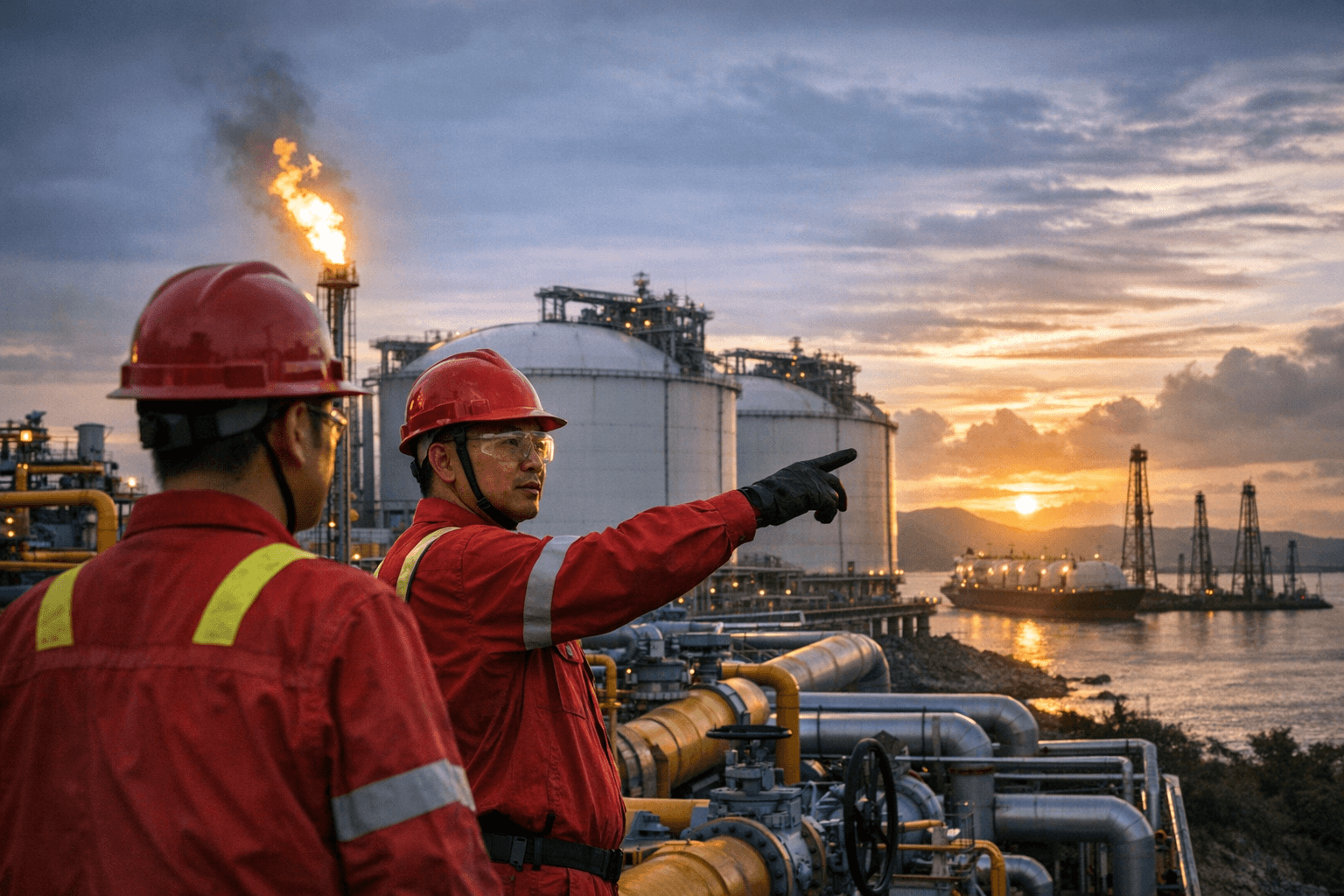
That domestic dimension made inaction unthinkable for Islamabad. When US-Israeli strikes killed Supreme Leader Ayatollah Ali Khamenei on February 28, riots erupted across Pakistan's Shia communities. Security forces killed 11 protesters in Karachi, three in Islamabad, and 13 in Skardu on March 1 alone. The economic shock compounded the political pressure: with oil trading as high as $117 per barrel before the ceasefire was announced, the government had already imposed austerity measures including fuel price hikes and a four-day government work week. Pakistan's interest in ending the war was never abstract.
Defense Minister Khawaja Asif drew a clear line throughout, ruling out any military participation in a campaign against Iran while simultaneously stressing the importance of the US relationship. That careful balancing act is precisely what gave Pakistan a seat at the table no other country could claim.
With both delegations now invited to Islamabad for April 10 talks, the ceasefire's durability will test whether that seat translates into lasting influence. Iran's missiles were still flying toward Israel and Gulf states even after the ceasefire took effect at 8 p.m. ET, a reminder of how fragile the arrangement remains. If it holds, Pakistan consolidates its emergence as a consequential middle-power in a reordered Middle East. If it collapses, Islamabad is left exposed between two powers it cannot afford to alienate.
Sources:
Know something we missed? Have a correction or additional information?
Submit a Tip