Pakistan rejects UN report on civilian deaths in Afghanistan strikes
Pakistan rejected a U.N. finding of 499 civilian deaths in cross-border fighting with Afghanistan, widening a dispute over whether its strikes hit militants or families in Paktia province.

Pakistan’s military rejected a United Nations assessment on July 31 that linked cross-border fighting with Afghanistan to hundreds of civilian deaths, sharpening a dispute over who is being hit in one of South Asia’s most volatile border conflicts.
The United Nations Assistance Mission in Afghanistan said on July 28 that it had documented 499 civilian deaths and 1,216 wounded in fighting between Pakistan and Afghanistan from October 2025 through the end of June 2026. The toll covered Pakistani air raids and ground operations, and earlier Associated Press coverage put the death figure at nearly 500 Afghan civilians since October.
At the center of the clash is a credibility gap. UNAMA’s paper, prepared under its mandate from U.N. Security Council Resolution 2626, provides an international record of casualties in a conflict where access is limited and both sides dispute responsibility. Pakistan, by contrast, has insisted its operations are aimed at armed groups rather than civilians. In a June 9 statement from Pakistan’s mission to the United Nations, Islamabad said it expected the Taliban to take verifiable action against the TTP, BLA, Majeed Brigade, ISIL-K, ETIM and affiliates it says operate from Afghan soil, and argued that its security concerns have been ignored.
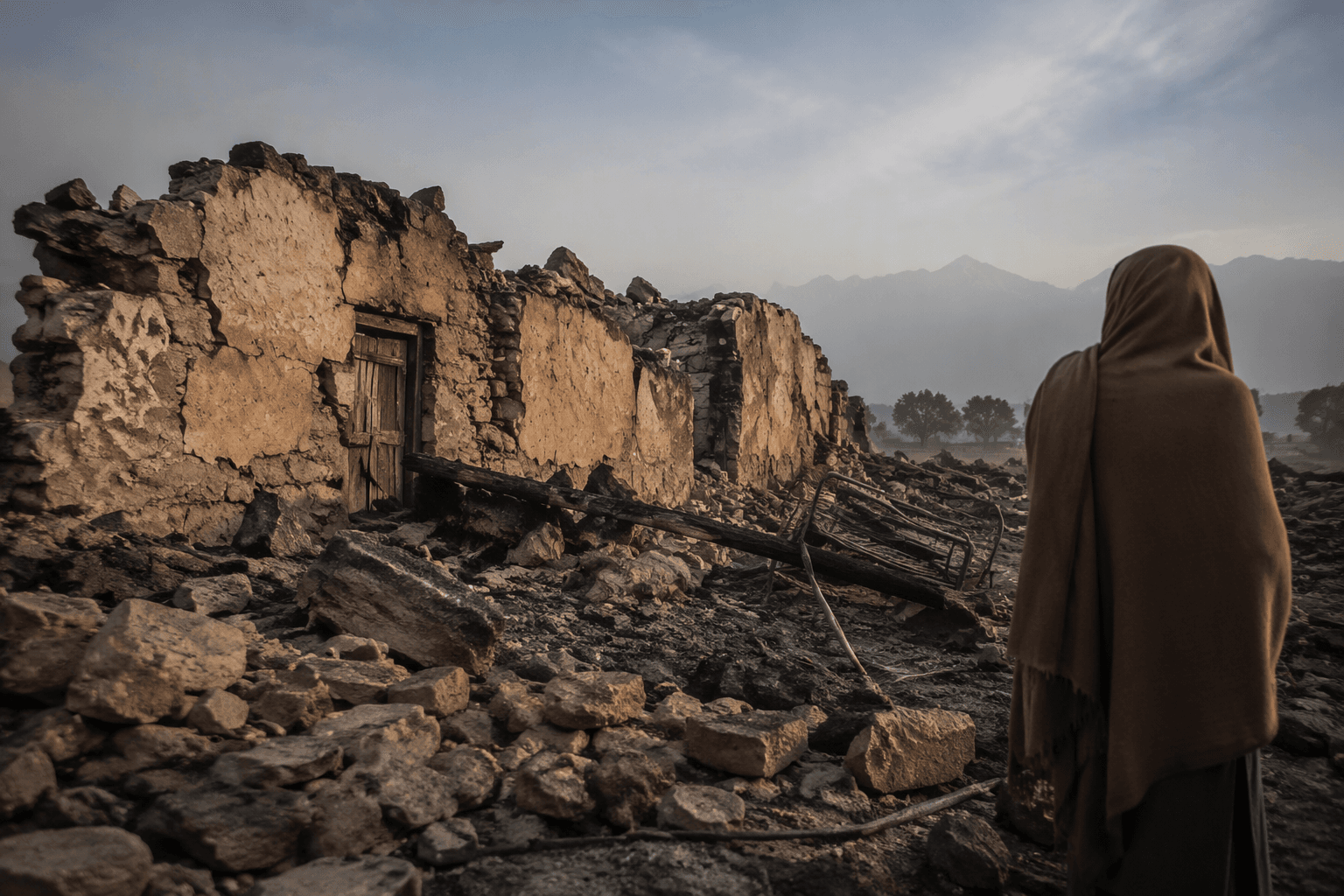
The casualty claims have drawn outside scrutiny. Human Rights Watch said on July 15 that Pakistani strikes in Afghanistan raised civilian casualty concerns, citing rubble from airstrikes in Mandokhail and Chamkani district. One incident highlighted in the coverage came on June 29, when Taliban officials said Pakistani airstrikes killed civilians, including children, in Mandokhail village in Paktia province.
The dispute carries consequences beyond the battlefield. Pakistan and Afghanistan have already been strained by accusations over militant sanctuaries, border management and refugee flows, and disputed civilian death tolls can deepen mistrust on both sides of the frontier. For families in villages like Mandokhail, the argument over numbers is not abstract: it shapes whether deaths are counted as collateral damage, unlawful harm, or evidence of a wider military strategy.
UNAMA’s findings now sit in the middle of that fight over accountability. Pakistan’s rejection may blunt the report’s political impact, but it does not resolve the central question the report raises: whether cross-border operations intended to target militants are also killing civilians in large numbers, and whether either government is prepared to answer for the toll.
This article was produced by Prism’s automated news system from verified source data, official records, and press releases, then run through automated quality and moderation checks before publishing. The system is built and supervised by the people who set the standards it runs under. Read our full AI policy.
Did this article answer your question?