Pakistan says U.S.-Iran peace deal text agreed amid conflicting reports
Pakistan said a final U.S.-Iran peace text was agreed, but Tehran still denied a done deal as key terms on Hormuz and nuclear talks stayed private.
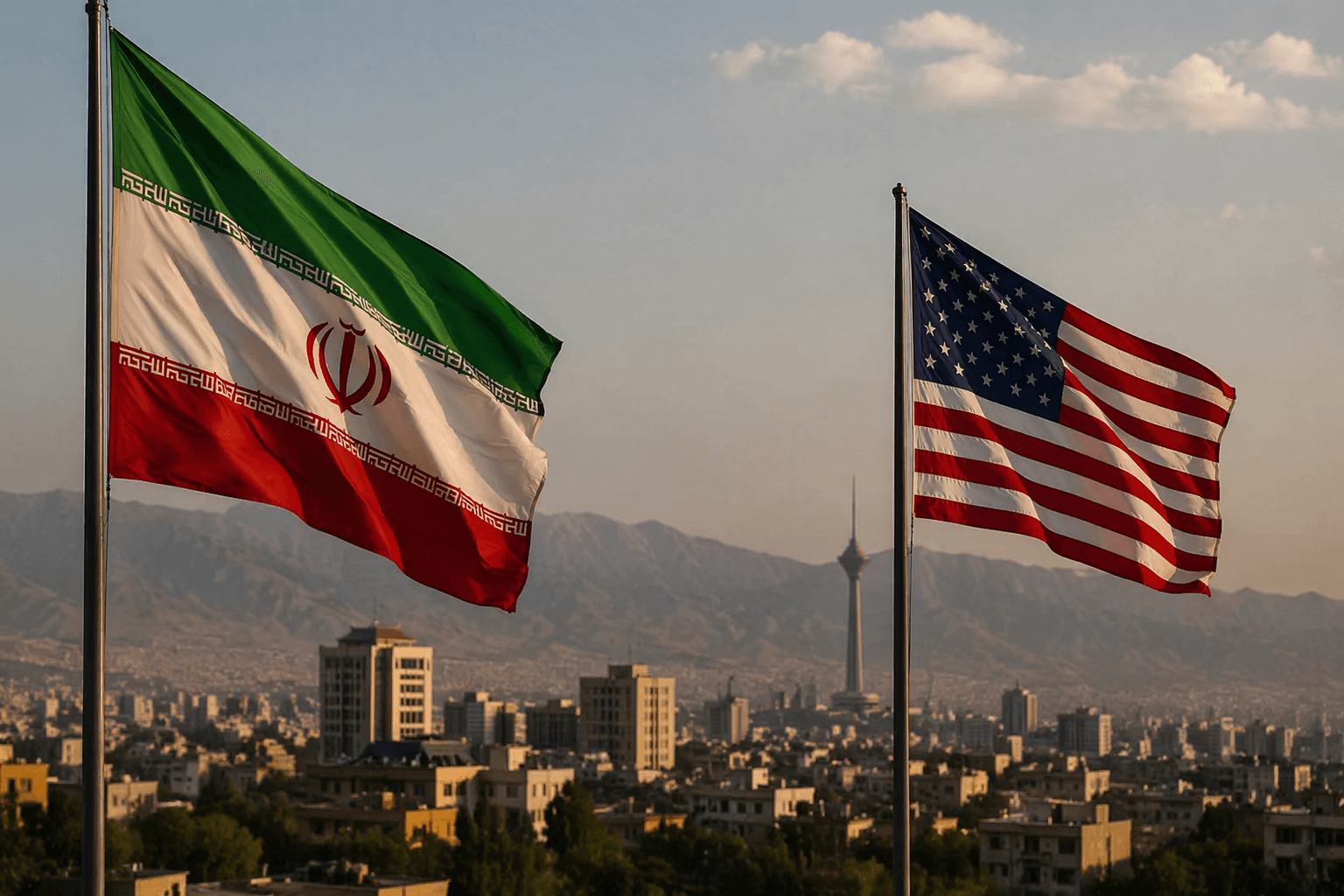
Pakistan said it had helped produce a "final, agreed upon text" of a U.S.-Iran peace deal, even as conflicting accounts from Washington and Tehran left the status of the talks unresolved. The claims added to the uncertainty around a war that has already dragged on for more than three months, with the next phase now hinging on a memorandum whose terms have not been made public.
Prime Minister Shehbaz Sharif said Pakistan was working closely with both sides to finalize the next steps. Iran's foreign minister, Abbas Araghchi, said a deal had "never been closer" and said the details of a memorandum of understanding with the United States would be shared publicly "in due course." Those remarks kept the door open to a breakthrough, while stopping short of declaring one complete.
The framework now circulating in reports centers on a 60-day ceasefire extension. It also reportedly includes reopening the Strait of Hormuz, along with sanctions relief and talks over Iran's enriched uranium and nuclear program. Pakistan has been serving as the mediator between Washington and Tehran, transmitting proposals during the war and helping keep the channel alive after earlier ceasefire arrangements.
The latest push follows a late-May response from Iran to a U.S. proposal delivered through Pakistan. That backchannel diplomacy has become increasingly important as the fighting has continued and each side has tried to shape the endgame without a direct public bargain. The practical stakes are high: any deal that touches the Strait of Hormuz would affect a critical global shipping lane, while sanctions relief and nuclear limits would carry wider political and economic consequences.
Still, the public messaging has not lined up. Reports from Washington said President Donald Trump had claimed the United States had "just made a great settlement of the war with Iran," but only subject to finalization of documents. Other reports said Iranian officials denied that any final agreement had been reached, underscoring the gap between a tentative text and an actually signed accord.
That gap now defines the story. Until the memorandum is released, the main questions are whether the ceasefire extension is locked in, whether the Strait of Hormuz will reopen, and whether Iran's nuclear file and enriched uranium stockpile are truly part of the agreement or still subject to hard bargaining.
This article was produced by Prism’s automated news system from verified source data, official records, and press releases, then run through automated quality and moderation checks before publishing. The system is built and supervised by the people who set the standards it runs under. Read our full AI policy.
Know something we missed? Have a correction or additional information?
Submit a Tip