Pakistan will not take field vs India; ICC opens back-channel talks
Pakistan's government barred its team from the Feb 15 India match while approving travel to Sri Lanka; the ICC has launched back-channel talks to avert a tournament crisis.
The government of Pakistan announced that its men's cricket team "shall not take the field in the match scheduled on 15th February 2026 against India," even as it granted permission for the squad to travel to Sri Lanka for the T20 World Cup. The full text of the government post reproduced by ESPN read: "The Government of the Islamic Republic of Pakistan grants approval to the Pakistan Cricket Team to participate in the ICC World T20 2026, however, the Pakistan Cricket Team shall not take the field in the match scheduled on 15th February 2026 against India."
The declaration has thrust the tournament into an acute diplomatic and sporting crisis less than two weeks before the scheduled Group A encounter in Colombo. Tournament organizers have opened back-channel talks with Pakistani authorities and the Pakistan Cricket Board, urging officials to "explore a mutually acceptable resolution" that "protects the interests of all stakeholders," a formulation reported by NBC.
Prime Minister Shehbaz Sharif later confirmed the government position in remarks reported by Al Jazeera, framing the decision as an act of solidarity with Bangladesh. Sharif said, "We have taken a very clear stand that we will not play the match against India," and added that "Pakistan believes that this is sport, not politics, and there should be no politics in sport." The prime minister's comments followed Bangladesh's withdrawal from the tournament, which officials and media have linked to safety concerns about travel to India and, according to Al Jazeera, to the recent expulsion of a Bangladeshi player from the Indian Premier League on directives attributed to the BCCI.
For players and boards, the announcement creates immediate logistical and regulatory questions. ESPN reported that, at the time of its article, the Pakistan Cricket Board had not yet written to the International Cricket Council to formally notify it of a boycott. Pakistan had already named a 20-player squad for the tournament and been given permission by the government to travel to Sri Lanka, underlining the selective nature of the restriction.
Captain Salman Ali Agha made clear the team would follow instructions from authorities, telling reporters after Pakistan's recent 3-0 T20 series win over Australia: "It's not our decision. We can't do anything about it," and "We will do whatever our government and the (PCB) chairman say." That stance places players between competing obligations to their sport, their board, and their government.
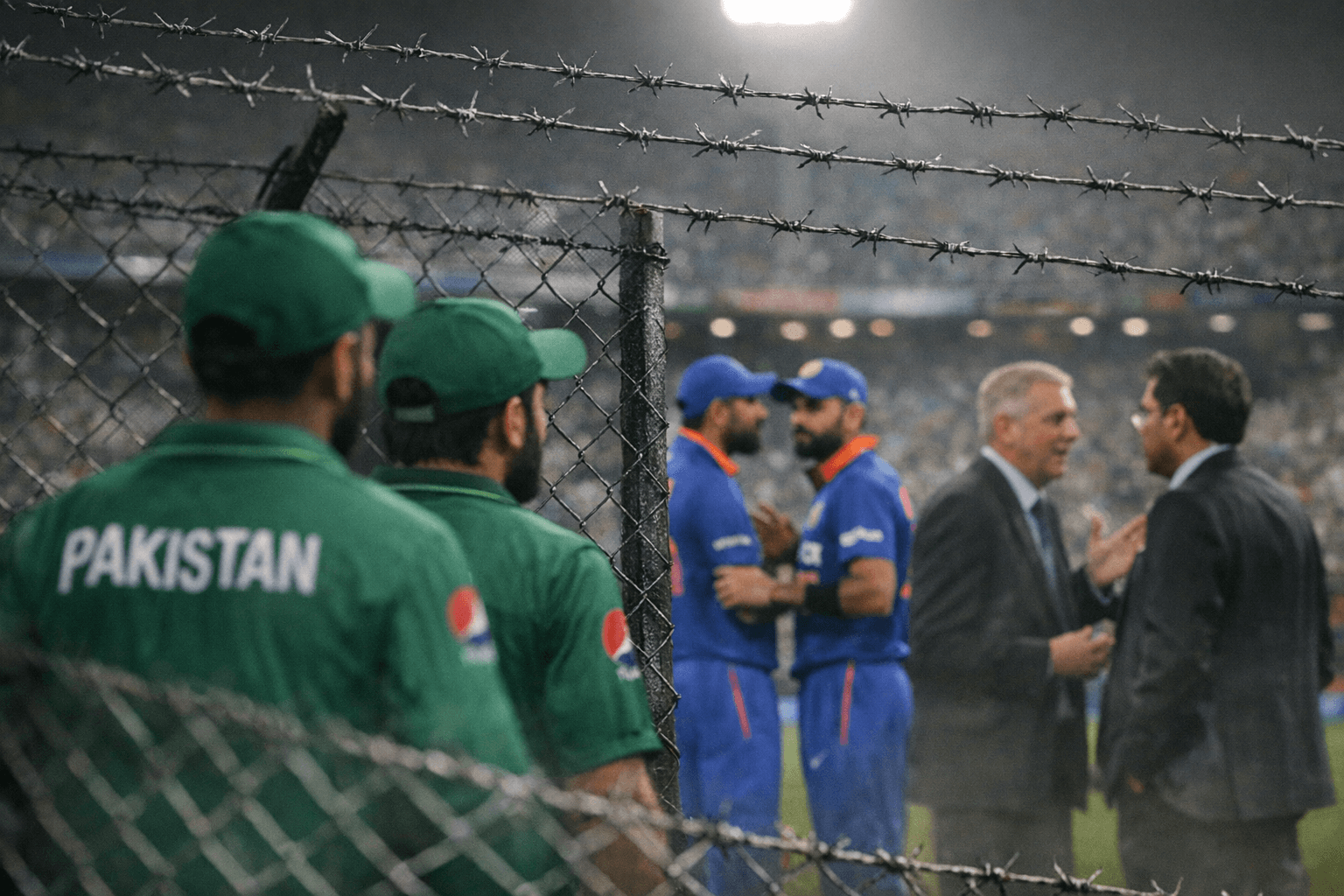
The wider context is fraught. Bilateral cricket between India and Pakistan has been suspended for years; the sides have not met outside of major ICC tournaments since 2013 and India has not toured Pakistan since 2008. An agreement signed last year requires neighbours to play at neutral venues when one hosts an ICC event, explaining why the match was scheduled in Colombo. Still, the refusal to appear would mark the first absence of an India-Pakistan group-stage meeting at a major ICC tournament in 14 years and could carry consequences under tournament regulations, though officials have not yet outlined penalties or next steps.
Organizers face practical choices: award a forfeit, reschedule, or leave the fixture unresolved with implications for group standings and broadcasting rights. The ICC’s appeal for a negotiated outcome signals that officials hope to avoid a high-profile ruling that would reverberate across sport, diplomacy, and commercial contracts tied to one of cricket's most valuable fixtures.
As of now, the situation remains fluid. Key unanswered questions include whether the PCB has formally notified the ICC in writing, whether the boycott would apply to potential knockout meetings, and what disciplinary measures the ICC might pursue. Organizers, broadcasters and sponsors will be watching closely as back-channel diplomacy unfolds in the coming days.
This article was produced by Prism’s automated news system from verified source data, official records, and press releases, then run through automated quality and moderation checks before publishing. The system is built and supervised by the people who set the standards it runs under. Read our full AI policy.
Did this article answer your question?
.jpg&w=1920&q=75)