Pakistan’s Munir meets Iranian leaders as U.S.-Iran deal advances
Pakistan’s army chief met Iran’s top leaders as Washington said a deal was nearing, putting Islamabad at the center of talks that could reshape Gulf shipping and border security.

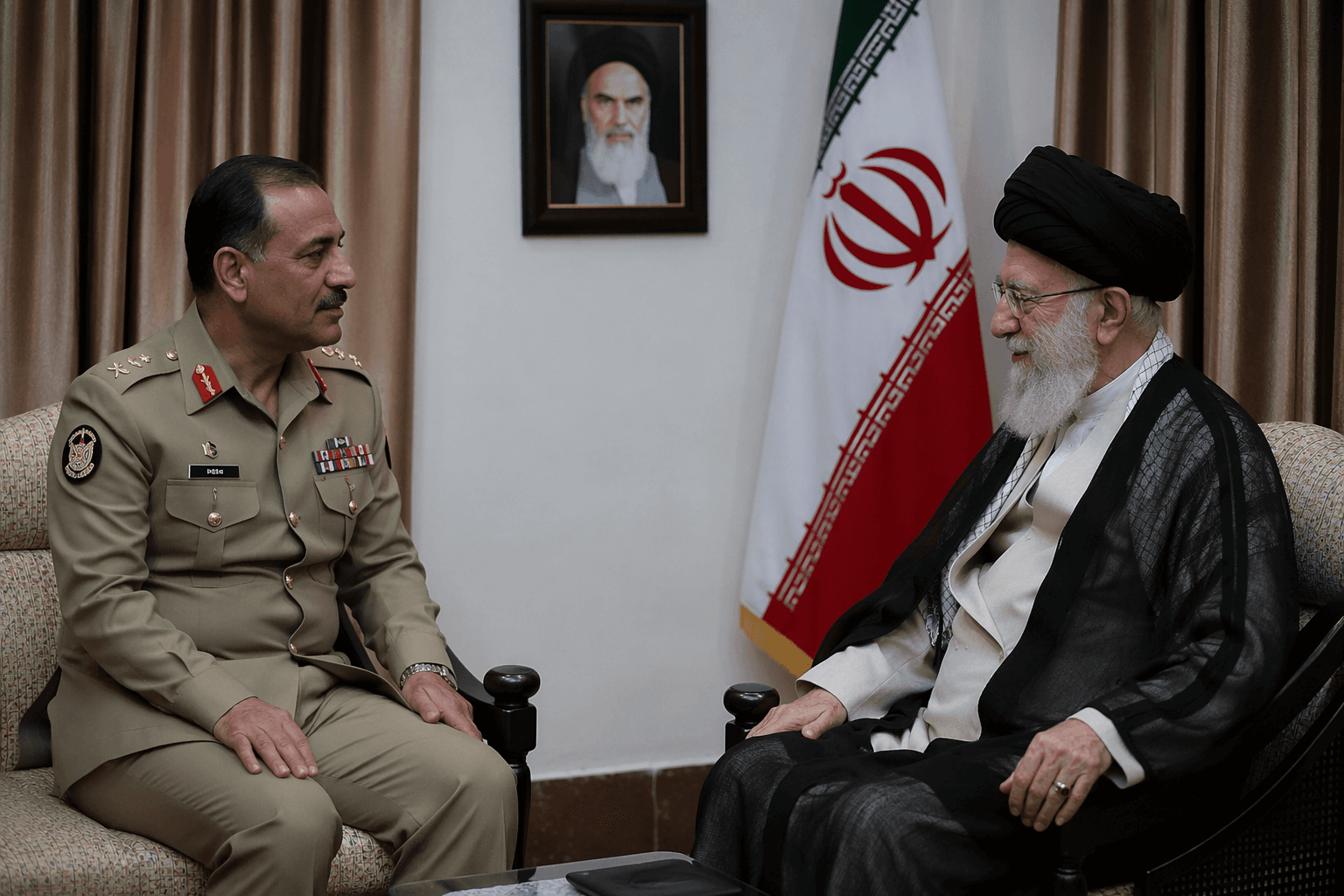
Pakistan’s army chief met Iran’s top leadership in Tehran as Washington and Tehran edged closer to a deal that could reopen the Strait of Hormuz, underscoring how Islamabad has become a crucial go-between in talks that affect border security, Gulf shipping and regional signaling.
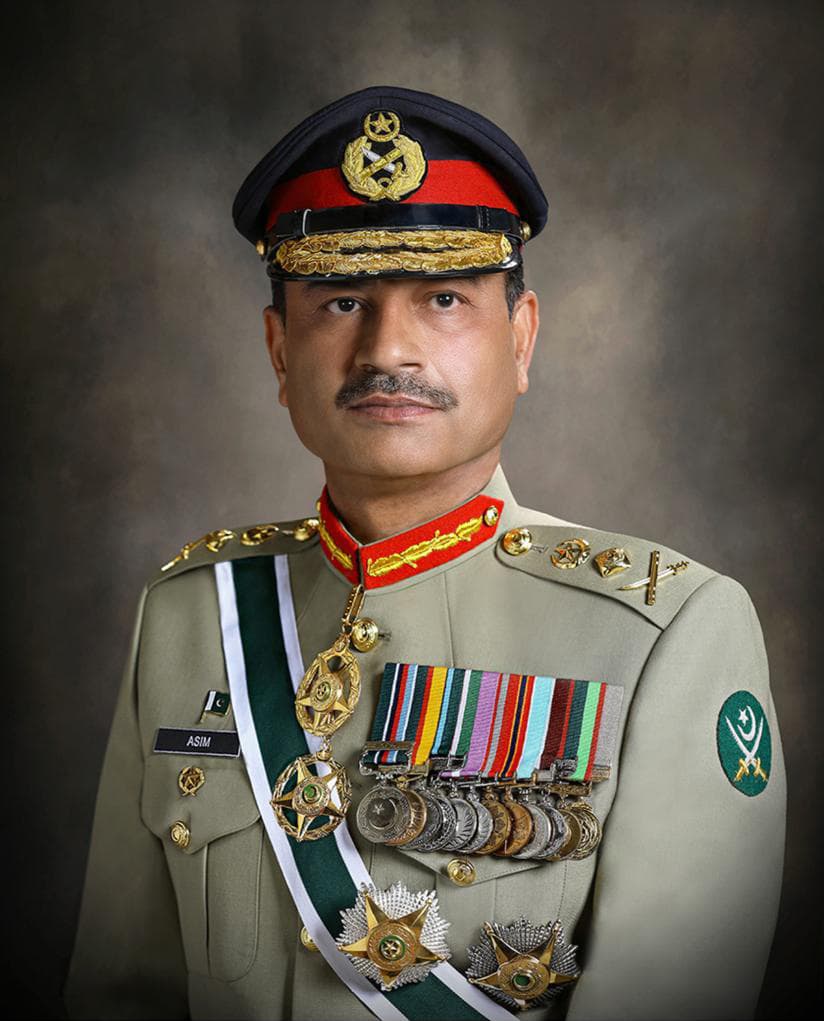
Field Marshal Asim Munir held meetings on Saturday with President Masoud Pezeshkian, Parliament Speaker Mohammad Baqer Qalibaf and Foreign Minister Abbas Araghchi. Pakistan’s military called the visit “highly productive” and said “encouraging progress” had been made toward a final understanding, while Iranian officials said the discussions covered bilateral ties, regional developments and peace, stability and security in West Asia.
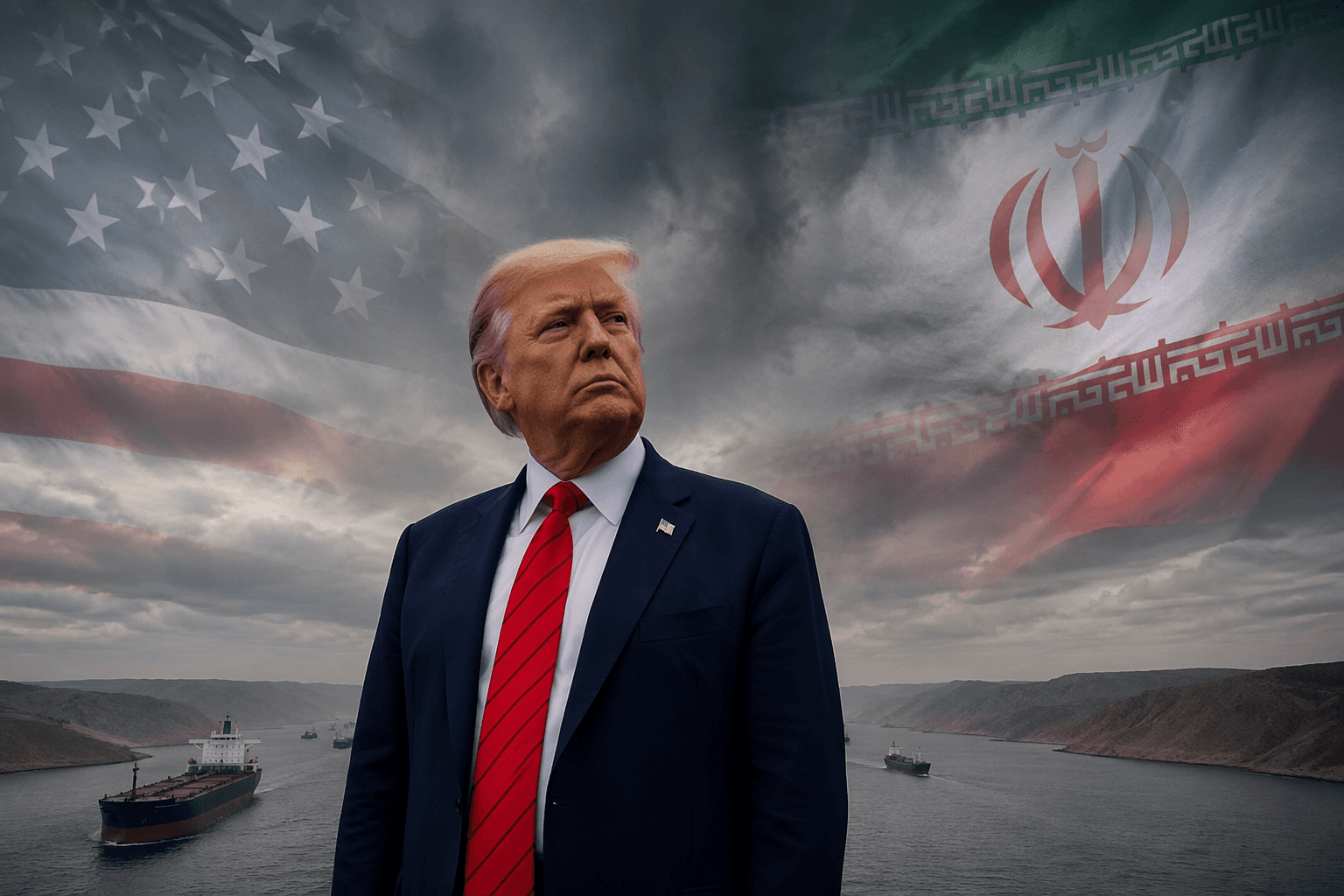
The visit landed as Donald Trump said on Truth Social that a peace deal with Iran was “largely negotiated” and that final details were still being discussed. Trump said the agreement would include reopening the Strait of Hormuz, a chokepoint through which a large share of the world’s oil trade flows and one whose stability matters deeply to Pakistan’s economy, energy imports and broader security interests.
Even with that momentum, major gaps remained. It was still unclear whether any agreement would place limits on Iran’s nuclear program, missile development or regional proxy activity. Marco Rubio said on Thursday that there had been “slight progress” in talks, and CBS News reported earlier this week that Trump had called off a scheduled attack on Iran because “serious negotiations” were underway.
Iran has also signaled resistance to U.S. pressure. Its mission to the United Nations accused Washington of making “excessive demands” that could push talks toward collapse. Qalibaf told Munir that Iran did not trust the U.S. and would not compromise on its national rights. Iran’s foreign ministry said it was drafting a 14-point memorandum of understanding and expected the details to be discussed over 30 to 60 days.
Pakistan’s role matters because it sits between a volatile border with Iran and the wider Gulf corridor, where any shift in the Strait of Hormuz reverberates quickly through shipping lanes, fuel markets and regional defense planning. Reuters-linked reporting said Iran and Pakistan had already submitted a revised proposal to the U.S. to end the war and reopen the strait, with a U.S. response expected soon.
Munir’s Tehran trip was his second in five weeks, a sign that Islamabad is trying to keep a channel open as the ceasefire remains fragile. Whether that produces a parallel track of pressure or support around any U.S.-Iran arrangement may now depend on whether the regional players can turn diplomatic signaling into a workable deal.
Know something we missed? Have a correction or additional information?
Submit a Tip