Palestinian delegation drops U.N. bid after U.S. visa threat
Washington’s visa threat pushed the Palestinian delegation to drop a U.N. bid, exposing how U.S. leverage can sway multilateral contests.

The Palestinian delegation at the United Nations dropped its bid for a vice president slot in the General Assembly after the United States threatened to revoke visas, a rare use of consular power that reached deep into the machinery of the world body. Riyad Mansour, the Palestinian ambassador to the U.N., was at the center of the dispute.
A State Department cable dated May 19 warned U.S. diplomats in Jerusalem to press Palestinian officials to withdraw the candidacy or face possible consequences, including visa revocation. Marked sensitive but unclassified, the cable argued that Mansour had a record of accusing Israel of genocide, said the bid would “fuel tension,” and claimed it would undermine President Donald Trump’s Gaza peace plan.
The pressure worked. A person familiar with the matter said the Palestinian delegation relayed through an Arab country that Mansour would refrain from running for a vice president position for the coming two years. The U.S. State Department did not immediately comment, and the office of Palestinian Authority President Mahmoud Abbas declined comment.
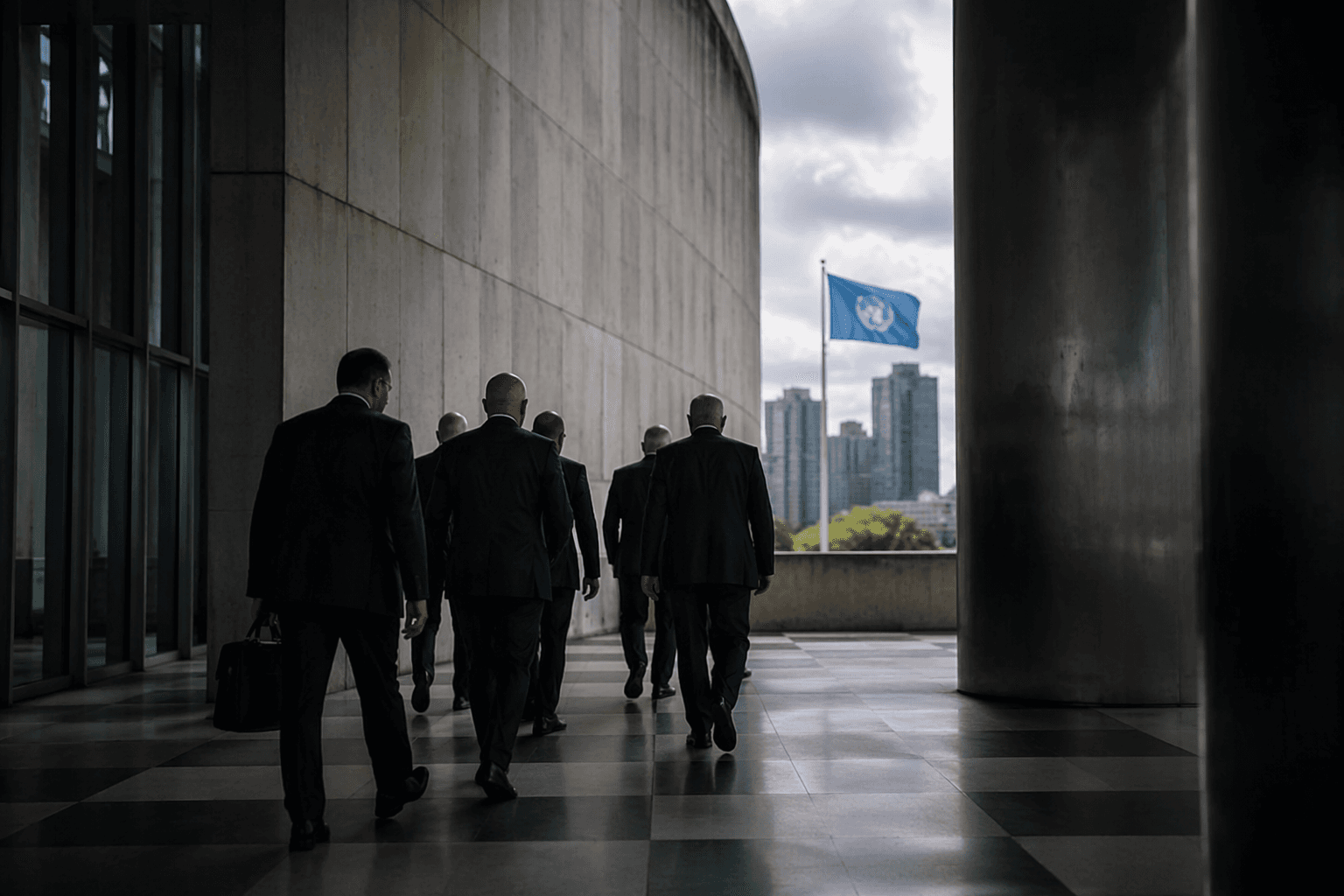
The fight mattered because the vice president posts are not ceremonial window dressing. The United Nations General Assembly’s General Committee is made up of the Assembly president, 21 vice presidents and the chairs of the six main committees. Those vice presidents help shape how the Assembly’s work is organized, even if the role does not carry voting power of its own. The U.N. says the vice presidents are elected after the chairs of the six main committees, in a process meant to preserve the representative character of the committee.
The timing sharpened the stakes. The election of the president of the 81st session of the General Assembly is scheduled for June 2 in New York, and the incoming session will also select vice presidents under the Assembly’s regional rotation rules. That meant the Palestinian bid was not just about a title, but about a seat inside the room where the Assembly’s agenda is set.
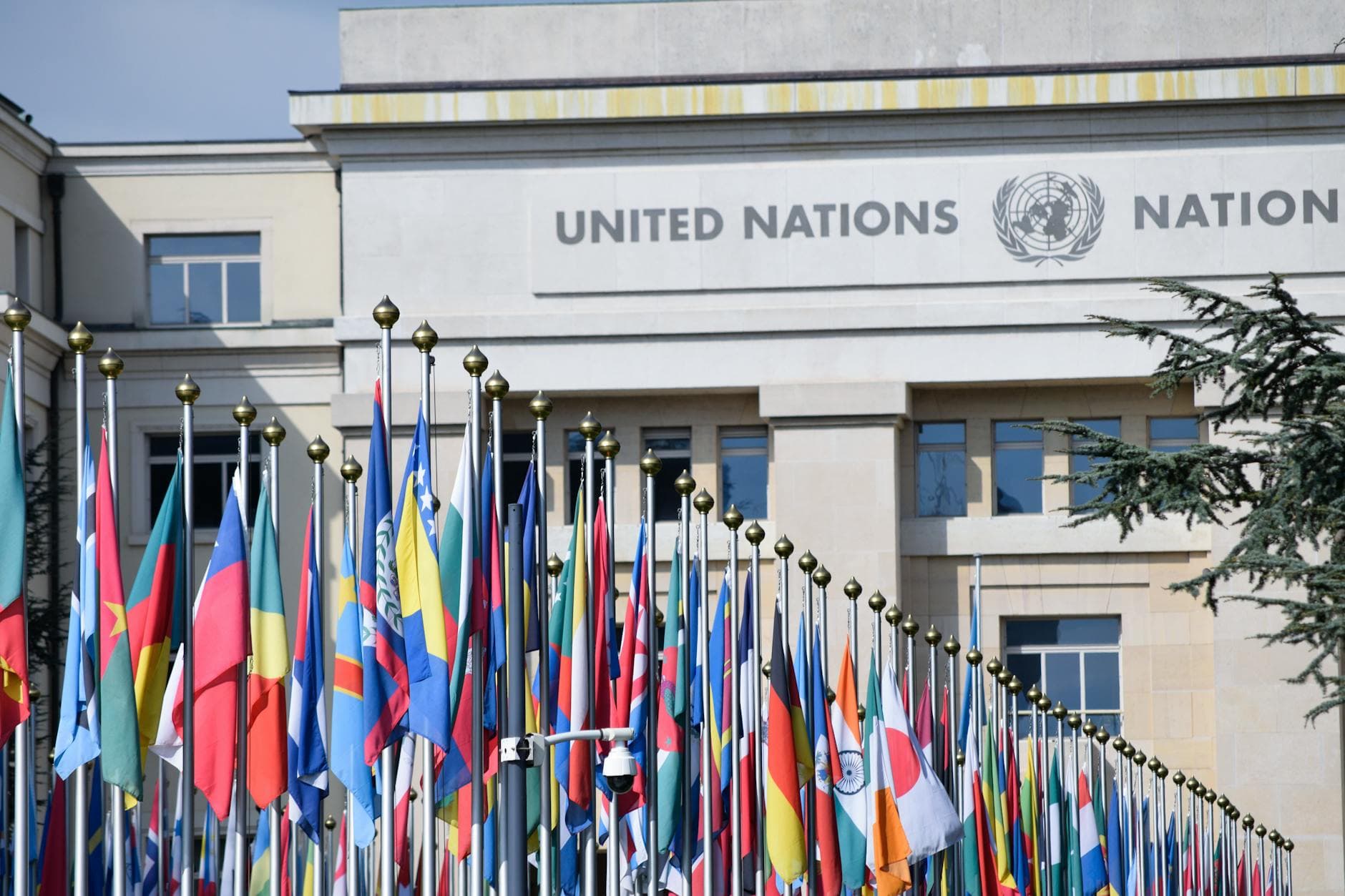
The episode also fit a broader pattern of U.S. pressure on Palestinian U.N. participation. In September 2025, the Trump administration took the unusual step of denying U.S. visas to top Palestinian officials, including Abbas, before later waiving visa sanctions for officials assigned to the PLO’s U.N. observer mission in New York. Former senior State Department official Hady Amr said using visa restrictions this way is “extremely rare and counterproductive,” underscoring how Washington’s leverage can shape supposedly multilateral contests well beyond one Palestinian candidacy.
Know something we missed? Have a correction or additional information?
Submit a Tip