Pam Bondi faces House questions on Epstein investigation handling
Lawmakers pressed Pam Bondi over Epstein file handling and redactions. The closed-door session could pin down who knew what, but not show the public everything.
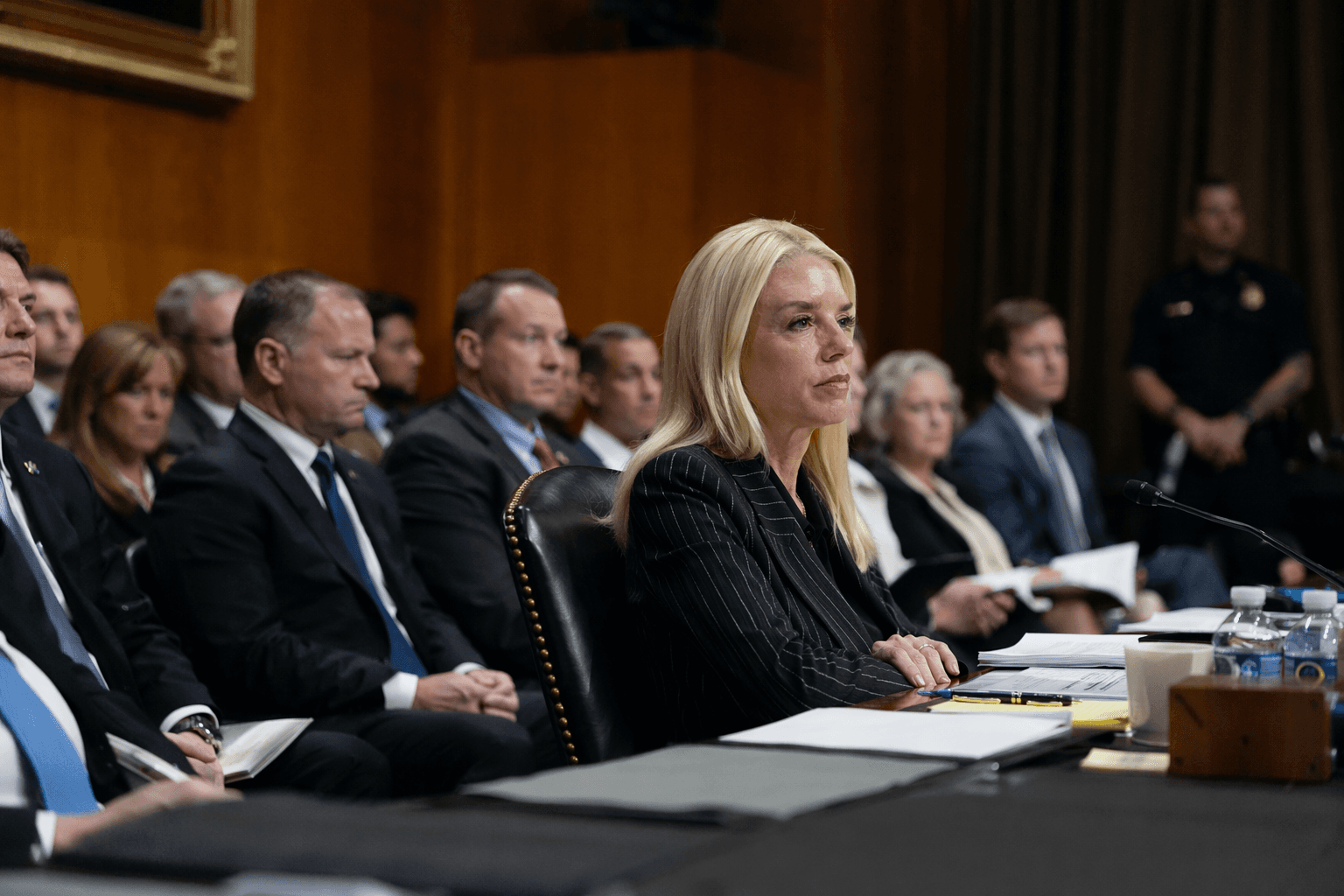
Pam Bondi’s turn before House investigators became less about a single disgraced financier than about whether the Justice Department handled Jeffrey Epstein’s records with discipline, transparency and fidelity to law. The House Oversight Committee subpoenaed the former attorney general for a closed-door deposition on March 4, 2026, after lawmakers said they wanted answers on the department’s handling of the Epstein investigation and its compliance with the Epstein Files Transparency Act.
That law, signed on November 19, 2025, required the attorney general to release Justice Department records related to Epstein. On January 30, 2026, the Justice Department said it had published more than 3 million additional pages, bringing the total to nearly 3.5 million pages. Even with that volume, House Democrats said the department’s redactions may have gone beyond the narrow exemptions allowed by the statute, and they accused Bondi and the department of withholding material tied to powerful people connected to Epstein’s crimes.
The committee’s demand for Bondi’s testimony reflected unusual bipartisan pressure. Five Republicans joined Democrats in the March 4 vote to compel her appearance, a signal that the fight over the files had moved from partisan noise to institutional accountability. The deposition had originally been set for April 14, 2026, but Bondi did not appear. Democrats later moved to hold her in civil contempt of Congress after she skipped the scheduled testimony.
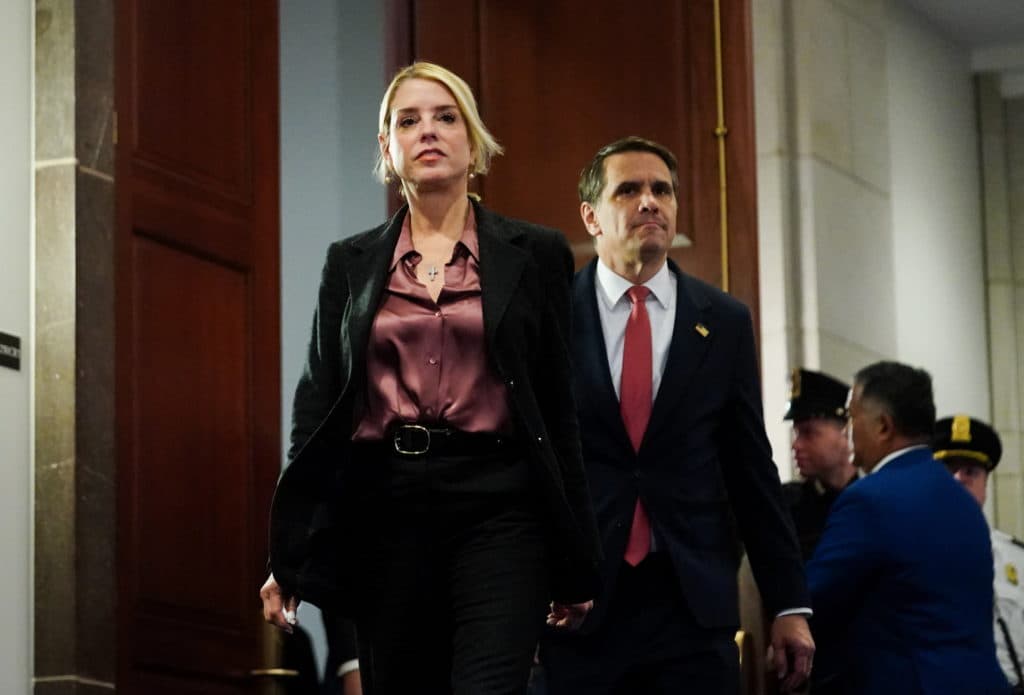
A closed-door deposition can still matter a great deal. Lawmakers can ask who approved redactions, who reviewed records, what guidance the department used, and whether anyone inside the Justice Department or White House influenced decisions on what to release. It can preserve testimony under oath and expose contradictions later. What it cannot do is show the public the exchange in real time, which means the most consequential details may remain hidden unless members choose to release transcripts, summaries or exhibits.

The stakes remain high because Epstein’s case has long carried the weight of institutional failure. He was convicted in Florida in 2008, then arrested again in 2019 on federal sex-trafficking charges before he died by suicide in jail on August 10, 2019, according to an FBI memo cited by the Justice Department. The department’s Epstein Library says it contains material responsive to the transparency law and warns that some records include descriptions of sexual assault, a reminder that the files are not abstract paperwork but evidence tied to abuse survivors and their families. Oversight Democrats, including Robert Garcia and Summer Lee, have said the handling of the files has been insensitive and retraumatizing, and their central question now is whether Bondi and the department followed the law or protected politically connected figures from the full record.
This article was produced by Prism’s automated news system from verified source data, official records, and press releases, then run through automated quality and moderation checks before publishing. The system is built and supervised by the people who set the standards it runs under. Read our full AI policy.
Did this article answer your question?

