Pampers refreshes baby shower checklist for flexible, organized celebrations
Pampers’ refreshed checklist turns baby shower planning into a calmer workflow, with clear decisions on guests, timing, food, gifts, and cost-sharing.
A planning tool built to cut the chaos
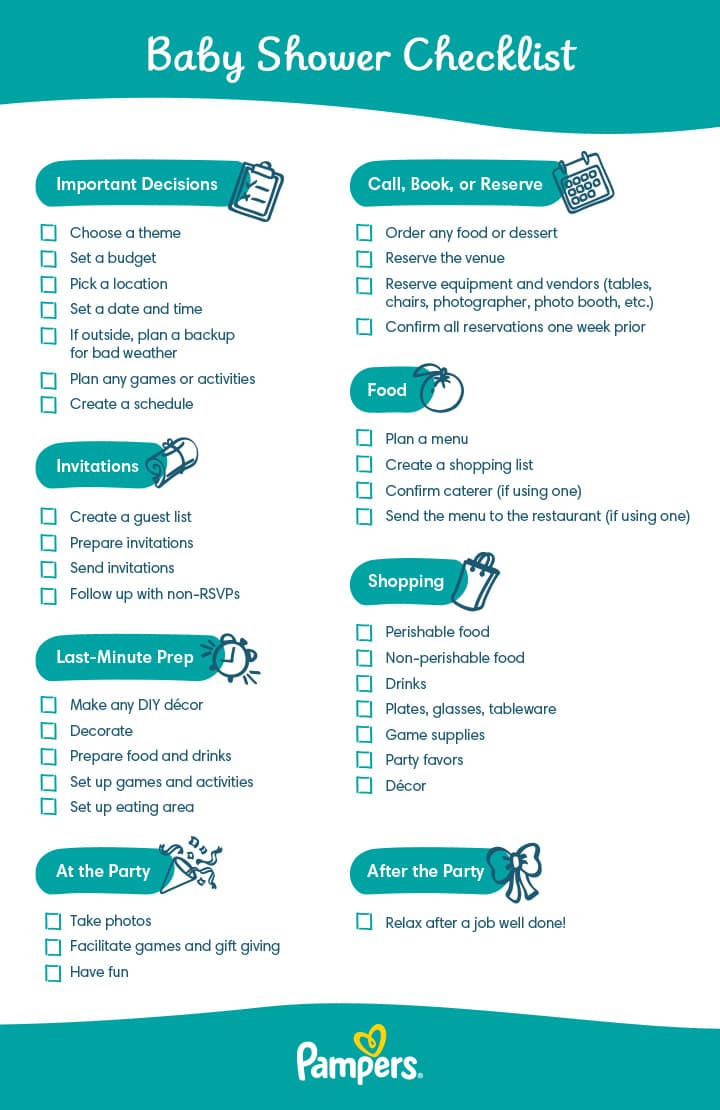
Pampers’ updated baby shower checklist turns a familiar celebration into a manageable plan. The point is simple: define the basics early, then use the checklist to keep the party from drifting into overspending, missed details, or last-minute confusion.
That practical framing matters because the baby shower has always been both social and logistical. Pampers says the tradition dates to the nineteenth century, when it evolved from the bridal shower custom of showering the guest of honor with gifts. Britannica places baby showers in a wider family of life-cycle ceremonies found in all societies, which explains why the event keeps adapting while still serving the same core purpose: marking a major transition with support.
Start with the non-negotiables
The first decisions are the ones that shape everything else: who the shower is for, who is planning it, and when it should happen. Pampers notes that showers can be held before or after birth, depending on what the parents-to-be prefer, and that flexibility is part of what makes the modern version so workable.
The checklist also reflects a broader shift in hosting culture. Babylist says baby showers became popular in the United States in the late 1940s, but the old rules have loosened dramatically. Today, the parent-to-be can host, friends and family can co-host, and the format can be tailored to the people involved rather than forced into a single template.
Build the guest list before you build the menu
The guest list is one of the most decision-heavy parts of the process because it sets the tone, the cost, and the size of the day. A smaller shower can feel intimate and easy to manage, while a larger gathering changes everything from seating to food volume to game setup. Pampers’ checklist is built to help hosts avoid overlooking those details, which is exactly where stress usually starts.
A good planning sequence is straightforward:
1. Confirm the parent-to-be’s preferences.
2. Decide whether the shower will happen before or after birth.
3. Set the guest list around the kind of gathering you want to host.
4. Match the venue, food, and activities to that size.
That order keeps the event grounded. It also keeps the host from spending money on a room, a spread, or decorations that do not fit the actual gathering.
Budgeting is part of the etiquette now
Pampers says the host typically pays, though family members, colleagues, or close friends often share the cost. That detail is important because it reflects how collaborative baby showers have become. The old assumption that one person absorbs every expense no longer fits many modern celebrations.
Shared costs can make the difference between a manageable event and a stressful one. They also give hosts more room to spend where it matters, whether that means food, a better venue, or a more thoughtful registry setup. In practice, the budget should be set before the invitations go out, because the guest count and the spending plan should be tied together from the start.
Food, games, and gifts need a timeline, not guesses
Pampers also treats the shower as a day that runs on a clear timeline. The typical flow includes arrival, food, gifts, and activities, and that structure helps the event feel intentional instead of improvised. If the party is not paced well, even a small gathering can feel scattered.
Food is typically served, and games may be included, but neither should be added as an afterthought. A menu that is easy to serve and a few activities that fit the group keep the day moving. The same is true for gift opening, which should be coordinated with the rest of the schedule so the event does not stall or run long.

A simple planning sequence helps:
- Reserve time for guests to arrive and settle in.
- Serve food before the energy drops.
- Slot in games or activities while attention is high.
- Coordinate gift opening so it fits naturally into the afternoon.
That kind of structure is what turns a shower from a loose gathering into a smooth event.
Registry coordination is where utility meets celebration
The registry is not just a shopping list. It is one of the main tools that keeps the shower useful for the parent-to-be and clear for the guests. Pampers’ checklist approach fits the larger consumer reality around pregnancy and infant care, where guests often want guidance on what will actually help.
This is also where the event’s practical side comes through most clearly. Parents-to-be can shape the registry around what they need, and hosts can use that information to keep the celebration focused. When the registry is handled early, it reduces confusion, avoids duplicate gifts, and makes the day feel organized from the start.
Why flexible formats are now the norm
The modern baby shower is less rigid than the version many people remember. Babylist says 91% of surveyed parents were involved in planning their shower to some degree, and 25% hosted their own without help. That lines up with Pampers’ message that self-hosted and co-hosted showers are now normal choices, not exceptions.
The shift is not just about etiquette. It is about practical reality. Parents often want more control over timing, cost, and guest list, and the planning model has adjusted accordingly. As a result, the checklist now supports a wider range of celebrations, from traditional gatherings to more informal family-led events.
Why the timing feels relevant now
The broader family context helps explain why this kind of planning guide has traction. The Centers for Disease Control and Prevention reported 3,606,400 provisional U.S. births in 2025, down 1% from 2024, along with a general fertility rate of 53.1 births per 1,000 females ages 15 to 44. Those numbers do not change shower etiquette on their own, but they do underscore the scale of the audience planning for babies and baby-related purchases.
Pew Research Center’s survey of 3,757 U.S. parents adds another layer: parenting is often stressful and emotionally demanding, with many parents worried about issues like anxiety, depression, and bullying. That makes a clear checklist more than a convenience. It becomes a stress-reduction tool for a life stage that already carries enough pressure.
A more organized kind of celebration
Pampers’ refreshed checklist captures where baby showers have landed in 2026: still celebratory, but much more flexible, collaborative, and logistics-driven than the old script suggested. The best planning now starts with the parent-to-be’s preferences, then moves through guest list, timing, food, gifts, and budget in a deliberate order.
That shift is the real takeaway. When hosts treat the shower like a structured event instead of a loose tradition, the result is usually calmer, more personal, and far less likely to spiral into waste or chaos.
Know something we missed? Have a correction or additional information?
Submit a Tip