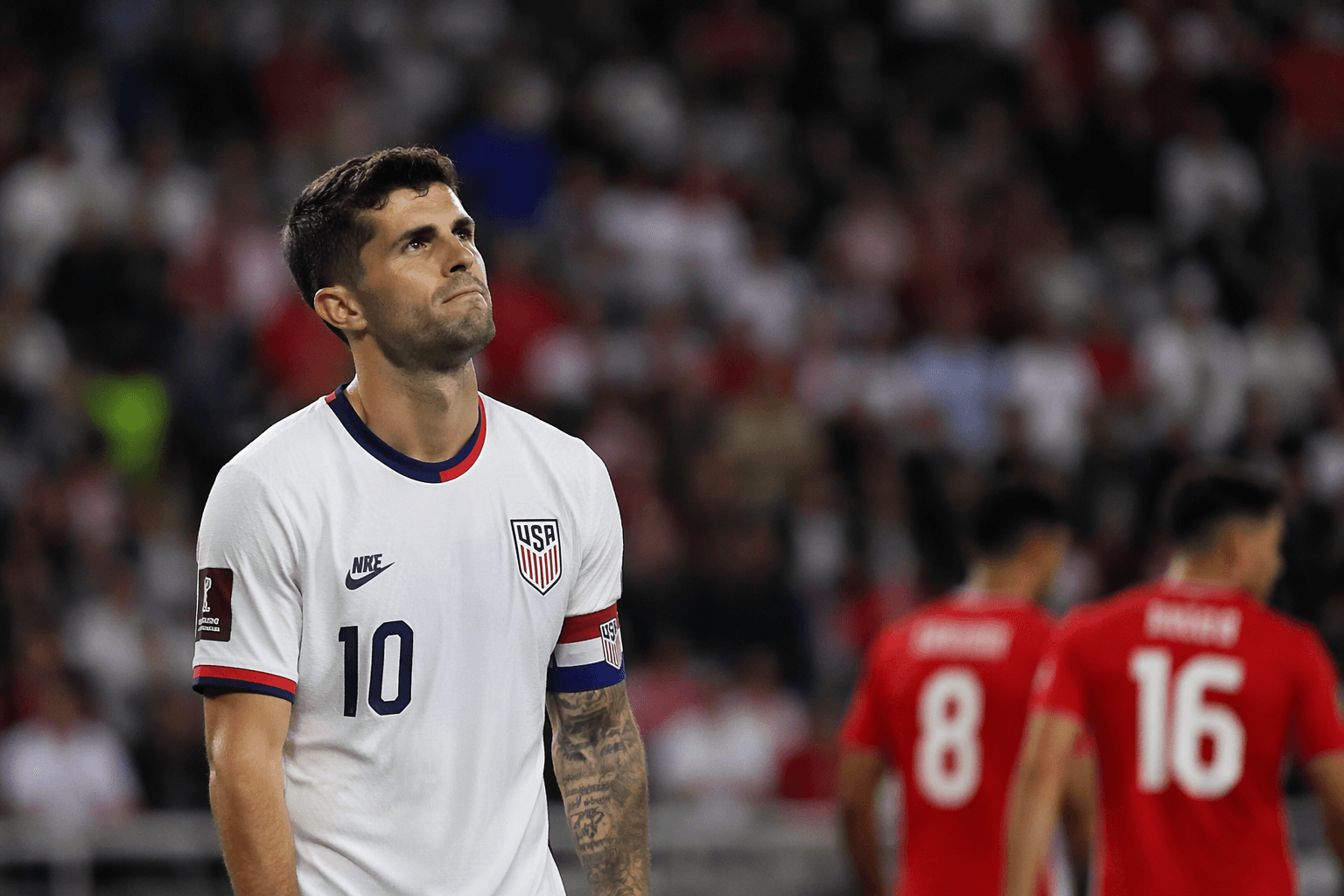
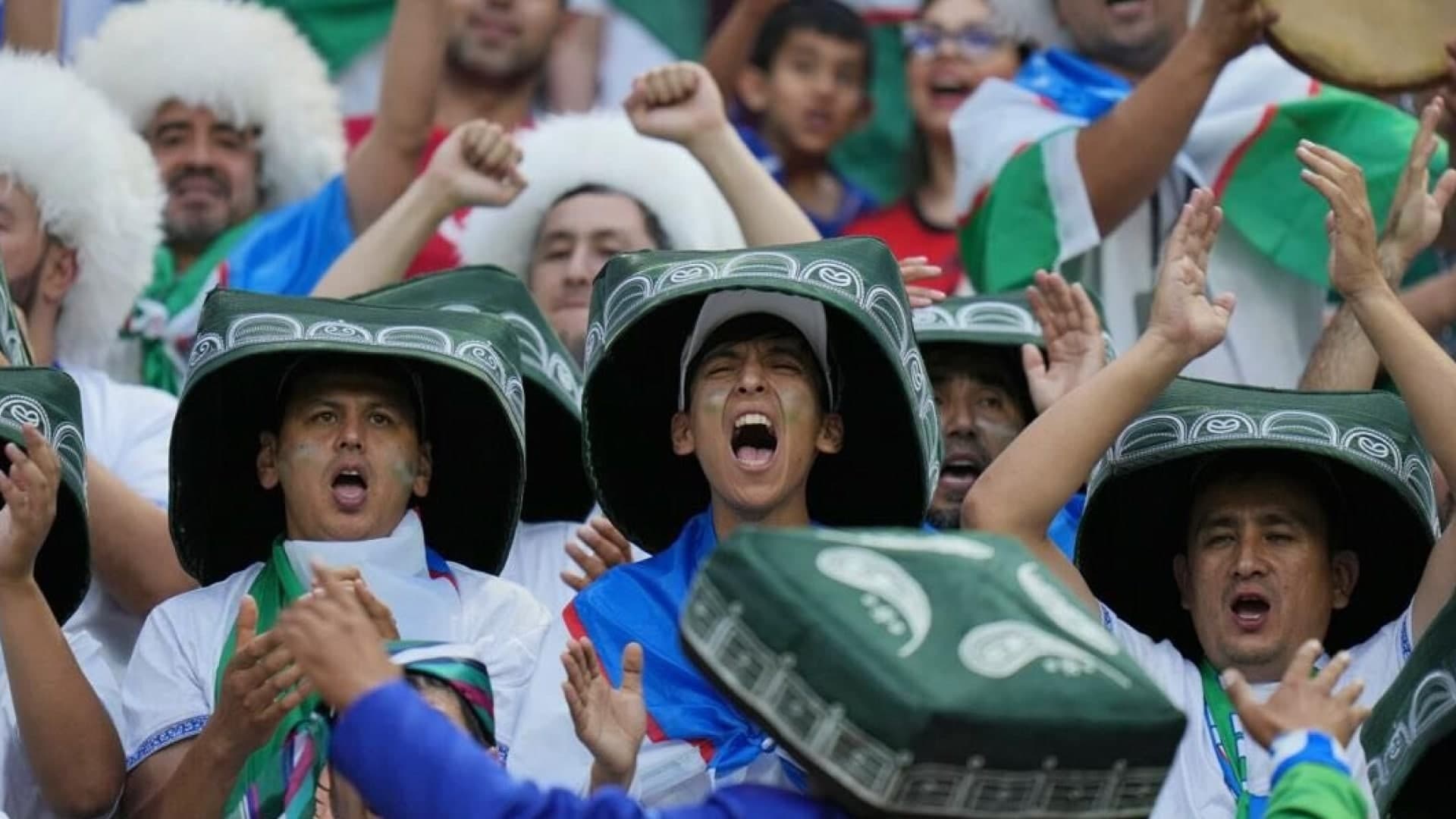
Panama target World Cup upset against England in final group match
Panama face England with a real upset script: a familiar squad, a dangerous transition trio and lessons from the 6-1 loss in 2018.
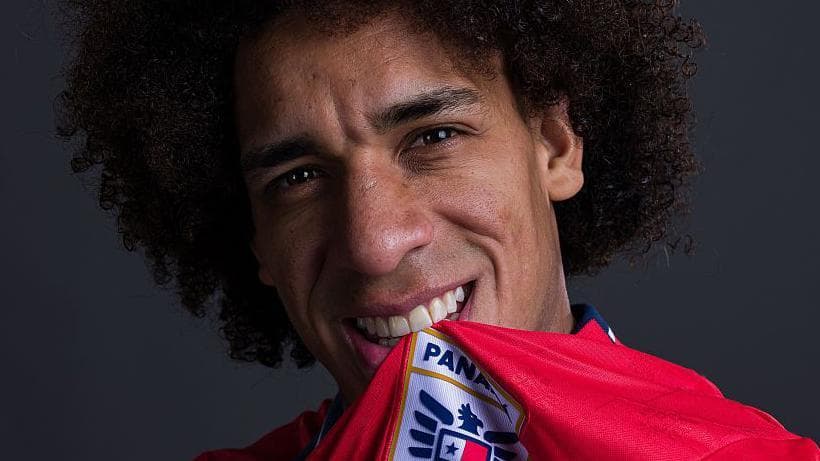
Saturday’s 21:00 Group L kickoff at New York/New Jersey Stadium in New Jersey on 27 June 2026 is only Panama’s second men’s World Cup appearance, and it comes against England in the teams’ final group match. Panama arrive with enough continuity, belief and attacking quality to make England work for every minute.
A second World Cup stage, and a different mood
Panama named their 26-man squad for the 2026 World Cup on 26 May 2026 under head coach Thomas Christiansen, and the group has the same kind of core that took the country to Russia in 2018. It is a side shaped by one World Cup cycle already, now placed in Group L with Croatia, England and Ghana.
Panama do not arrive as favorites in the group, but they do arrive with a clearer identity than they had eight years ago. In March 2026, Christiansen said he wants to put Panama “on the map” in world football.
Why the England memory still matters
The last time these teams met at a World Cup, England won 6-1 and Harry Kane scored a hat-trick. That defeat eliminated Panama from the 2018 tournament, while England moved on to the last 16, and Panama went winless in Russia. The scoreline still defines the reference point, but it also gives Panama a concrete lesson in how quickly England can punish loose defending.
Panama cannot afford the kind of early collapse that turned the 2018 game into a runaway, but they also know that one disciplined spell can change the texture of the contest. The burden is not to outplay England for 90 minutes; it is to keep the match close long enough for pressure, nerves and one or two transitions to matter.
How smaller teams manufacture upset chances
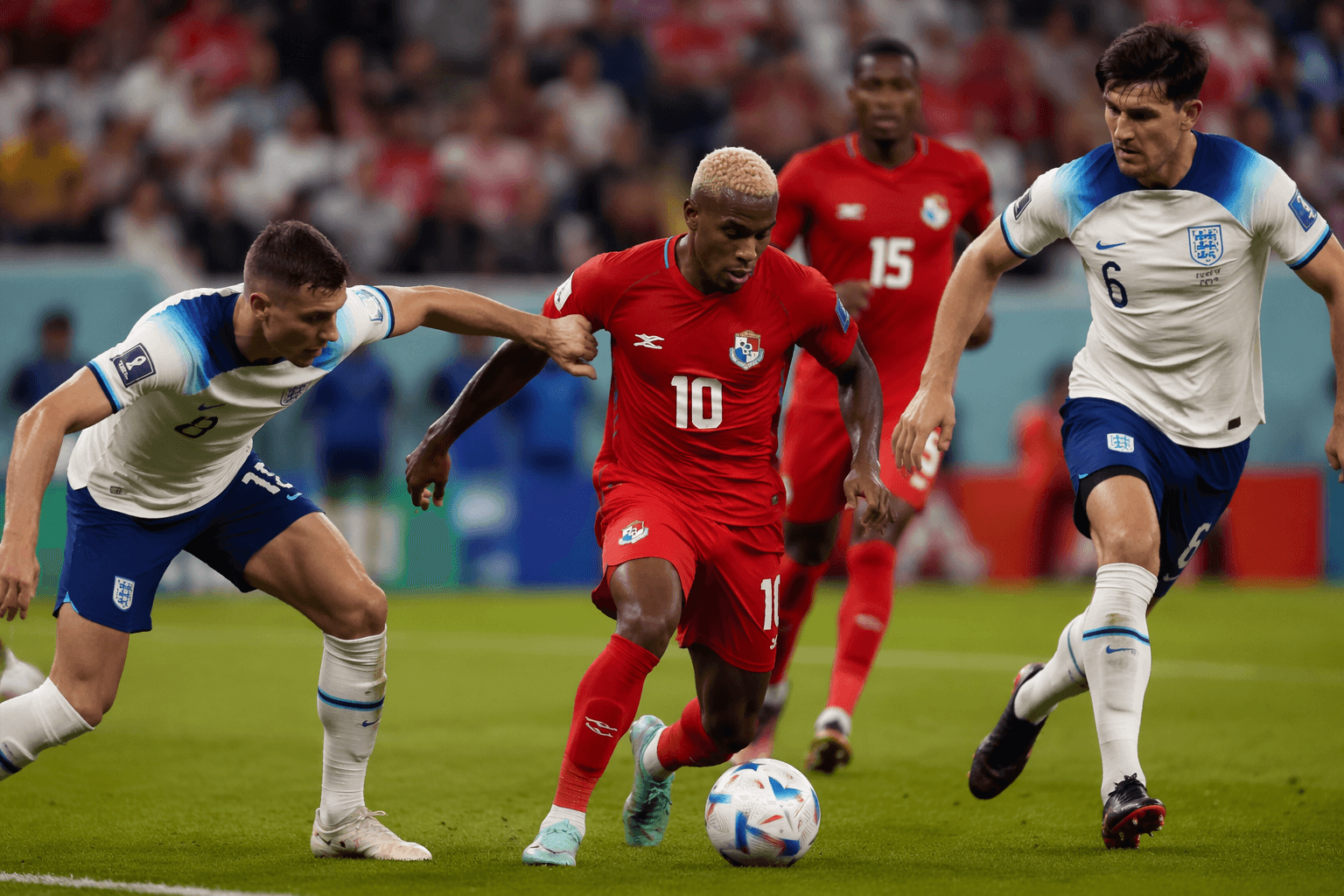
Panama’s route to an upset is usually not elaborate possession or a duel for territory on England’s terms. It is compact defending, a tight midfield screen, quick decisions when the ball is won, and enough sharp movement in the final third to punish a side that pushes too many players forward.
Panama have the personnel to make that plan plausible. José Fajardo, Cecilio Waterman and midfielder Adalberto Carrasquilla were key contributors in the qualifying campaign, and that trio points directly to the kind of game Panama need. Carrasquilla gives them a midfield connector who can carry the ball through pressure or find the first forward pass; Fajardo and Waterman provide the finishing threat that turns one recovery into an actual chance.
If England underestimate them, Panama’s best opening is to turn the match into a stop-start contest. That means denying England clean central access, forcing attacks wide, springing forward quickly when space opens behind the fullbacks, and treating set pieces as a scoring lane.
The players who can swing the match
Adalberto Carrasquilla is the midfielder who can make Panama more than a reactive team. When he receives under pressure and keeps the ball moving, Panama can climb the field without surrendering possession straight back. Against a side with England’s ball-winning ability, that kind of composure is not a luxury; it is the difference between surviving a spell and inviting another wave.

José Fajardo and Cecilio Waterman matter because Panama need finishing, not just effort. FIFA’s qualifying notes called the pair the “dynamic duo” that helped decide games, and that is the function they must keep serving here. If Panama get only a handful of entries into the England penalty area, those chances must travel through players who have already shown they can decide qualifying pressure.
Aníbal Godoy gives the side its tone and memory. As captain, he has already said the rematch with England will be “different this time.” Godoy’s role is not only emotional leadership; it is also about keeping Panama organized when England raise the pace and when the game starts to stretch.
What Panama need from the game state
Panama’s upset chances rise if the match stays level deep into the second half. England should expect pressure, but they cannot afford to treat this as a routine group finale or assume Panama will fade once the tempo rises. A disciplined first hour would let Panama preserve energy, keep their lines intact and wait for the kind of turnover that can change the entire feel of the match.
Panama have the benefit of continuity from their first World Cup, the belief of a coach who has told them to think bigger, and a front line that can punish mistakes if the game becomes chaotic.
This article was produced by Prism’s automated news system from verified source data, official records, and press releases, then run through automated quality and moderation checks before publishing. The system is built and supervised by the people who set the standards it runs under. Read our full AI policy.
Know something we missed? Have a correction or additional information?
Submit a Tip