Paris bans public drinking as heat wave strains hospitals
Paris moved to curb public drinking from noon Friday as a heat wave pushed hospitals, transit and landmarks into emergency mode.

Paris banned public alcohol consumption from midday Friday as officials tried to reduce heat-related pressure on hospitals and emergency services during a punishing early-summer heat wave. Paris police chief Patrice Faure announced the restriction on Thursday, June 25, 2026, and said drinking alcohol in strong sun can have a “devastating effect.”
The order applied across the city, but the Paris police prefecture said it would not cover restaurants and bars operating with the proper permits in their usual spaces. Reuters reported that the ban also included sales of alcoholic products in Paris beginning Friday evening, adding another layer to a response that already treated the heat as a public-order problem, not only a public-health warning.
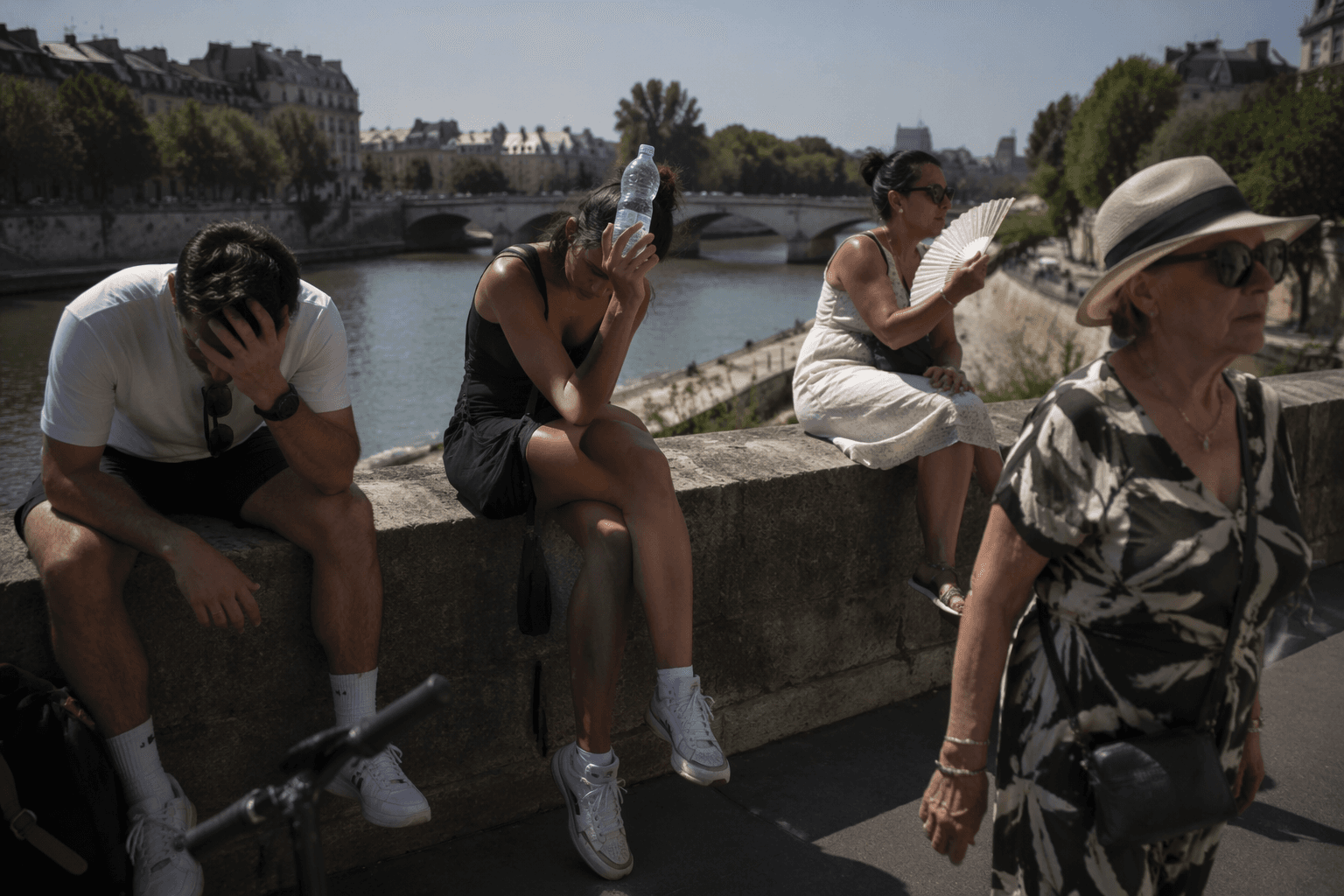
France had already spent days under escalating alerts. About a third of the country was under the highest heat warning on Sunday, June 21, with temperatures reaching 40 C in some areas and forecasts of up to 41 C. By Monday, June 23, nearly half of metropolitan France was placed on red alert, while French authorities canceled some outdoor sports events, trains and concerts.
The city’s landmarks also adapted. The Eiffel Tower and other Paris venues installed misting stations to cool crowds, and public-health officials said hospitals were under strain from heat-related emergencies. Emergency services and military forces were put on wildfire alert as the heat spread risk far beyond discomfort and into operational planning.
The response reflected a more aggressive style of heat management that has become harder to avoid as Europe warms. World Health Organization Europe said this month that more than 200,000 people across Europe died from heat-related causes over the previous four years, most of them preventable. In France, public-health reporting on the earlier May heat episode had already shown more visits for dehydration, hyperthermia, hyponatremia and fainting spells.
That backdrop has pushed governments toward blunt, highly visible restrictions that shape everyday behavior in real time. In Paris, the logic was clear: limit alcohol, reduce risky crowd conditions, and try to keep hospitals from absorbing the next wave of preventable emergencies as summers grow hotter and more frequent.
This article was produced by Prism’s automated news system from verified source data, official records, and press releases, then run through automated quality and moderation checks before publishing. The system is built and supervised by the people who set the standards it runs under. Read our full AI policy.
Know something we missed? Have a correction or additional information?
Submit a Tip