Paris opens supervised Canal Saint-Martin swim area amid heatwave
Paris turned a 100-meter stretch of Canal Saint-Martin into supervised swim space as France logged its hottest day ever and heat alerts spread across the country.
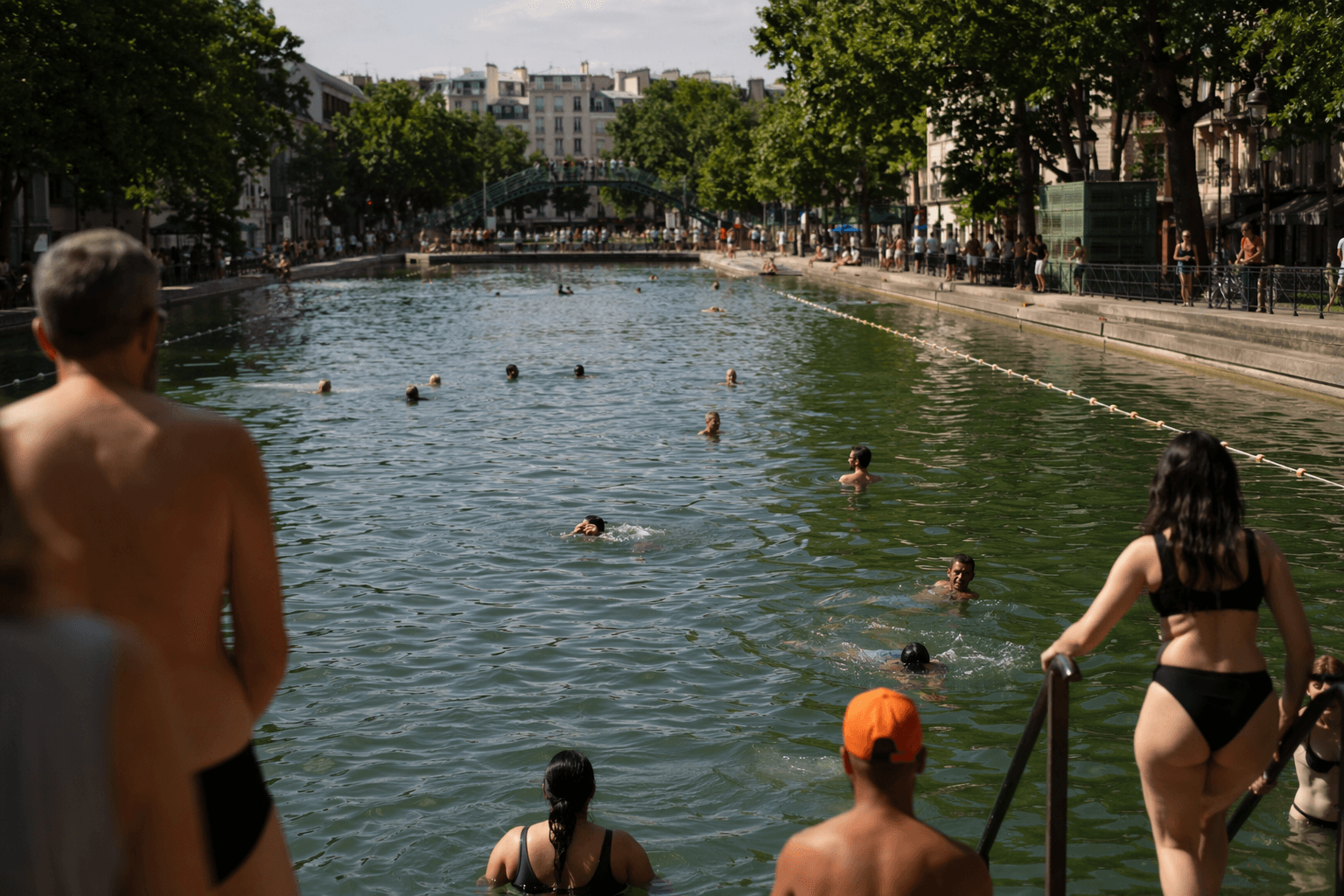
Paris opened a supervised swimming area in the Canal Saint-Martin’s Récollets basin on June 17, turning a 100-meter stretch between 116 and 126 quai de Jemmapes into a place where residents could cool off under lifeguard watch. The site opened at 4 p.m. that day, then stayed in use through July 4 from 3 p.m. to 9 p.m. as temperatures climbed and another heatwave moved across France.
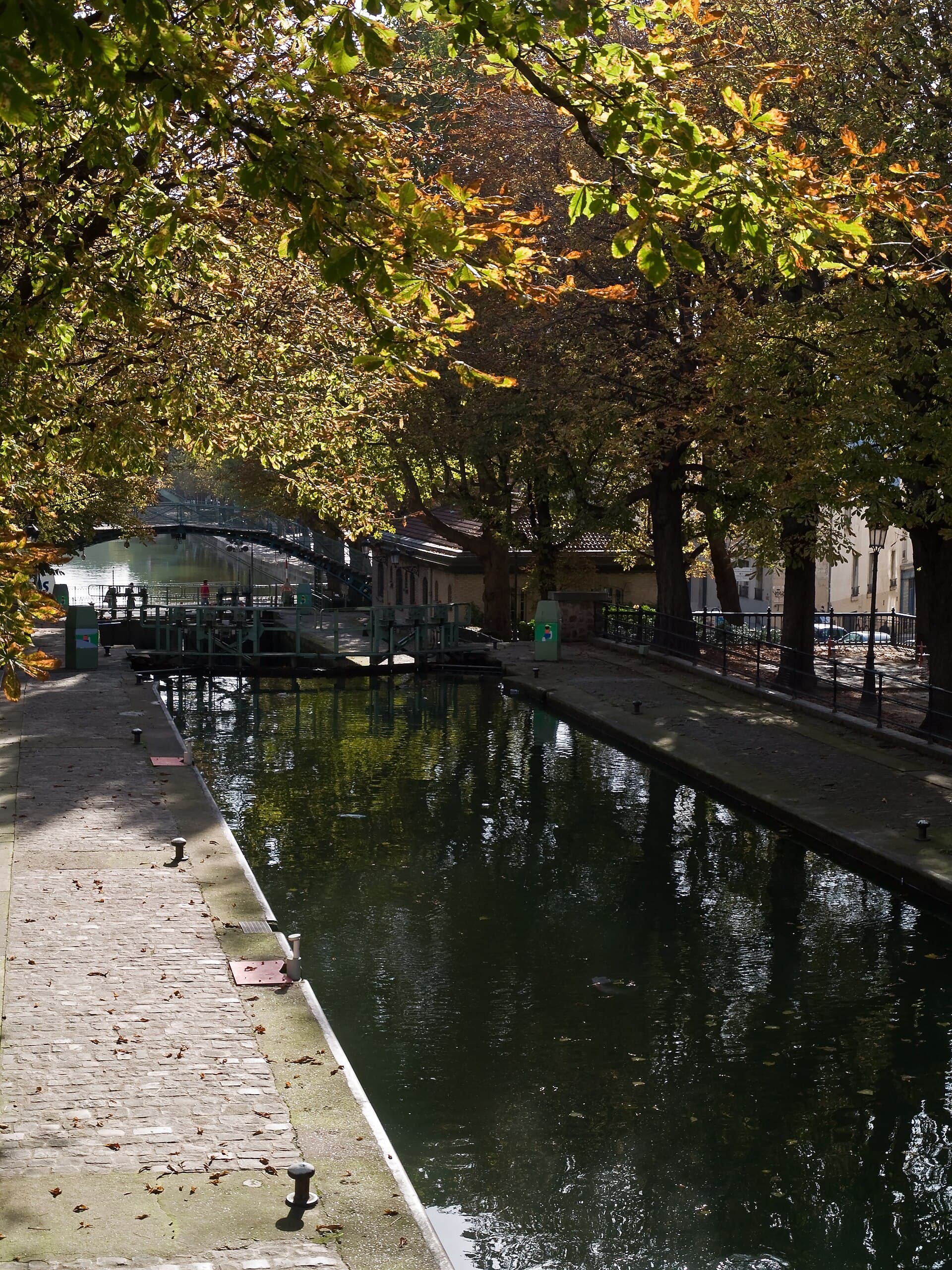
The move shows how quickly European cities are being pushed to repurpose infrastructure for survival as extreme heat deepens. Paris officials framed the canal opening as a controlled alternative to wild swimming, warning that locks on the Canal Saint-Martin can create dangerous suction currents that can drag a person underwater. City staff also said water quality is checked daily, a basic safeguard that has become central as more people look for relief in public waterways rather than crowded indoor spaces.
The reopening was not meant as a one-off gesture. Paris plans to make the Canal Saint-Martin swimming area a regular summer attraction on Sundays from July 5 through September 6, extending a pilot that had already drawn strong interest in 2025. Emmanuel Grégoire and Alexandra Cordebard, who leads the 10th arrondissement, backed the opening as heat made the city’s narrow, tree-lined streets feel less like a refuge than another hazard.
The public-health stakes sharpened days later. Météo-France said June 23 was the hottest day ever recorded in France, with the national thermal indicator reaching 29.8 degrees Celsius, or 85.6 degrees Fahrenheit, while red and orange alerts covered large parts of the country. Schools and transport were also disrupted across France, underscoring how heat has moved from a seasonal inconvenience to a structural pressure on daily life.
For Paris, the canal swim area is a visible adaptation, but its scale is modest against the pace of warming. A 100-meter supervised strip with lifeguards and daily testing offers immediate relief in one neighborhood, yet it also highlights how cities are being forced to retrofit public space faster than heat waves are intensifying.
This article was produced by Prism’s automated news system from verified source data, official records, and press releases, then run through automated quality and moderation checks before publishing. The system is built and supervised by the people who set the standards it runs under. Read our full AI policy.
Know something we missed? Have a correction or additional information?
Submit a Tip