Park City Opens EngineHouse, Largest Affordable Housing Project Completed
Park City celebrated the December 19 ribbon cutting for EngineHouse, a roughly $40 million affordable housing complex built on city land in Bonanza Park, which provides 99 income qualified units and 24 market rate apartments. The project matters because it uses significant public support to expand housing for workers, it drew strong demand with more than 600 prospective tenants, and it raises enduring questions about public subsidy, land use, and design in a high cost community.
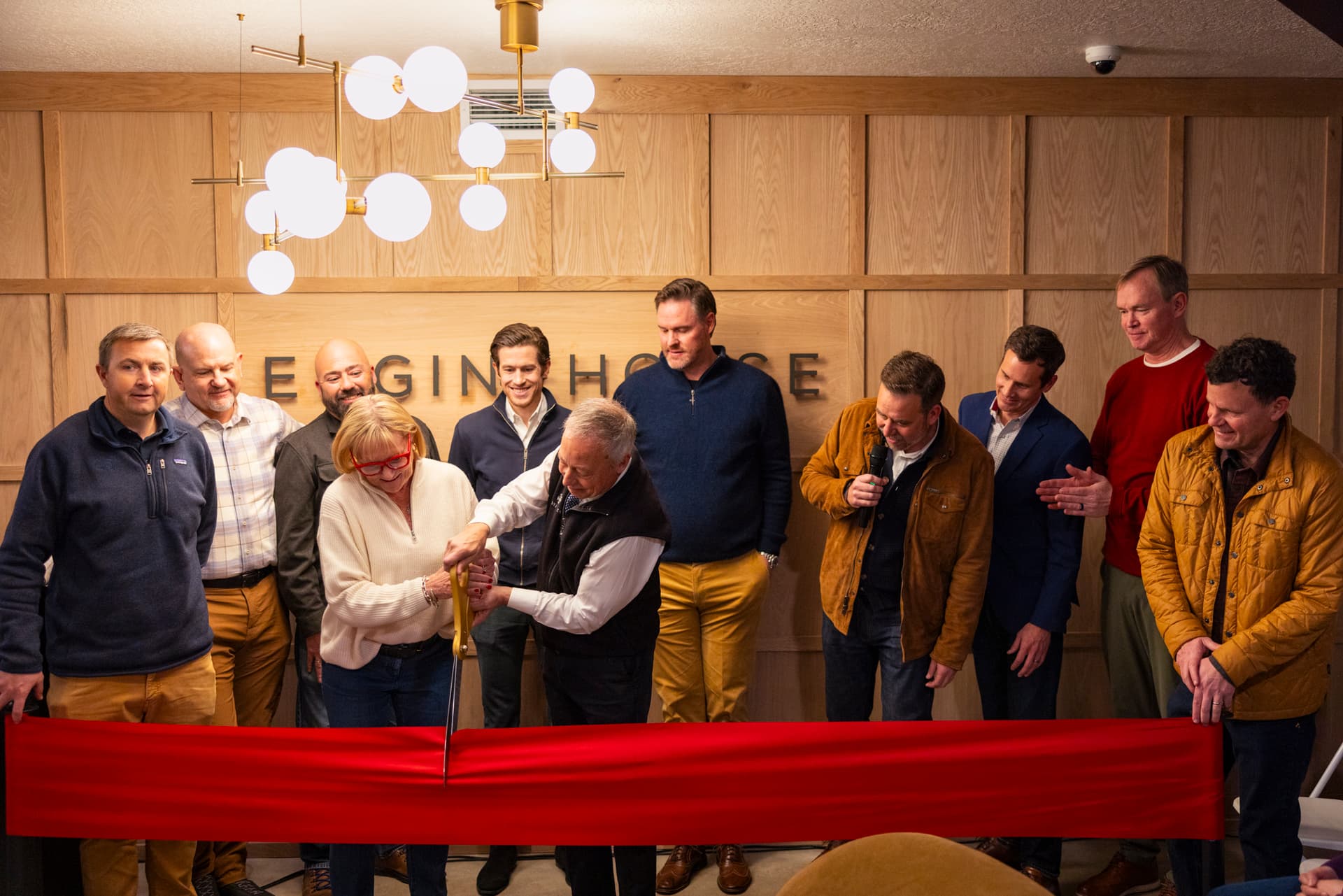
EngineHouse officially opened to the public Friday after a ribbon cutting that capped a project city leaders and developers described as a public private partnership delivering Park Citys largest affordable housing development to date. The roughly $40 million complex offers 99 income qualified apartments alongside 24 market rate units, and includes a rooftop clubhouse, bike storage and repair area, yoga room, workout room, children?s play area, a vintage game room and underground parking. Developers reported the project finished just $34,000 over budget and opened in time for winter.
The city provided targeted financial assistance to make the development feasible, offering a 99 year one dollar per year lease for the Bonanza Park site and waiving impact fees. Those public supports allowed the developer to set income eligibility and rent levels, with published limits including a one person household area median income cap of $70,020 and monthly rents ranging from $1,793 to $4,300 depending on unit type. Early interest was strong, with more than 600 people expressing interest in living at EngineHouse in early December.
Mayor Nann Worel framed the project as helping working residents live and work in central Park City, and speakers at the opening emphasized legacy and long term community impact. The event also surfaced some criticism of the building exterior, reflecting ongoing debates over design and the visual footprint of higher density housing in established neighborhoods.

EngineHouse illustrates several policy trade offs facing Summit County municipalities. The project expands supply aimed at workers and households priced out of the market, but it also relies on long term public subsidies and the allocation of public land to private developers. That model can accelerate delivery of units while prompting scrutiny about precedent, fiscal impact and accountability for long term affordability. For residents, the immediate effect will be the creation of new rental options downtown and a visible example of the city using land and fees to pursue housing goals.
Demand and the 99 income qualified units mean local officials will need to continue addressing wait lists, eligibility monitoring and enforcement of affordability terms over time. As Park City moves forward, EngineHouse will be both a resource for local workers and a test case for how public policy, private capital and community preferences align in a high cost mountain economy.
Sources:
Know something we missed? Have a correction or additional information?
Submit a Tip