Parker Police Launches VIPS Volunteer Program, Names First Five Members
Residents learn about Parker Police’s new VIPS volunteer program, the first five volunteers, and how to get involved through the Spring Citizen’s Academy.
1. Parker Police launches a Volunteers in Police Services (VIPS) program to build department‑community partnerships
The Parker Police Department has opened a VIPS program to bring community members into non‑enforcement roles that support public safety and strengthen neighborhood ties. By defining volunteers as partners rather than deputies, the program aims to broaden engagement and create formal pathways for residents to participate in public safety work without expanding the sworn force. For Douglas County residents, that means more structured opportunities to influence local policing priorities while keeping civilian oversight and community voice visible.
2. VIPS volunteers will focus on non‑enforcement duties and act as department ambassadors
VIPS participants are intended to take on non‑enforcement functions, tasks that free sworn officers to focus on calls that require police authority while volunteers handle administrative, outreach, and visibility roles. Serving as ambassadors, volunteers can help translate department processes for neighbors, assist at community events, and provide an approachable presence that reduces friction during routine interactions. Those ambassador roles can lower barriers for residents who are wary of formal police contact, helping people connect to services and resources that affect health and safety in everyday life.
3. The program expands department capacity without increasing costs, with policy and public health implications
Parker describes the VIPS program as a way to expand capacity without adding budgeted sworn positions, which has clear fiscal appeal for municipal policymakers balancing limited tax funding. From a public health perspective, shifting some tasks to trained volunteers can improve response times for non‑urgent community needs, support prevention work, and reduce unnecessary police encounters that can escalate stress, trauma, or criminalization of behavioral health crises. That said, the model raises questions for equity and oversight: ensuring volunteers represent Douglas County’s diversity, receive appropriate training, and work under clear rules is essential to avoid uneven service or unintentional harms.
4. VIPS aims to enhance transparency, community engagement, and provide extra “eyes and ears” for public safety
One stated goal of the initiative is to increase transparency and engagement, giving residents more access to how the department operates and more opportunities to raise local safety concerns. Extra “eyes and ears” in neighborhoods can be a community asset for non‑criminal observation and information sharing, particularly when paired with clear reporting channels and privacy protections. For historically marginalized groups, meaningful engagement requires outreach that addresses language, mobility, caregiving, and trust barriers, otherwise volunteer programs risk reflecting existing disparities rather than reversing them.
5. The department named its first five VIPS members and encourages residents to join via the Spring Citizen’s Academy
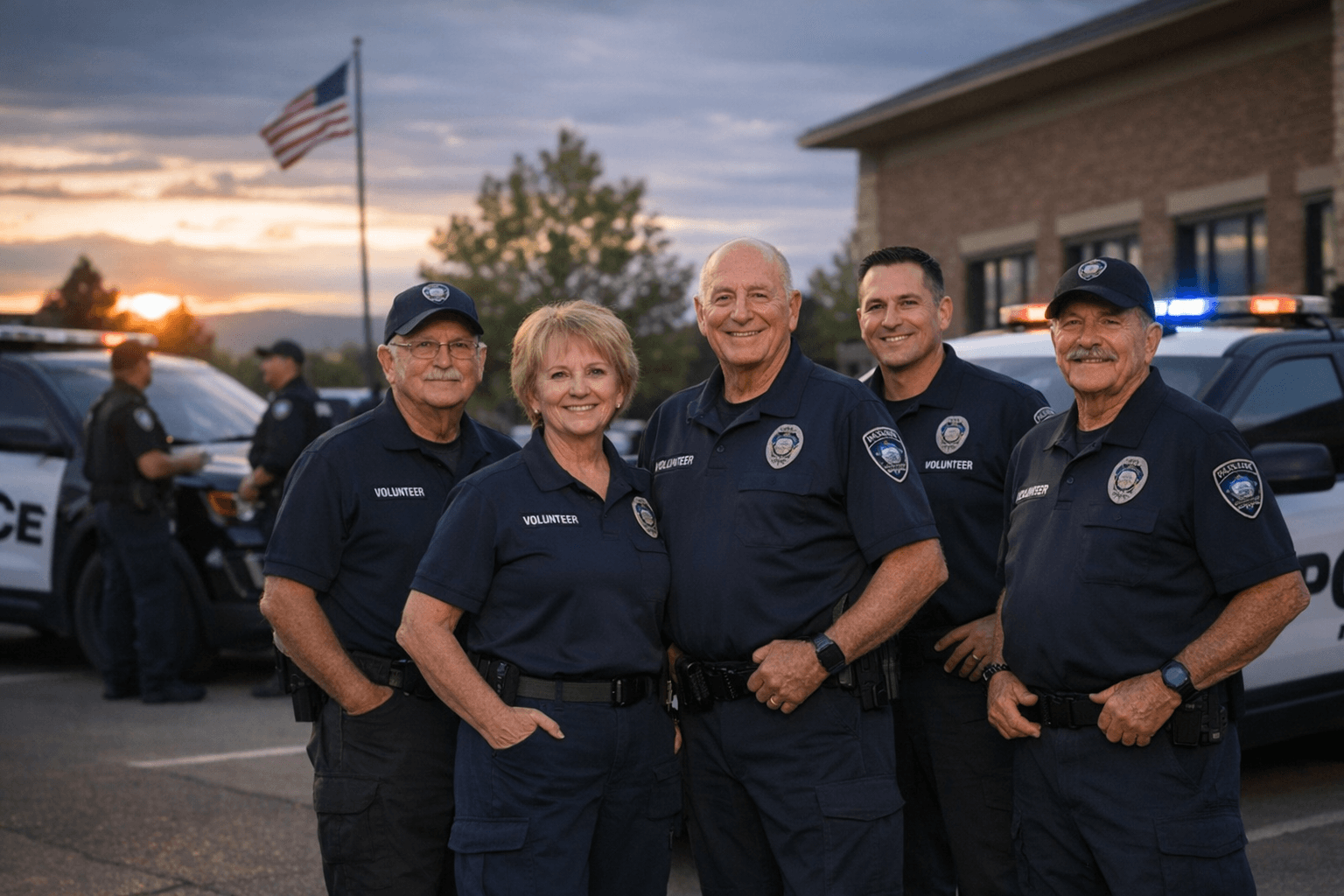
Parker Police thanked the first five VIPS volunteers by name: Mike Appleby, Aislyn Ball, Ashley Kim, Denny Moses, and John Liberati, signaling the program’s immediate, local start. Residents interested in serving are encouraged to register for the Spring Citizen’s Academy as the first step toward becoming a VIPS volunteer; attending the academy offers a direct route to learn department policies, expectations, and how volunteers fit into the public safety ecosystem. If you’re considering volunteering, practical steps are to sign up for the Citizen’s Academy, ask about accommodations (schedules, language access, childcare), and request clear descriptions of duties and supervisory structures, small preparations that make participation accessible and help ensure the program strengthens community health, equity, and trust.
Practical takeaway: volunteering through VIPS can be a hands‑on way to shape Parker’s approach to safety, but effectiveness will depend on transparent training, equitable recruitment, and ongoing community feedback, so sign up, ask questions, and bring neighbors with you to make the program reflect the whole of Douglas County.
Sources:
Know something we missed? Have a correction or additional information?
Submit a Tip