Partial DHS shutdown begins as immigration fight sparks staffing crisis
The Department of Homeland Security has entered a partial shutdown after lawmakers deadlocked over ICE reforms, threatening airport security, disaster response and cyber protections.

The Department of Homeland Security has entered a partial shutdown after Congress failed to pass a funding measure amid a standoff over demands for sweeping reforms to Immigration and Customs Enforcement following deadly federal actions in Minneapolis.
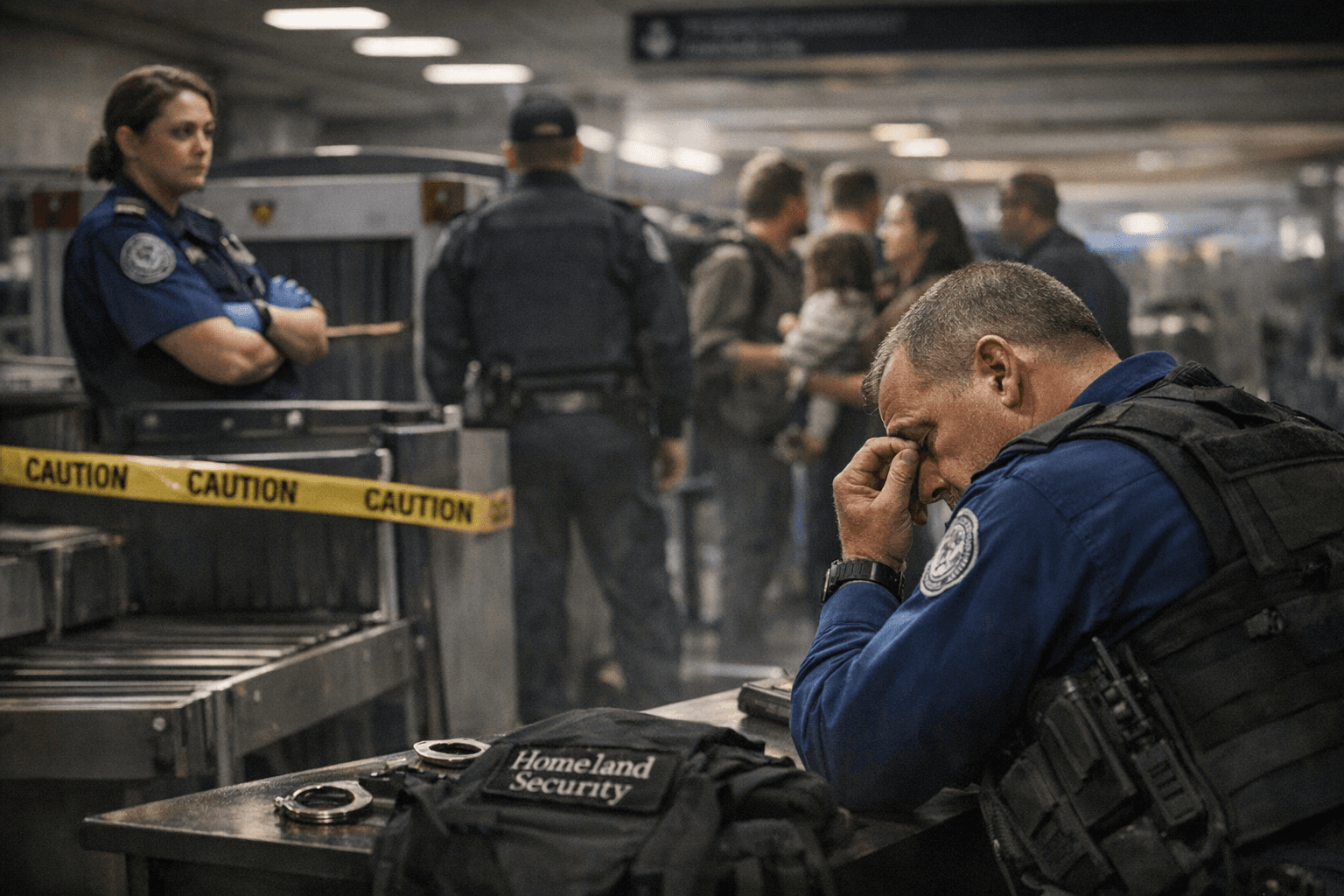
Office of Management and Budget Director Russell Vought directed DHS to implement shutdown plans late Friday, and funding lapsed in the Friday–Saturday window, leaving key components of the department operating under strained conditions. The lapse affects the Transportation Security Administration, the Federal Emergency Management Agency, the Cybersecurity and Infrastructure Security Agency, the Secret Service and the Coast Guard, among others. Thousands of DHS employees face either furlough or continued work without pay until lawmakers reach agreement.
The impasse followed Democratic calls for changes to ICE tactics after two people were killed in January during a Minneapolis crackdown that provoked national outcry. The victims, identified in reporting as Renee Good, described as a mother of three, and Alex Pretti, described as a nurse who worked with military veterans, became central to demands that funding be conditioned on reforms that Democrats say are needed to curb abusive enforcement practices.
Lawmakers failed to clear the Senate procedural threshold to advance a stopgap funding bill, with a final vote reported at 52-47 and Senator John Fetterman the sole Democrat supporting the measure. Senate rules require 60 votes to overcome a filibuster, leaving the measure short even if all Republican senators had supported it. Democrats also blocked a proposed two-week extension at current funding levels, raising the prospect of an extended shutdown as members departed Washington for a weeklong recess and overseas travel.
Operational warnings were immediate. TSA cautioned that a prolonged lapse could lead to longer wait times and canceled flights. FEMA faces potential disruption to disaster reimbursements and emergency response capacity, while CISA warned that delays would affect cyber protections for critical infrastructure. The Coast Guard and domestic flight operations were also flagged as vulnerable to disruption. By contrast, ICE and Customs and Border Protection are expected to continue largely operating because of a $75 billion infusion in last summer’s broader appropriations package.
Democrats have tied any new DHS funding to specific reforms that include requiring judicial warrants before agents enter private property, banning the use of face masks by ICE agents during operations, mandating body cameras, curtailing certain patrols and adopting new use-of-force standards. The showdown reflects deeper tensions over enforcement priorities and accountability that have intensified since the Minneapolis raids and the resulting protests.
The White House signaled willingness to negotiate and President Donald Trump told ABC News that he intended to be personally involved in talks. Senate Republican leader John Thune described the White House proposal as "an extremely serious offer," but warned Democrats are "never going to get their full wish list."
This is the third shutdown of Mr. Trump’s second term, coming after a record 43-day closure late last year and a brief four-day lapse earlier this month. Polling cited during coverage shows broad public unease with current ICE tactics, with 65 percent of respondents in a PBS News/NPR/Marist survey saying ICE has gone too far. As talks are expected to continue into the weekend, communities reliant on FEMA, travelers dependent on TSA and institutions that require uninterrupted cyber defenses face immediate uncertainty, underscoring how budget fights in Washington can quickly reverberate through public health, emergency services and the most vulnerable populations.
This article was produced by Prism’s automated news system from verified source data, official records, and press releases, then run through automated quality and moderation checks before publishing. The system is built and supervised by the people who set the standards it runs under. Read our full AI policy.
Did this article answer your question?

