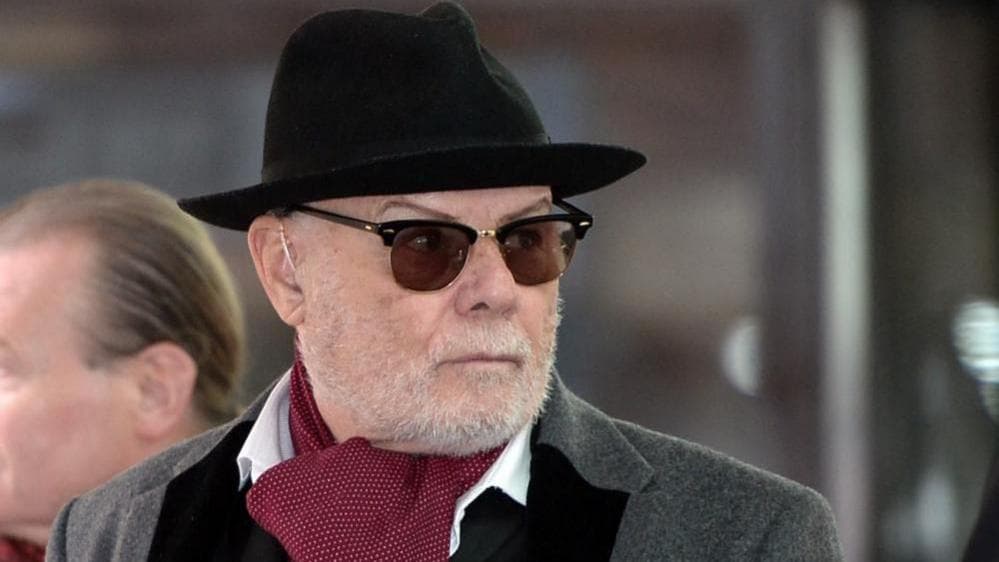
Patreon CEO Jack Conte doubles down on human-made art amid AI flood
Patreon is betting that fans will keep paying humans directly as AI slop spreads online. The company says creators passed $10 billion in payouts and 60 million free memberships in 2024.
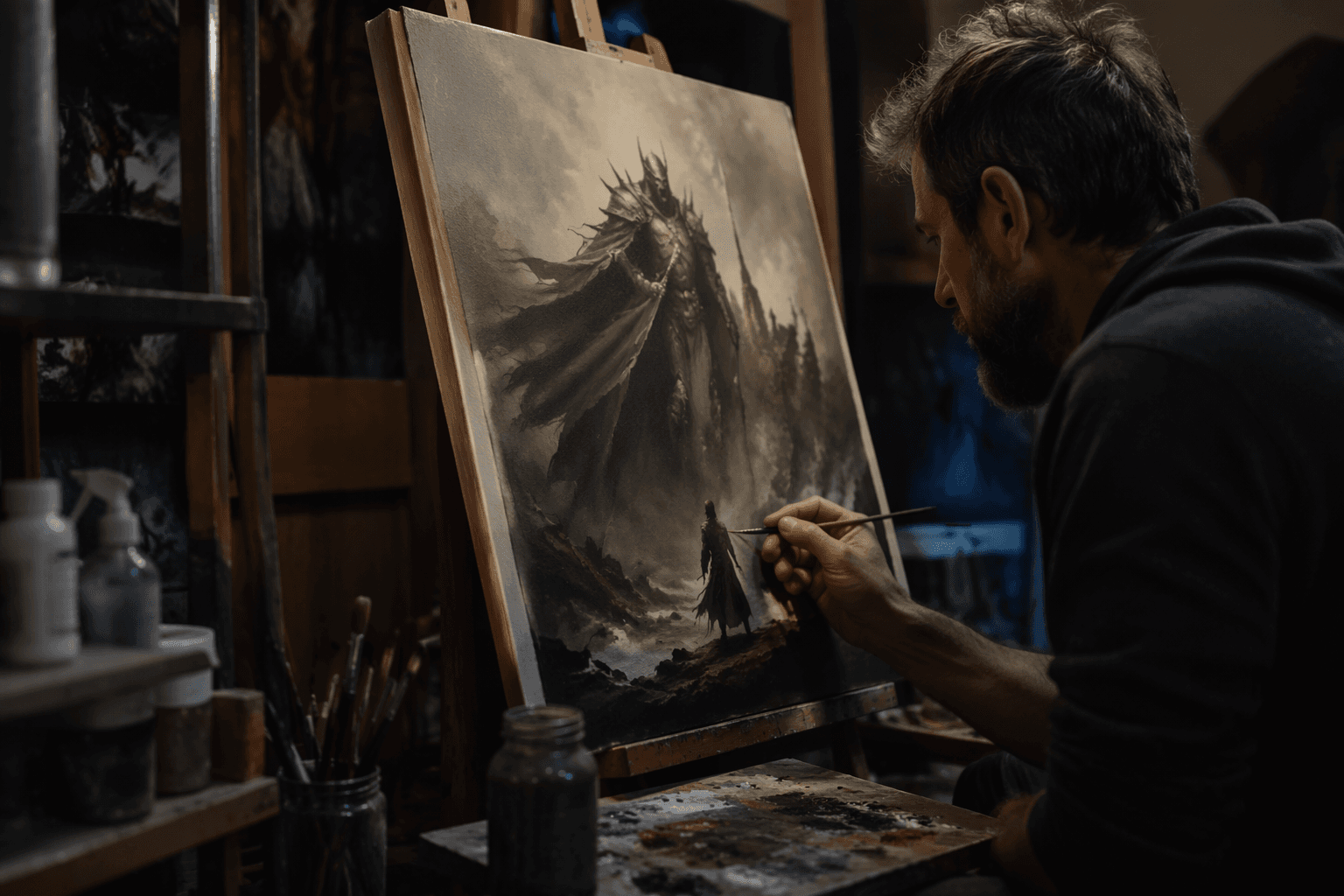
Jack Conte is again arguing that the creator economy still has room for human-made art, even as AI-generated content floods the internet and turns “AI slop” into a cultural complaint. The Patreon chief says the company is “going all in” on the belief that people will keep wanting creativity from other humans, a view he says sits at the center of Patreon’s strategy and business success.
That bet has been matched by a steady tightening of Patreon’s AI rules. In 2023, more than 3,000 creators told the company how generative AI was affecting their creative businesses, and Patreon added its first AI-related Community Guidelines that year, including a ban on human pornography regardless of how it was created. A 2024 mid-year policy update said the company was weighing additional guideline changes and a broader revamp. By 2025, Patreon had refined the policy further, drawing a line between stylized or illustrated AI-generated characters, which are allowed on Adult/18+ pages, and hyperrealistic depictions of real people, which are allowed only with consent documentation.
The policy changes matter because they sit inside a platform that is no longer small or experimental. Patreon said creators surpassed 60 million free memberships in 2024, and it said discovery on the platform is driving more than $200 million to creators each year. The company has also said creators have crossed $10 billion in payouts, a scale that gives Patreon unusual leverage as it tries to define what kinds of synthetic content should circulate alongside human work.
Patreon’s moderation system now leans on both creator input and enforcement review. The Patreon Policy Team uses the Creator Policy Engagement Program to collect feedback on guideline changes, while the Patreon Trust & Safety team reviews potential violations through moderator review and user reports. Eric Han and Nekesa Mumbi Moody have also been part of the broader company conversation around how the platform handles creator rights, platform safety and the economics of direct fan support.

Conte’s message is straightforward: the web’s old follower-driven, ad-driven model weakened creator relationships, and Patreon’s membership model is meant to rebuild them around “real fans.” In an internet increasingly crowded with automated spam and synthetic media, Patreon is testing a core question for the creator economy: whether audiences will keep paying for work that is visibly and verifiably made by people.
This article was produced by Prism’s automated news system from verified source data, official records, and press releases, then run through automated quality and moderation checks before publishing. The system is built and supervised by the people who set the standards it runs under. Read our full AI policy.
Did this article answer your question?