Paulie Dibner shares motherhood journey after fertility struggles on CBS Mornings
Paulie Dibner turned a CBS Mornings appearance into a frank look at infertility, delayed motherhood and the healing she found after years of treatment struggles.
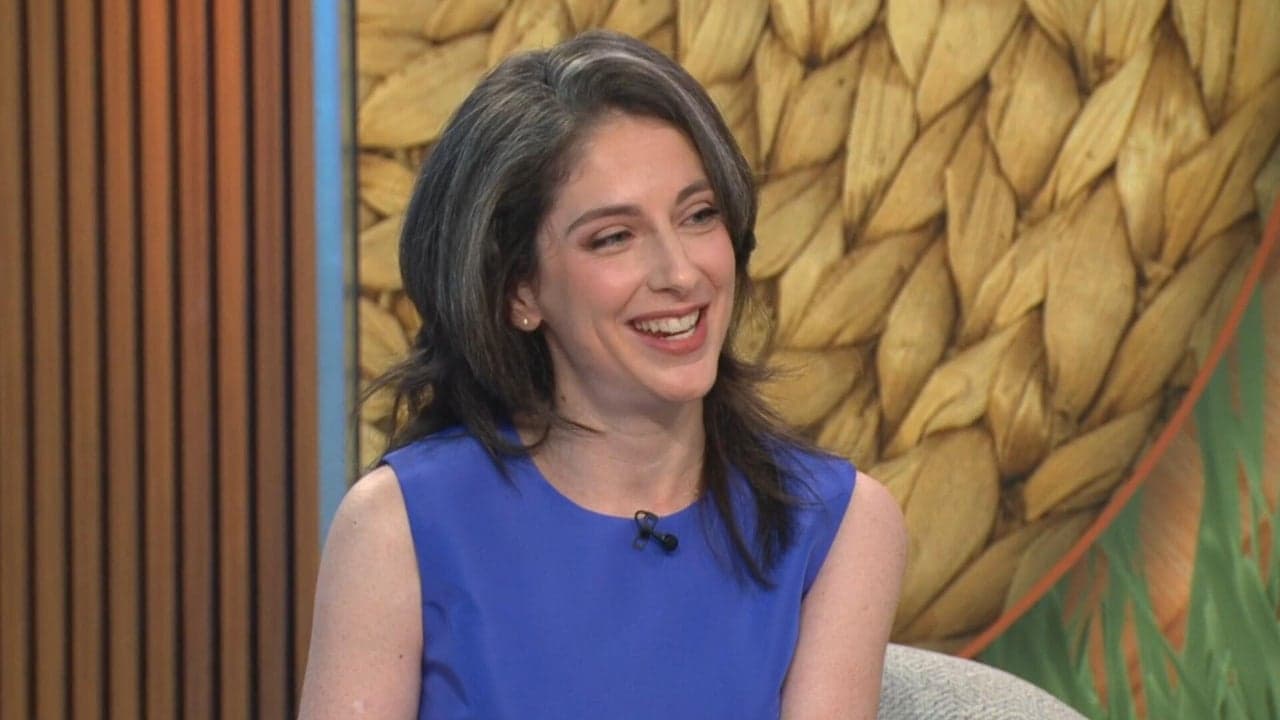
Paulie Dibner, the executive editor of Oprah Daily, used her CBS Mornings appearance to recast a personal milestone as a broader conversation about infertility and delayed motherhood. On the June 9 episode, she appeared alongside actor Jodie Turner-Smith and spoke about her transformative journey to becoming a mother after years of fertility complications, including the unexpected place where she found healing.
Her story lands in the middle of a common and often isolating health challenge. The CDC says 8.5% of married women ages 15 to 49 were infertile in 2015 to 2019, while the National Institute of Child Health and Human Development estimates that about 9% of men and 11% of women of reproductive age in the United States have experienced fertility problems. RESOLVE, the National Infertility Association, says 1 in 8 couples have trouble getting pregnant or sustaining a pregnancy. Those figures help explain why a televised account of treatment setbacks can resonate far beyond morning television.
The data also show how many people end up in the fertility system. CDC FastStats says 13.7% of women ages 20 to 49 have ever used fertility services, a number that reflects the growing reach of clinics, medications and assisted reproductive technology. CBS has also given IVF its own coverage lane, a sign that the network sees fertility as an ongoing health and public-interest issue, not a one-time celebrity anecdote.
That context matters because fertility care is rarely just medical. It can mean repeated appointments, uncertainty after each cycle, and the emotional weight of hoping through disappointment. It can also mean major financial strain, especially when treatment is not fully covered and families are forced to weigh further attempts against costs they may not be able to keep absorbing. Recent CBS reporting on egg freezing has underscored another hard truth: more people are turning to fertility preservation, but it does not guarantee a future pregnancy.
Dibner’s remarks, then, are about more than one family’s path to parenthood. They point to a system in which reproductive health struggles are widespread, treatment is unevenly accessible, and recovery often requires more than medicine alone. By speaking publicly about the road to motherhood and the healing that followed, Dibner put a familiar but frequently hidden experience into the center of the national conversation.
This article was produced by Prism’s automated news system from verified source data, official records, and press releases, then run through automated quality and moderation checks before publishing. The system is built and supervised by the people who set the standards it runs under. Read our full AI policy.
Know something we missed? Have a correction or additional information?
Submit a Tip