PawTracks Guide to Doga: Benefits, Safety Tips, and Responsible Classes
Learn what doga is, the main benefits, safety and welfare red flags, and how to find or run responsible classes for happy people and pups.
1. What doga is and how it entered the community conversation
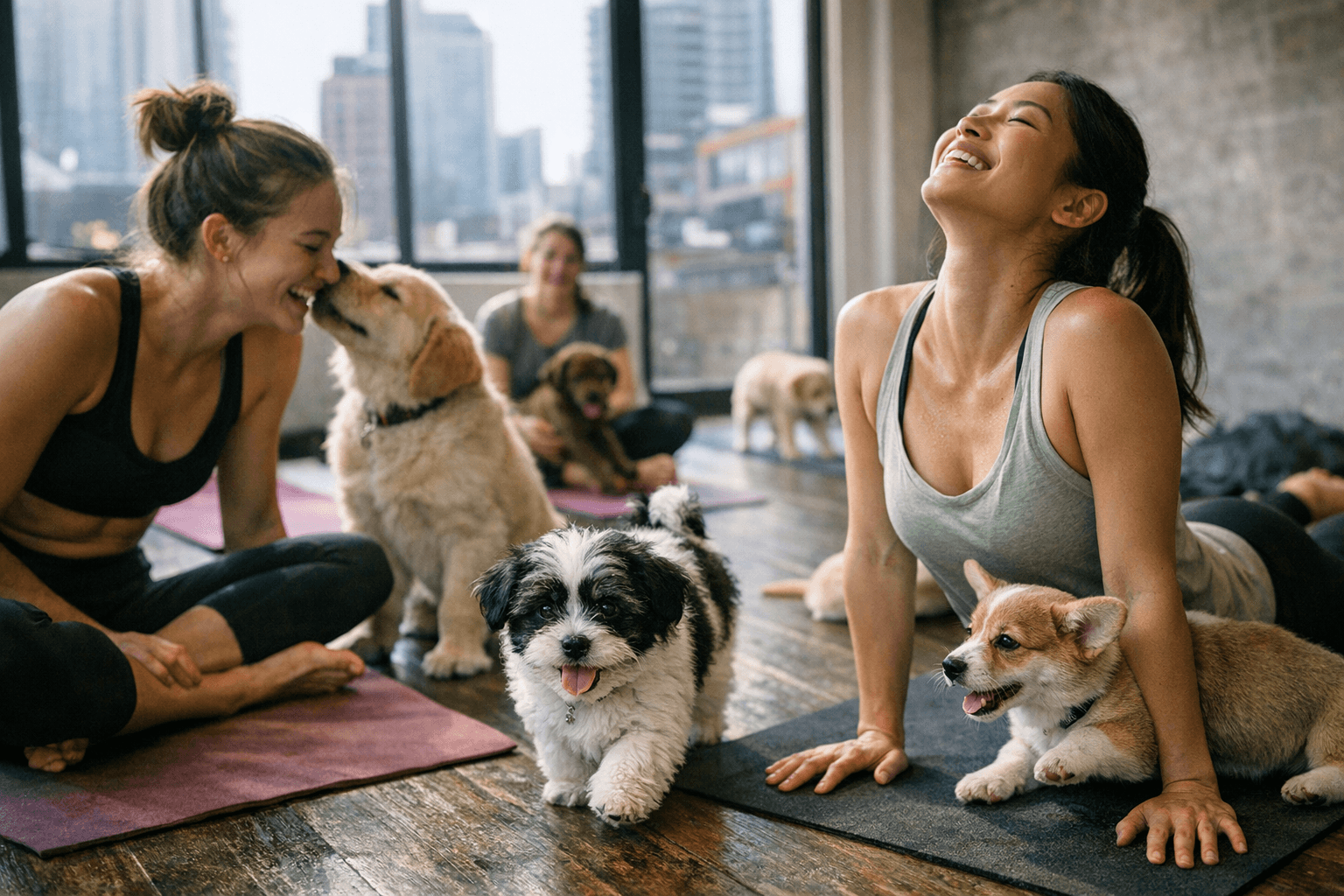
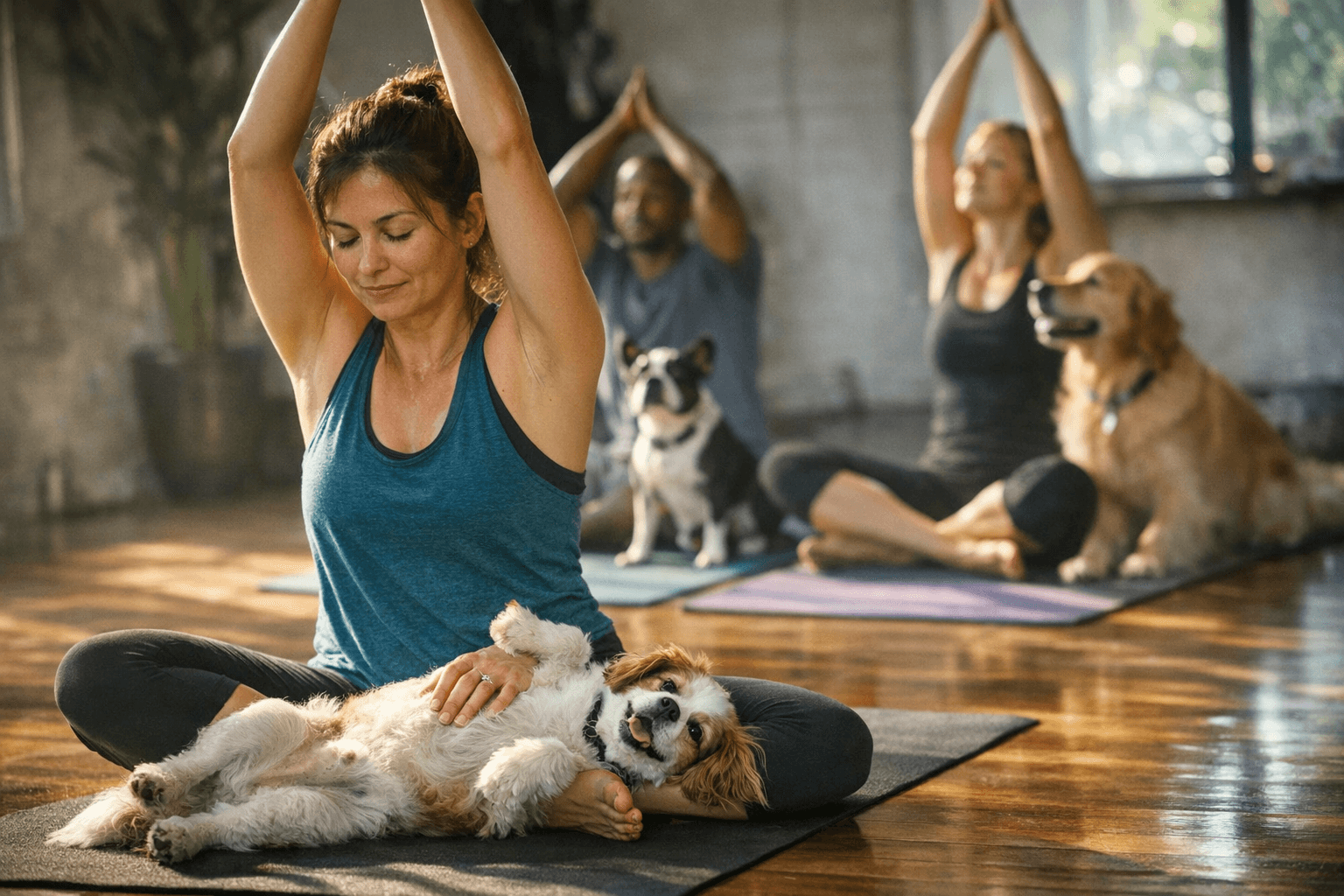
Doga blends traditional human yoga with low-key canine involvement to emphasize bonding and calm interaction rather than athletic training for dogs. It moved from niche studio experiments into broader awareness as pet wellness and community classes grew, landing in studios, community centers, and rescue fundraisers as a light-hearted way to connect people and their dogs. Expect a practice centered on human stretches with dogs as companions, gentle massage or assisted poses for dogs, and plenty of time for relaxed socialization.
2. Benefits for humans and dogs
For humans, doga delivers familiar yoga advantages, mindful breathing, stretching, reduced stress, and adds a social, pet-centered component that boosts mood and motivation to attend regular sessions. For dogs, benefits are subtle: calm physical contact, low-intensity handling, improved social exposure when done correctly, and strengthened human–dog bonds. The practical value for communities shows up as accessible, intergenerational social programming, fundraising for shelters, and a noncompetitive way for neighbors to meet.
3. What to expect in a typical class
Most classes are human-focused: the instructor guides people through stretches and breath work while suggesting gentle ways to include their dogs, such as folding a paw into a lap, light massage between flows, or simple assisted poses. Sessions usually allow dogs freedom to move, sniff, and settle near their person, with structured time for short social interactions. Instructors should manage pacing so dogs aren’t overstimulated, lots of pauses, low-volume cues, and encouragement to let pets opt in or out of participation.
4. Safety and welfare essentials
Prioritize the dog’s comfort: watch body language (avoid stiff tails, pinned ears, lip licking, or attempts to escape), provide easy exits, and never force a pose or handling technique. Ensure dog vaccinations and parasite prevention are up to date and that handlers know their animal’s limits; a class policy requiring proof of vaccination and current temperament checks is a strong signal of responsibility. If a dog shows signs of stress, step back to solo calming techniques: leash management, a quiet mat, or leaving the session early, your dog’s welfare always trumps the plan.
5. Puppy-specific criticisms and responsible alternatives
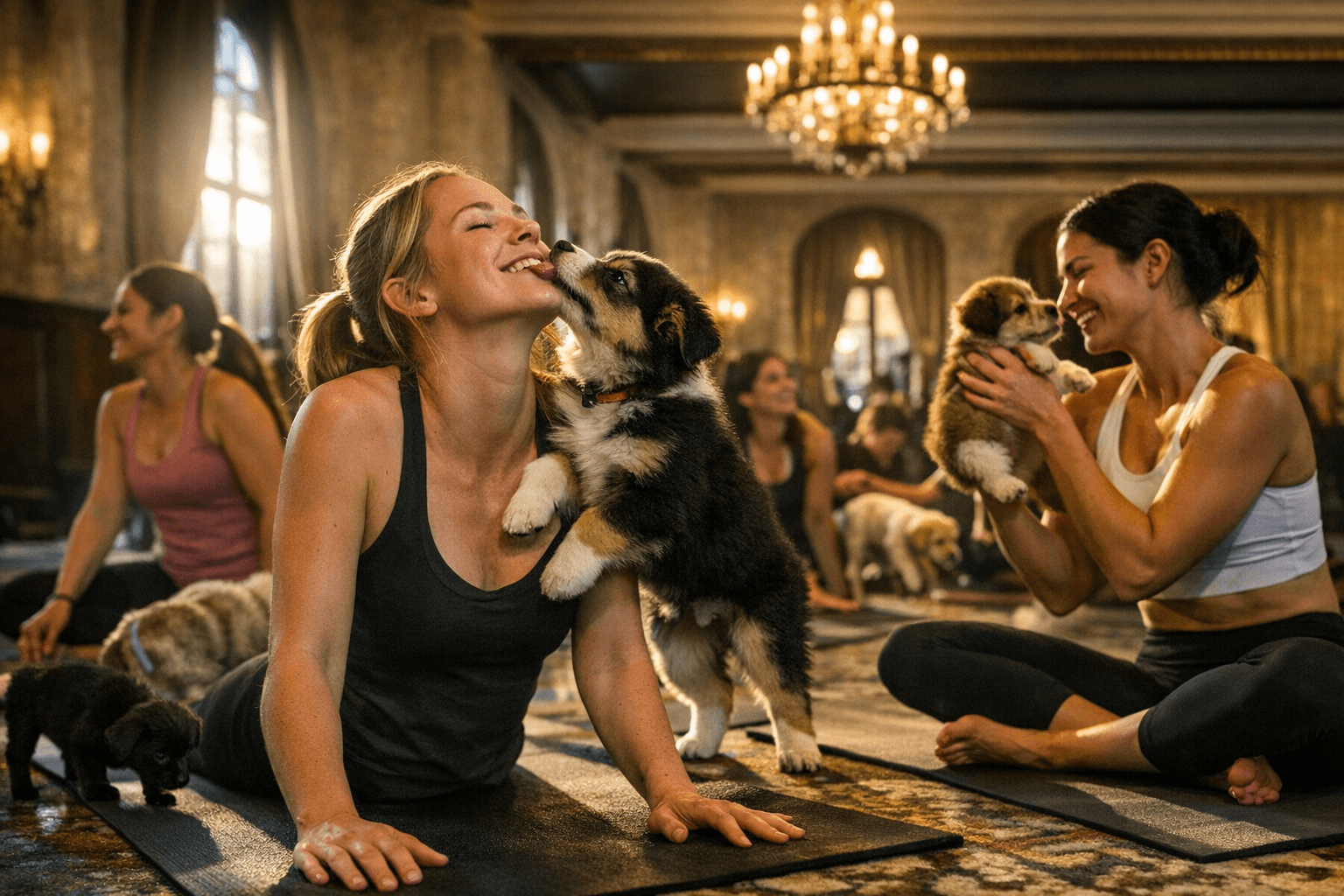
Several organizations criticize “puppy yoga” when very young or unvaccinated puppies are used because of health risks and poor stress-resilience in early development. Very young puppies can be overwhelmed by handling, crowded rooms, and repeated pick-ups, and they may not yet be fully vaccinated against common diseases, creating both welfare and public-health concerns. If you want to include young dogs, opt for small, controlled socialization sessions run by trainers or veterinarians that prioritize short exposure, low handling, and no shared handling among strangers.
- require proof of current vaccinations,
- limit class size so dogs aren’t crowded,
- allow observers or a trial drop-in, and
- prohibit excessive handling or picking up without owner consent.
6. How to find and evaluate responsible doga classes
Ask concrete questions before you sign up: request the vaccination policy, class capacity and student-to-instructor ratio, instructor credentials (pet-first-aid, behavior background), and how they handle stress or emergencies. Look for policies that:
Responsible classes also prioritize quiet entry/exit procedures, provide space for dogs to settle, and communicate clear behavioral expectations for participants.
7. At-home doga: safe modifications and steps
You can practice doga at home with your own well-socialized, calm dog by following simple steps:
1. Start with a short, 5–10 minute session to test comfort.
2. Begin with human breathwork and gentle petting to signal relaxation.
3. Add basic stretches that don’t require lifting or forcing your dog, use massage along shoulders and hips, slow assisted standing, or a relaxed lap hold.
4. Keep high-value treats handy, use a calm voice, and stop if your dog shows stress. These home sessions let you reap bonding benefits without exposing young or anxious animals to crowds.
8. Which dogs it suits, and when to skip the class
Doga works best for calm, social, and well-handled dogs that enjoy human touch and aren’t easily startled by new people or other dogs. Avoid doga for anxious, reactive, fearful, or medically fragile animals, group settings and repeated handling can worsen stress or provoke defensive responses. For those dogs, prioritize private training, one-on-one enrichment, or quiet veterinary-supervised socialization until they build the tolerance and skills needed for group activities.
9. Community relevance and how to make classes responsible local events
Doga can be an accessible community offering: use it for fundraiser events, senior programs, or mental-health initiatives where the emphasis is connection rather than performance. Partner with local shelters only when animals involved are evaluated and comfortable; rescue-demo events should use vetted adult dogs and clear volunteer protocols. When studios and organizers prioritize welfare, doga strengthens community ties, supports local rescues responsibly, and offers a low-barrier wellness option for people who might not attend a traditional yoga class.
Practical closing wisdom Treat doga as a feel-good, low-impact way to deepen your bond and meet neighbors, start slow, ask hard questions about welfare and vaccination policies, and prioritize your dog’s comfort over Instagram-perfect poses. If a class feels rushed, crowded, or cavalier about handling, walk away and seek out a smaller, better-managed session; your dog will thank you with calmer paws and more relaxed cuddles.
Know something we missed? Have a correction or additional information?
Submit a Tip