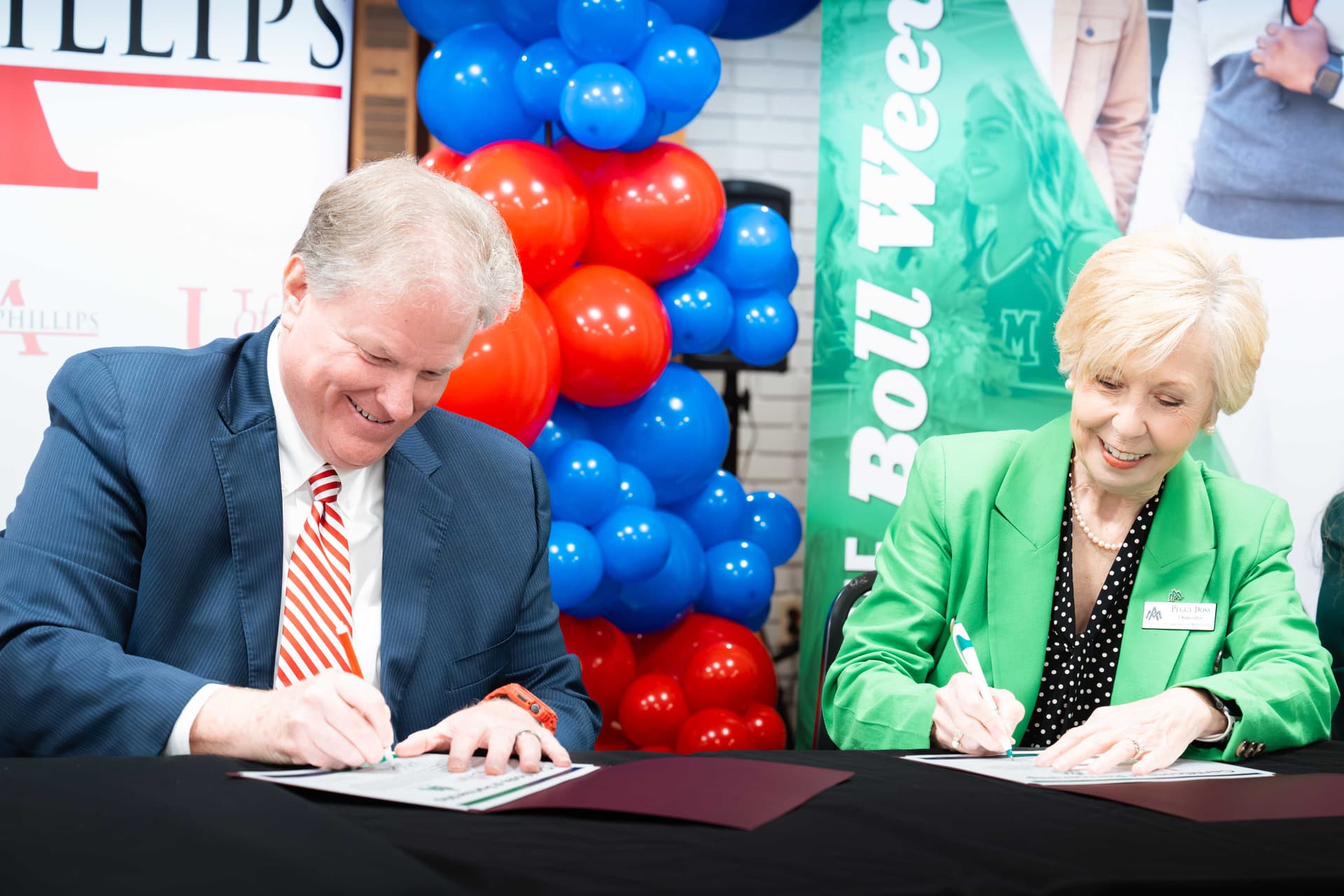
PCCUA expands workforce training across Helena and Delta region
Phillips Community College trains local residents for in-demand jobs in health care, trades, transportation and cybersecurity. Its Helena campus and partner sites offer programs and services that support local employers and workforce reentry.
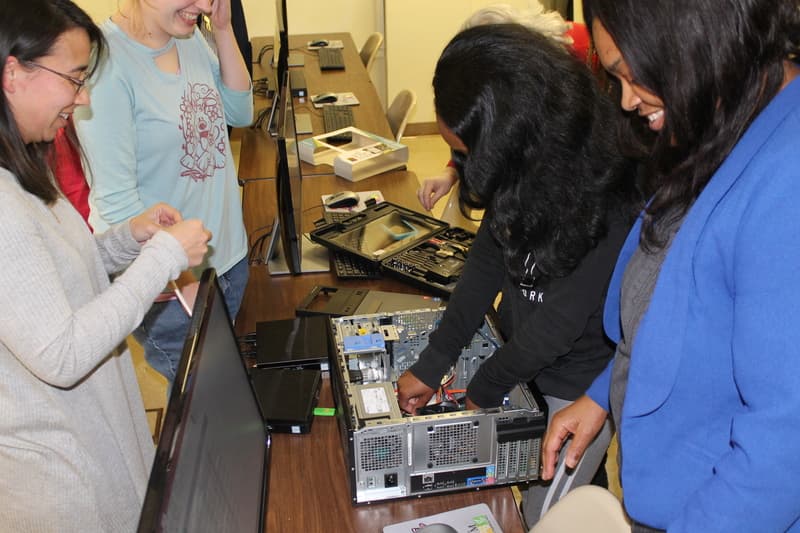
Phillips Community College of the University of Arkansas (PCCUA) operates a Helena-West Helena campus that serves Phillips County and the surrounding Delta region, alongside campuses in DeWitt and Stuttgart. The college offers a mix of transfer degrees, workforce certificates, skilled-trades training and health-professions programs designed to meet local employment needs and to create a pipeline into area jobs.
Key program areas at PCCUA include nursing and allied health, emergency medical services, CDL and truck-driving training, welding and HVAC, information systems and cybersecurity, plus business and general education tracks for students preparing to transfer to four-year universities. The college also runs adult-education offerings such as GED preparation and English as a Second Language, as well as career services and continuing education aimed at workforce reentry and employer upskilling.
For Phillips County, those program lines translate into practical options for residents seeking stable work in sectors that drive the local economy. Health-professions training supplies candidates to hospitals and clinics that have struggled nationwide to maintain staffing levels. CDL and truck-driving instruction responds to ongoing demand for drivers who move agricultural products and regional freight across the Delta. Welding, HVAC and other skilled-trades certifications support maintenance, construction and small-business needs in towns across the county.
PCCUA maintains active communication with the Helena community through campus news and event updates covering scholarships, leadership visits, athletics and public safety staffing announcements. Those updates serve both prospective students and local employers looking for graduates with specific credentials. The college also provides campus office and student-services contact information for residents seeking enrollment or support.

From a policy perspective, community colleges like PCCUA function as workforce-development anchors in rural areas. By offering short-term certificates alongside two-year degrees and adult-education services, PCCUA reduces barriers to employment for residents who need flexible training, while helping employers fill positions without lengthy recruitment cycles. Local officials and employers can leverage PCCUA’s continuing-education and career-services offerings to tailor training to specific business needs and to improve job retention in the county.
For residents considering training or looking to connect with campus services, PCCUA posts program lists, degree types, campus locations and adult-education hours on its official site at pccua.edu. As Phillips County seeks economic stability and growth, PCCUA’s mix of workforce training, transfer pathways and adult education will remain central to building local skills and supporting employers across the Delta.
Sources:
Know something we missed? Have a correction or additional information?
Submit a Tip