Pearls Stage Fashion Reentry, Designers Explore Baroque Forms and Mixed Metals
Designers are recasting pearls into modern baroque sculptures and mixed-metal rings, while large supplies of lower-priced cultured pearls are drawing a new generation to wear them.
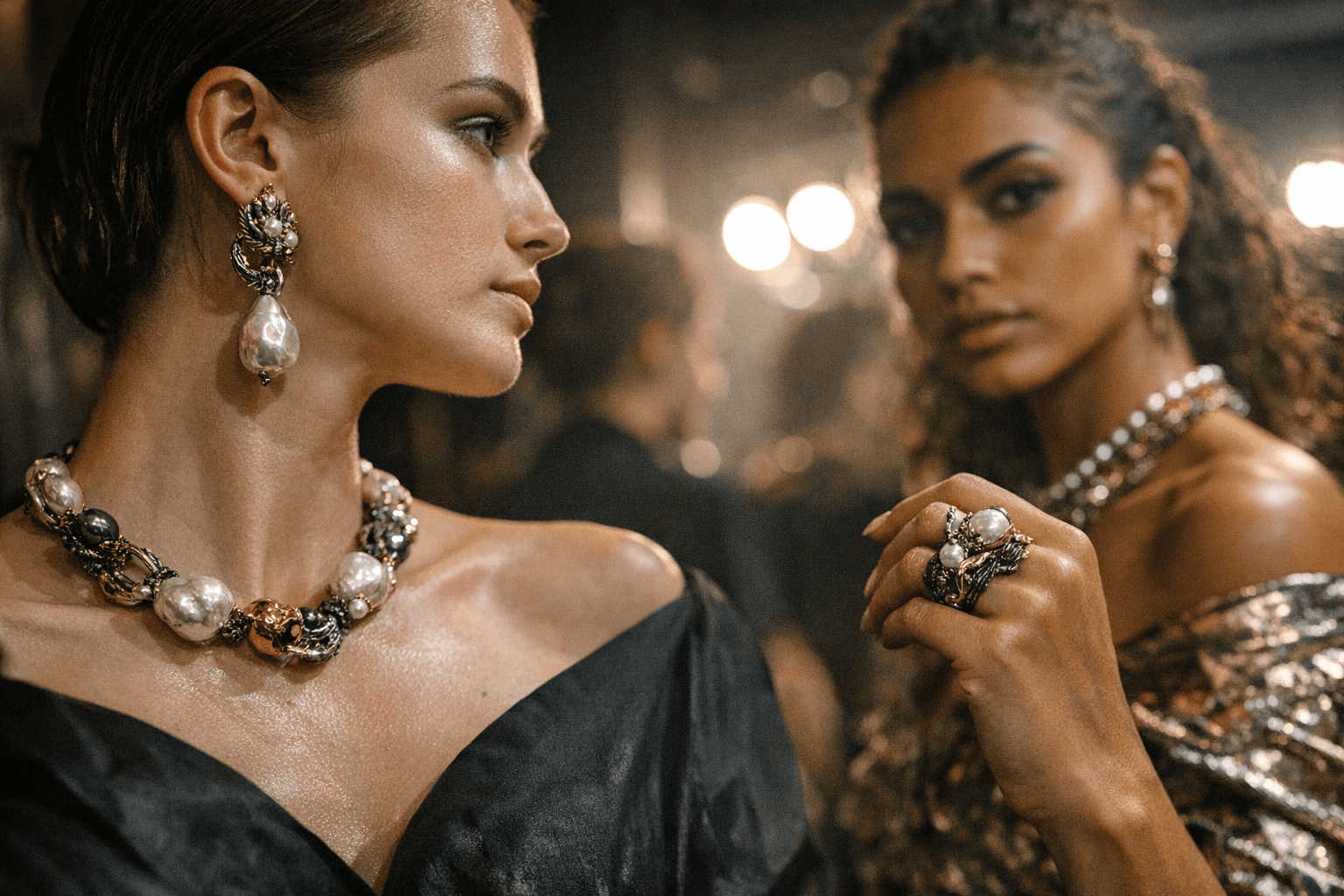
The multifaceted pearl is driving conversation across luxury and contemporary jewellery circles as designers test the gem’s versatility," a shift that has sent pearls well beyond the single-strand necklace into rings, sculptural pendants and mixed-metal combinations. Contemporary collections emphasize modern baroque forms, colour diversity and unconventional settings, with pearls appearing as centrepieces in pieces that read more like small sculptures than traditional gems.
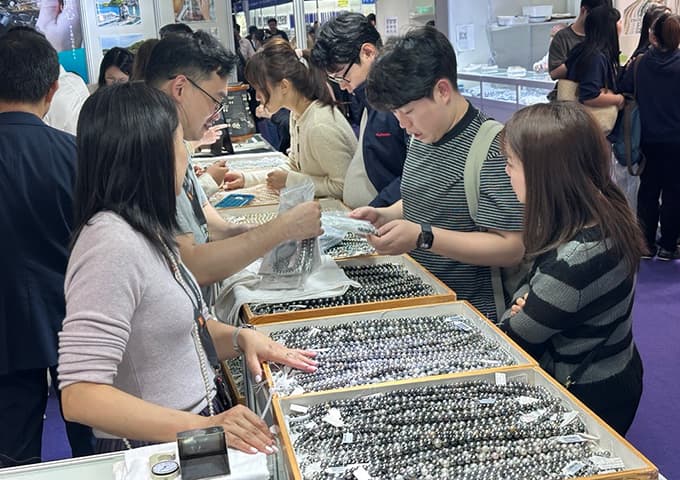
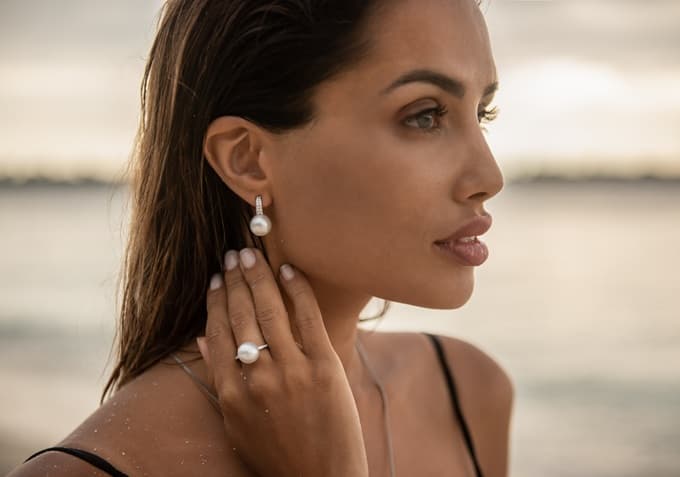
The momentum is reinforced by supply and demand dynamics. "Within the past decade, pearls have made a spectacular reentry into the fashion scene," and according to industry observers, "large quantities of lower-priced cultured pearls are now available to a new generation of young, eager consumers." High-fashion labels now offer an "astounding variety of pearl jewelry, including rings, pendants, and brooches," and necklaces, bracelets and chokers increasingly incorporate "lavishly jeweled clasps." Designers are also broadening the market: "Innovative pearl jewelry for men is also gaining popularity," moving pearls into menswear contexts from cufflinks to signet-like rings.
This contemporary moment sits on a long history of inventive uses. GEMS & GEMOLOGY materials from Summer 1985 and archival Cartier work show pearls and mother-of-pearl were woven into Deco-era luxury: "Seed pearls were woven into beaded evening bags, richly finished with gold clasps that were set with gems." Cartier in the 1920s popularized Deco clocks that used mother-of-pearl on pedestals and faces, and Egyptian- and Chinese-inspired motifs followed historical shocks such as the discovery of King Tutankhamen's tomb, which prompted objects "frequently of Egyptian design, intricately worked in contrasting colors and materials to look like miniature sarcophagi." Records from Cartier note a Neo-Renaissance mansion on Fifth Avenue and a necklace were both valued at $1.2 million in 1982, underscoring pearls' role in couture provenance.
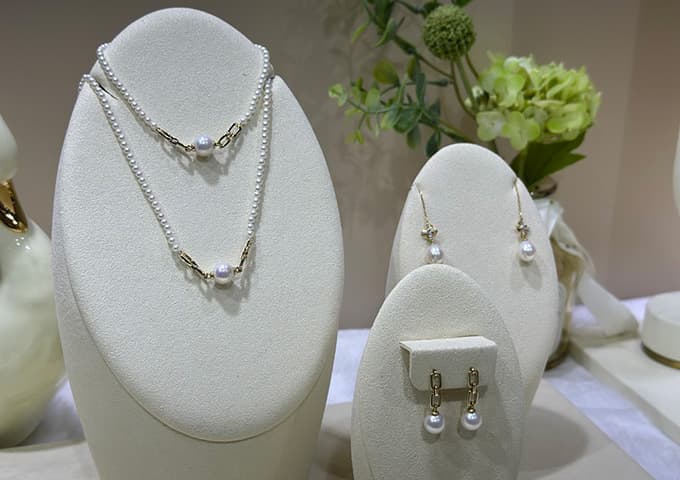
The technical backbone of the trend is the aquaculture that supplies most of today’s inventory. "The formation of freshwater pearls occurs when a mussel is implanted with a small piece of tissue. The mussel then produces a pearl sac around the tissue, which gradually fills with nacre, the same material that makes up the shell. Over time, this process results in a beautiful and lustrous pearl." That mechanism explains why freshwater cultured pearls are plentiful and affordable enough to populate layered necklaces, wire-wrapped gold-and-pearl chains, and the drop earrings designers are reimagining.
Styling authorities track both classic motifs and modern minimalism. "Throughout history, pearl jewelry has held profound symbolism," associated with purity, femininity and wealth, and contemporary fashion pages note that "elegant pearl jewelry has made an impressive resurgence in the world of fashion, gracing runways and red carpets." Practically, gold-and-pearl necklaces still "consist of a chain or strand onto which pearls are strung or wire-wrapped to create a pendant or other decorative element," while layered pearl necklaces and pearl drops remain staples for weddings and special occasions.
With historical precedent from the 1925 Exposition des Arts Dkcoratifs et Industriels and Cartier’s Deco innovations as backdrop, today’s reimagining of pearls—in baroque silhouettes, mixed metals and menswear—reads as a durable design evolution rather than a passing fad. Expect pearl work to continue shifting between ornament and architecture as designers exploit colour, texture and the accessible supply of cultured freshwater pearls to make the gem both familiar and newly avant-garde.
Know something we missed? Have a correction or additional information?
Submit a Tip