Pennsylvania measles outbreak grows as vaccination gaps hinder containment
Infants, immunocompromised residents and unvaccinated adults face the highest risk as Lancaster County’s measles outbreak climbs and vaccination coverage keeps slipping.
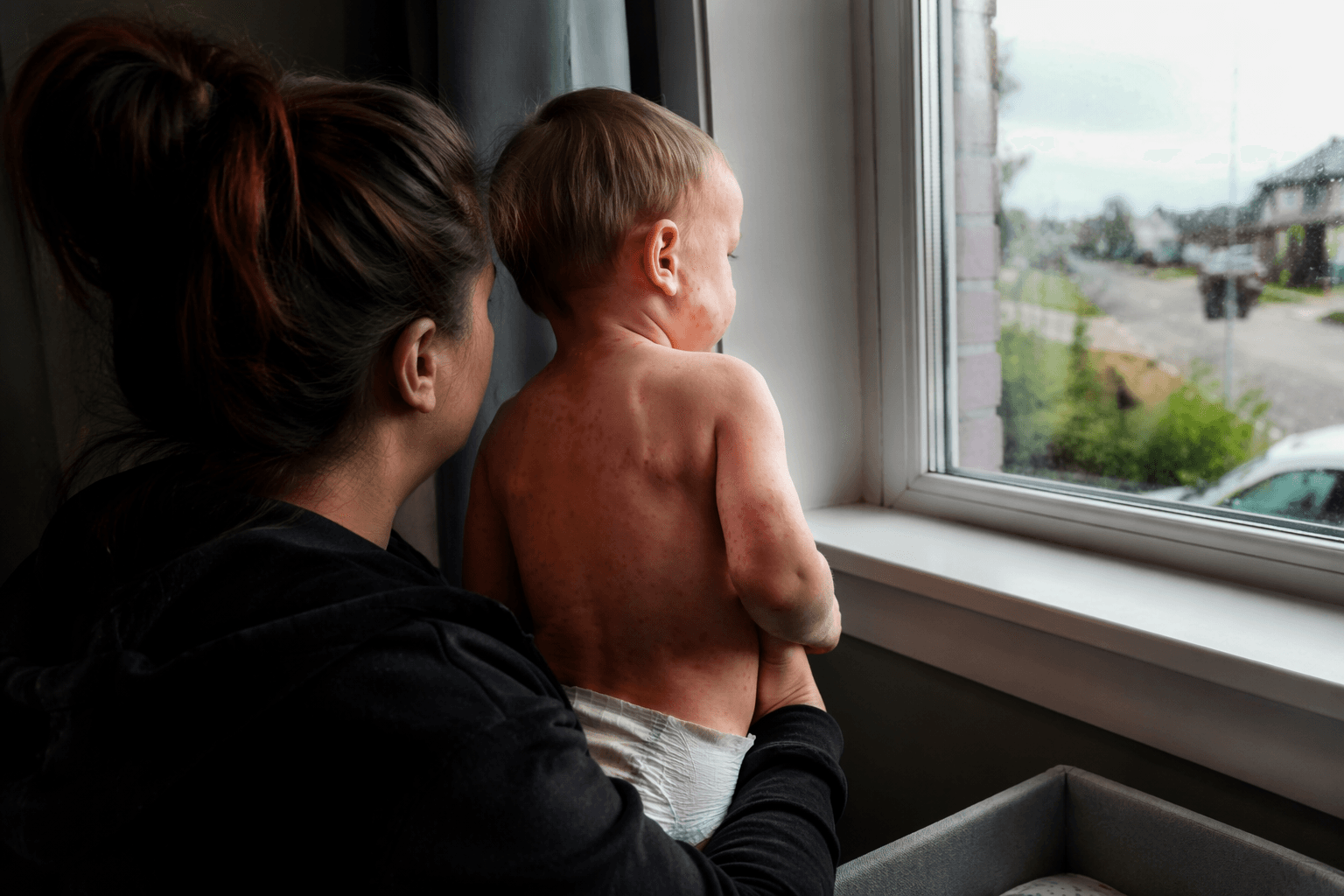
Infants, immunocompromised residents and unvaccinated adults are the people most exposed as Pennsylvania’s measles outbreak keeps widening through Lancaster County and into nearby counties. State officials counted about 70 cases in the Lancaster-Lebanon region by June 26 and 81 statewide by late June, after the first five infections were identified in Lancaster County on January 30.
That Jan. 30 alert marked Pennsylvania’s first measles cases of 2026 and its first outbreak of the year. The initial infections were found in school-aged children and young adults, and one case was travel-related rather than tied to the outbreak, a sign that the virus had multiple paths into the community even before it began spreading more broadly.
Since then, the outbreak has moved beyond Lancaster County and into York and Northumberland counties, while exposures have been tracked in public places across the region. Health leaders have warned that the disease is especially dangerous for babies, young children and unvaccinated adults, and recent adult cases in Lancaster were serious enough that some patients needed inpatient treatment.
Measles remains difficult to stop once it is circulating. The virus can stay airborne for up to two hours after an infected person leaves a room, and as many as 9 out of 10 susceptible close contacts can become infected. That level of contagiousness makes every missed vaccine and every delayed diagnosis more consequential for schools, clinics, workplaces and households.

The clearest weakness has been vaccination coverage. Lancaster County kindergarten MMR rates fell from 93% in 2020-21 to 89% in 2024-25, well below the 95% threshold generally needed for herd immunity. Pennsylvania’s statewide kindergarten coverage also dropped from 95.5% to 93.7% over six years, leaving more communities vulnerable to sustained spread.
State health officials have tried to blunt the outbreak with more shots and faster training. Pennsylvania said it administered more than 1,300 measles vaccines in 2026, including more than 430 doses at pop-up clinics in the Lancaster-Lebanon region. The state also said it educated more than 1,000 health care providers statewide to improve measles diagnosis and treatment.
Officials have urged early MMR vaccination for infants starting at 6 months in affected areas, an extra layer of protection for babies who are too young for the routine schedule. Two doses of MMR or MMRV provide about 97% lifetime protection, but the outbreak has shown how quickly measles can exploit the gap between that protection and the actual vaccination levels in Lancaster County.
This article was produced by Prism’s automated news system from verified source data, official records, and press releases, then run through automated quality and moderation checks before publishing. The system is built and supervised by the people who set the standards it runs under. Read our full AI policy.
Did this article answer your question?