Pentagon announces seventh U.S. death after attack on Saudi base
The Pentagon says a U.S. service member died from injuries after an attack on a Saudi military base, marking the seventh American fatality in the conflict with Iran.
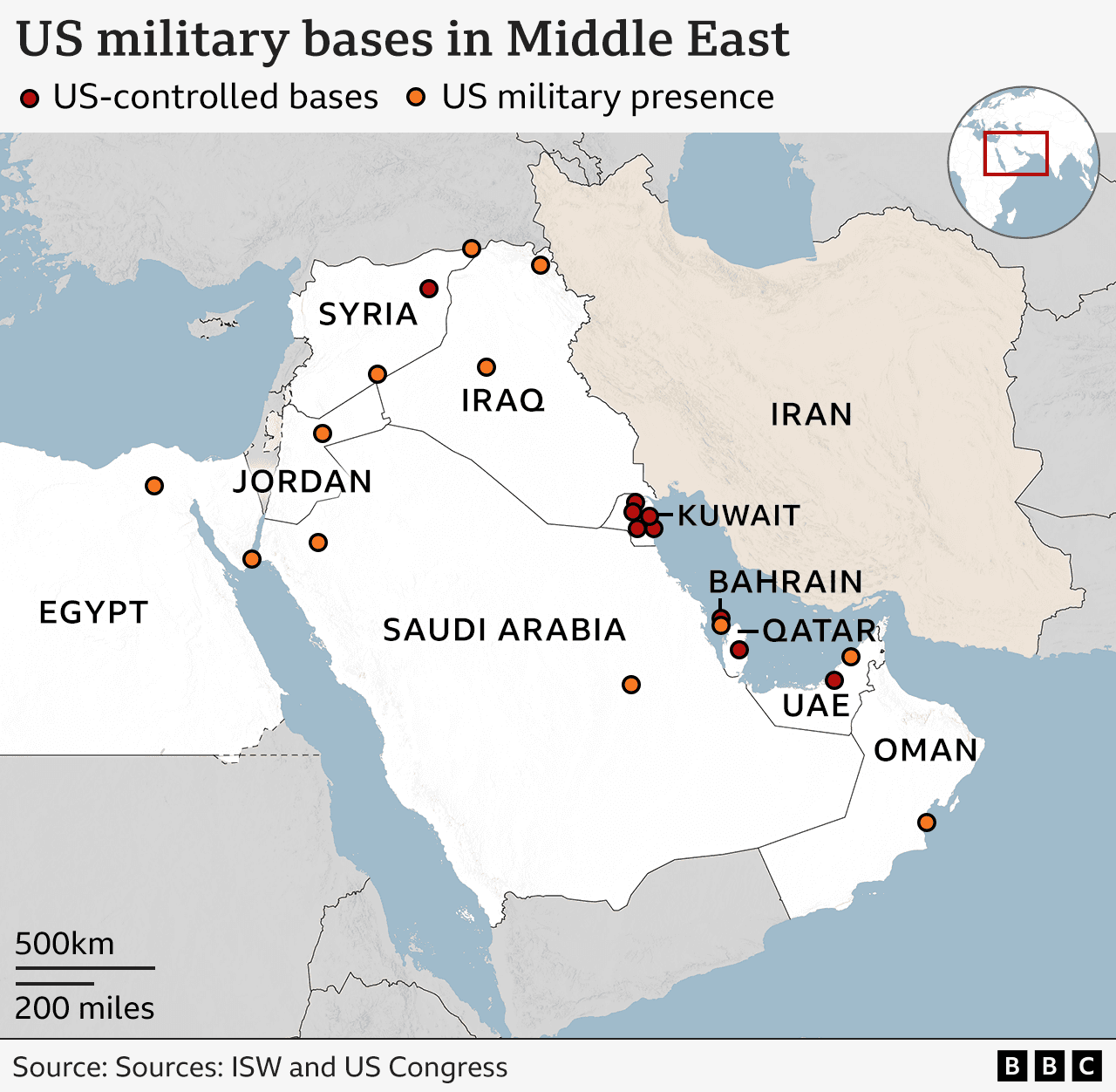
The Pentagon announced that a U.S. service member has died from injuries sustained during an attack on a Saudi military base, the seventh American fatality in the conflict with Iran, U.S. Central Command said. The service member has not been publicly identified as officials said they are notifying next of kin.
The announcement sharpens attention on the human cost of a widening regional confrontation and on the systems that care for wounded troops. The death follows an attack that U.S. Central Command described as directed at a Saudi facility where American personnel were operating in support of regional defense. Details about the nature of the strike and the medical care provided before the death were not disclosed.
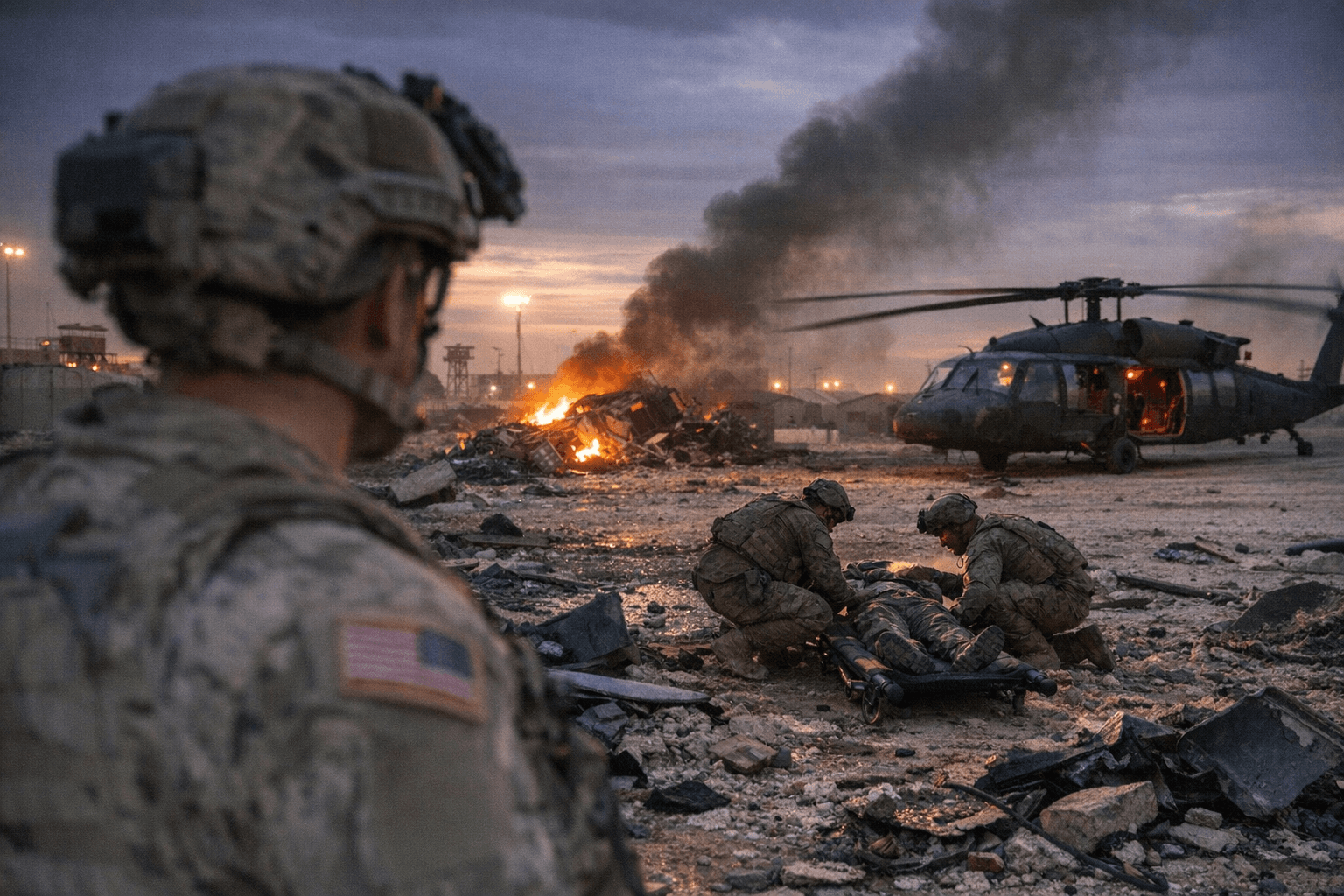
The casualty exposes persistent vulnerabilities in force protection, medical evacuation and trauma care chains when combat occurs on allied soil. Rapid access to life-saving measures such as blood transfusion, surgical care and evacuation can determine whether a service member survives catastrophic injuries. In this case, those interventions were evidently insufficient to prevent death, underscoring the limits of even advanced military medicine when confronted with high-velocity attacks.
Beyond the battlefield, the death will reverberate through military families and communities that disproportionately bear the burden of combat service. Service members come from a range of socioeconomic backgrounds; for many families the military provides stable pay and health benefits while also exposing members to acute risk. Each loss triggers long-term needs for survivors and dependents: survivor benefits, ongoing health care, and mental health services that often fall to an already strained Department of Veterans Affairs and military health system.
Hospitals and clinics in the Gulf, including host-nation facilities that initially treat casualties, face their own public health strains during periods of heightened conflict. Local emergency departments can be overwhelmed by mass-casualty incidents, and the availability of critical care transports can be limited when airspace is contested. Civilian populations near military sites also face secondary health risks from disrupted services and infrastructure damage.
Policy makers in Washington now confront pressure to reassess force posture, rules of engagement and protection for American personnel stationed overseas. The cumulative toll of seven U.S. deaths adds political weight to debates in Congress about funding for force protection measures, the authorization and oversight of military operations, and how to calibrate steps to deter further attacks without escalating the conflict.
This casualty will also test administrative practices around casualty notification, benefits delivery, and mental health support for grieving communities. Timely, transparent communication from the Pentagon matters not only for next of kin but for public trust; delays or opaque reporting can deepen the anguish families and communities experience.
As the Pentagon and U.S. Central Command prepare any further operational response, the immediate consequence is personal: another family has lost a loved one and another cohort of service members will confront the emotional and logistical fallout of a colleague’s death. The death highlights systemic questions about how the nation protects and cares for the people it sends abroad and how military and public health systems adapt when warfare reaches allied territory.
This article was produced by Prism’s automated news system from verified source data, official records, and press releases, then run through automated quality and moderation checks before publishing. The system is built and supervised by the people who set the standards it runs under. Read our full AI policy.
Did this article answer your question?

