Pentagon plans framework for 10,000 low-cost containerized missiles
The Pentagon is betting on shipping-container missiles that two soldiers can deploy in under 30 minutes, with more than 10,000 planned across four firms.
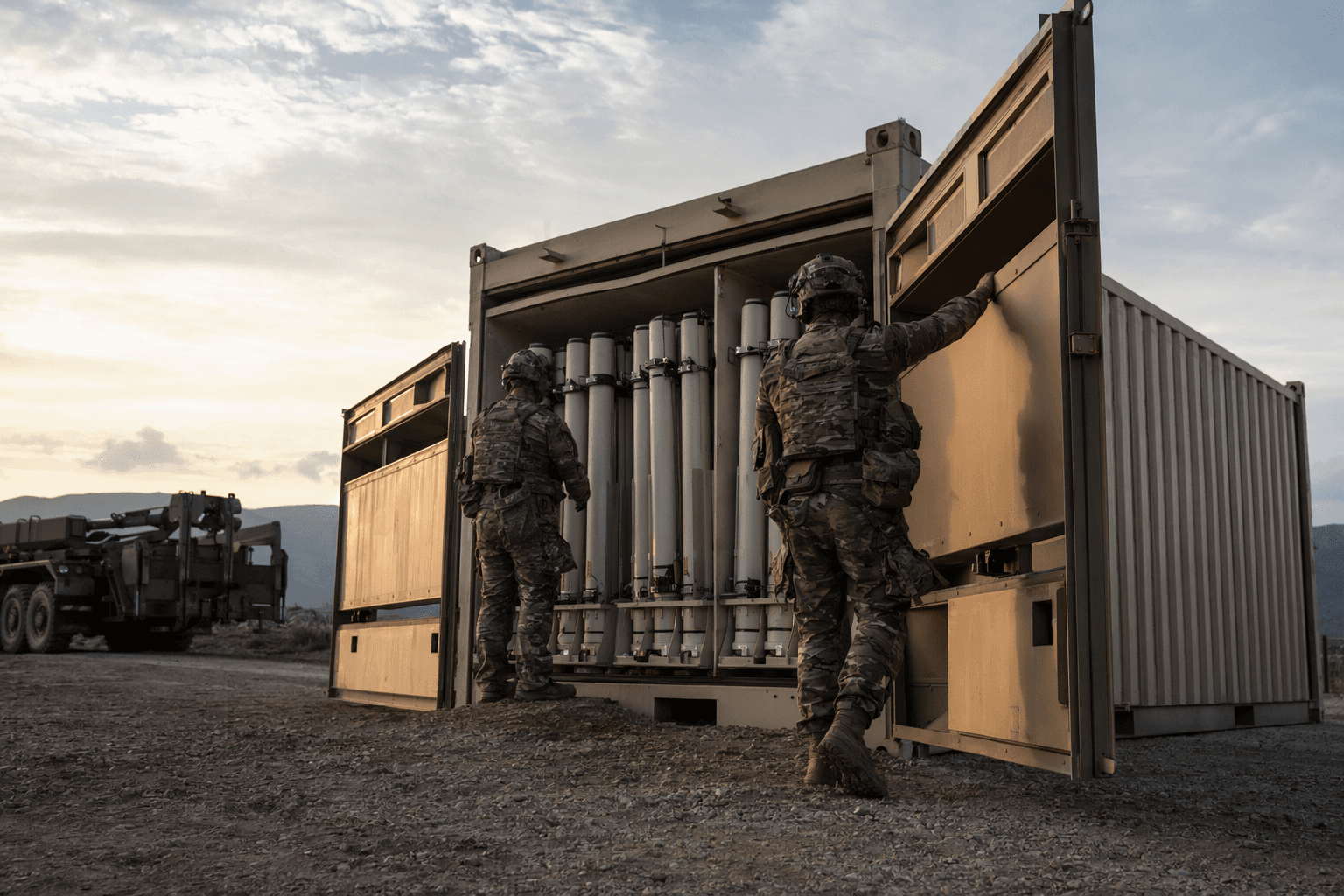
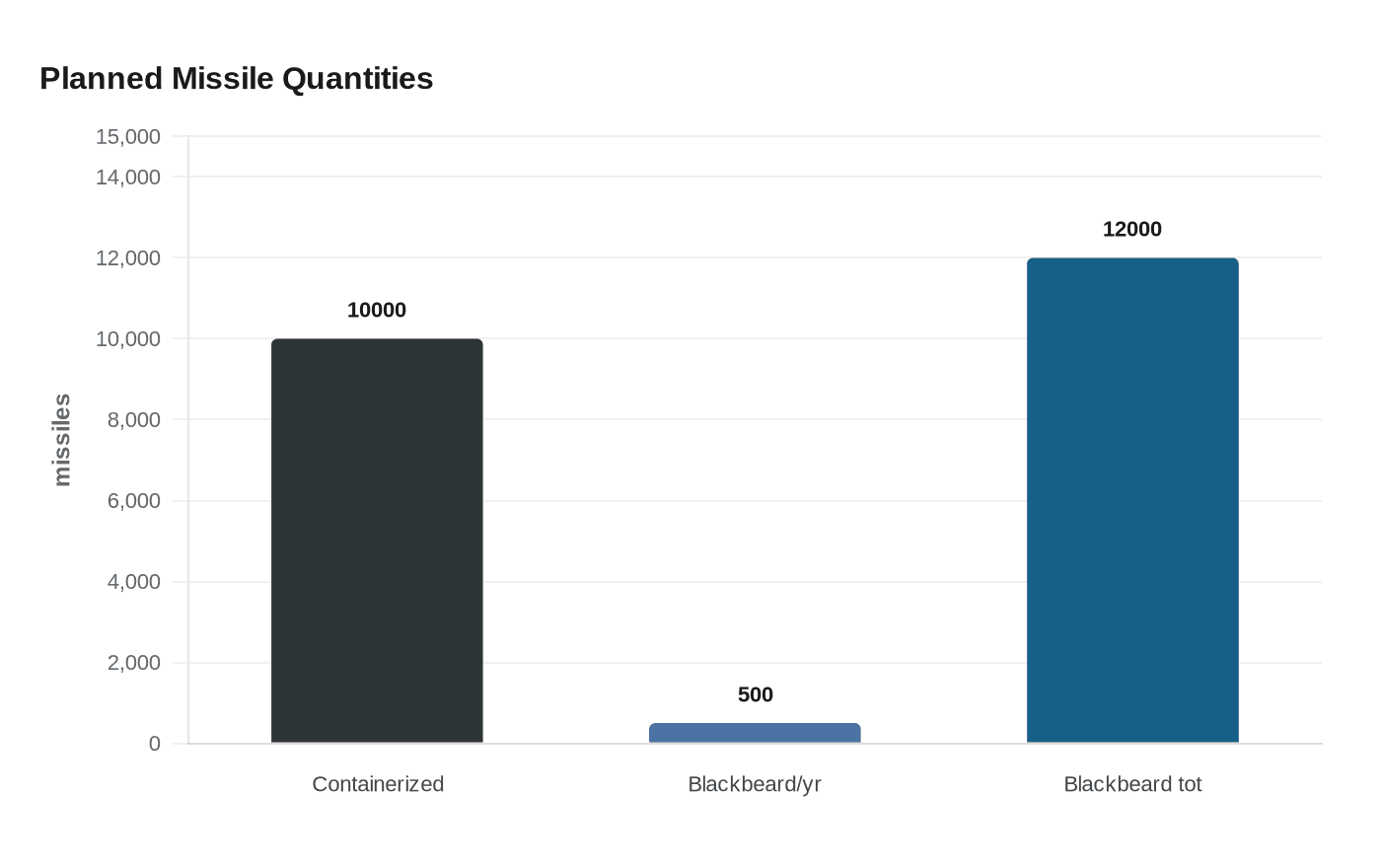
The Pentagon is preparing a framework that could put more than 10,000 low-cost containerized missiles on contract over the next three years, a sharp sign that the U.S. military wants strike weapons it can buy in volume, hide in plain sight and move quickly. The agreements with Anduril, CoAspire, Leidos and Zone 5 would launch the Low-Cost Containerized Munitions program, with test missiles set to be bought from all four companies in June and production lots built around firm-fixed material-unit costs for 2027 through 2029.
The appeal is not simply cheaper missiles. The Army has spent years pushing the idea of containerized weapons as a low-cost, mobile launch option that can be deployed from a standard ISO Tricon shipping container. In the Army’s design, two soldiers can get the system into action in less than 30 minutes, remotely operating it from as far as 1,000 meters away. That gives commanders a way to spread firepower across forward operating bases, entry control points, airfields, embassies and naval assets without the footprint of a traditional launcher. The concept fits a war in which fixed sites are easier to target, whether in Ukraine, the Red Sea or a future Pacific fight where long distances and dense missile defenses punish slow, visible logistics.
A separate agreement with Castelion shows how far the Pentagon is willing to push the same logic. The deal would seek a two-year contract for at least 500 Blackbeard hypersonic missiles a year after testing and validation, with the broader goal of buying more than 12,000 over five years. Castelion said its framework would guarantee at least 500 missiles annually after testing, and the company’s privately funded $250 million Project Ranger campus in New Mexico is expected to produce thousands of missiles a year by the end of next year. The company also won a $105 million Navy contract on April 24 to integrate Blackbeard on F/A-18 carrier aircraft.
Michael Duffey, who became undersecretary of defense for acquisition and sustainment on June 6, 2025, now oversees more than $300 billion in annual procurements and about 190,000 acquisition personnel. Emil Michael has said the firms are being asked to deliver on time and on cost. The pressure comes as Gen. Dan Caine told lawmakers on April 29 that the fiscal 2027 budget will include more than $26 billion for multi-year procurement contracts for critical munitions, meant to steady demand and let industry expand production lines.
The move also builds on earlier work. In March 2021, the Pentagon said its Low-Cost Cruise Missile effort had already transitioned core technologies into follow-on programs, including the Coyote Block III air vehicle, a launcher developed with Raytheon Missiles & Defense, an autonomy module and a jam-resistant datalink. Flight tests and operational demonstrations had already been flown in 2018 and 2019 at Yuma Test Proving Grounds. The new framework suggests the same lesson now has the Pentagon’s full attention: in the next war, quantity, affordability and manufacturing speed may matter as much as the weapon itself.
This article was produced by Prism’s automated news system from verified source data, official records, and press releases, then run through automated quality and moderation checks before publishing. The system is built and supervised by the people who set the standards it runs under. Read our full AI policy.
Did this article answer your question?