Pentagon probe points to U.S. munition in Iran school strike
The Pentagon has stayed largely silent for two months after a girls’ school in Minab was struck, even as early findings point to an American munition.
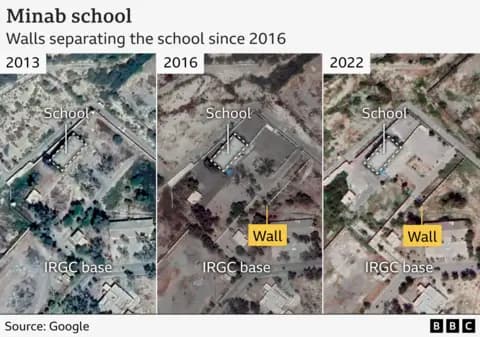
The Pentagon has spent two months saying only that it is investigating the strike on a girls’ elementary school in southern Iran, even as preliminary military findings point toward an American munition and a failure of target verification. The attack hit the Shajareh Tayyebeh girls’ elementary school in Minab, Hormozgan province, on Feb. 28, 2026, the opening day of the U.S.-Israeli war on Iran.
What makes the silence so consequential is the gap between what the military is saying publicly and what its own early assessment appears to show. Multiple reports indicate that outdated intelligence may have led the strike team to believe the site was still a military target, even though the school had once been part of an Islamic Revolutionary Guard Corps compound and was later separated from it by a wall. Historical satellite imagery suggests that separation happened sometime between 2013 and 2016. The Pentagon has not publicly finalized responsibility, but on March 13 it said it had elevated the investigation after media reports suggested U.S. forces were likely responsible.
The human toll remains staggering. Iranian officials and other reports have put the death toll at roughly 165 to 175 civilians. Some accounts say more than 170 people were killed, including about 168 children, many of them schoolgirls ages 7 to 12. The scale of the deaths has sharpened the stakes for a Pentagon review that is expected to take months and include interviews with planners, commanders and the personnel who carried out the strike.
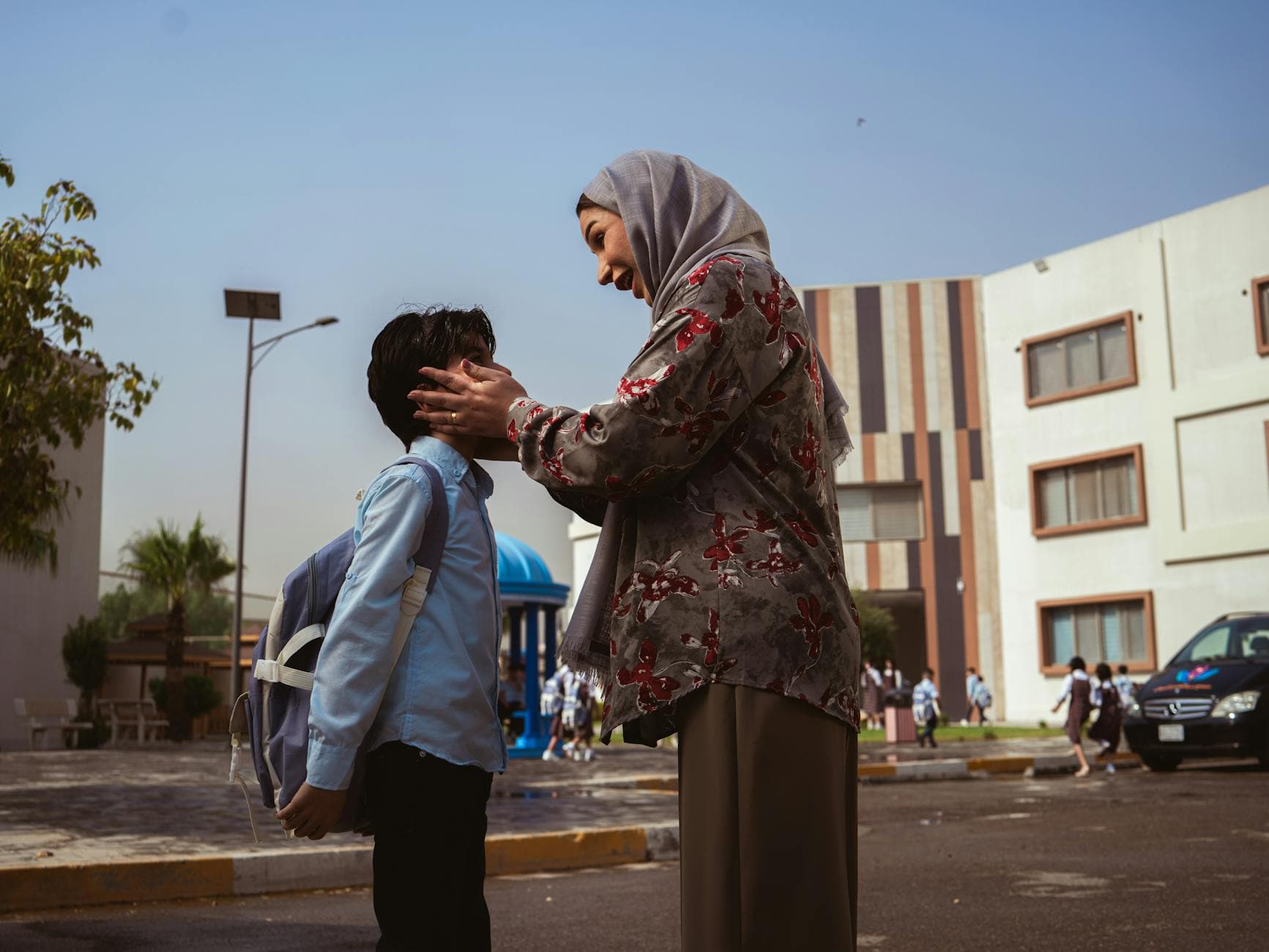
Pressure on Defense Secretary Pete Hegseth has mounted in Washington. More than 120 Democratic members of Congress sent him a letter on March 12 asking whether the attack should be investigated as a possible war crime and whether artificial intelligence, including Maven Smart System, played any role in target selection or legal review. The lawmakers demanded answers on why the site was chosen and how the strike was approved.
Amnesty International said on March 16 that evidence indicates the school building was directly struck, along with 12 other structures in an adjacent IRGC compound. The group said the attack may reflect a failure to take all feasible precautions and called for an investigation that is impartial, independent, transparent and made public.
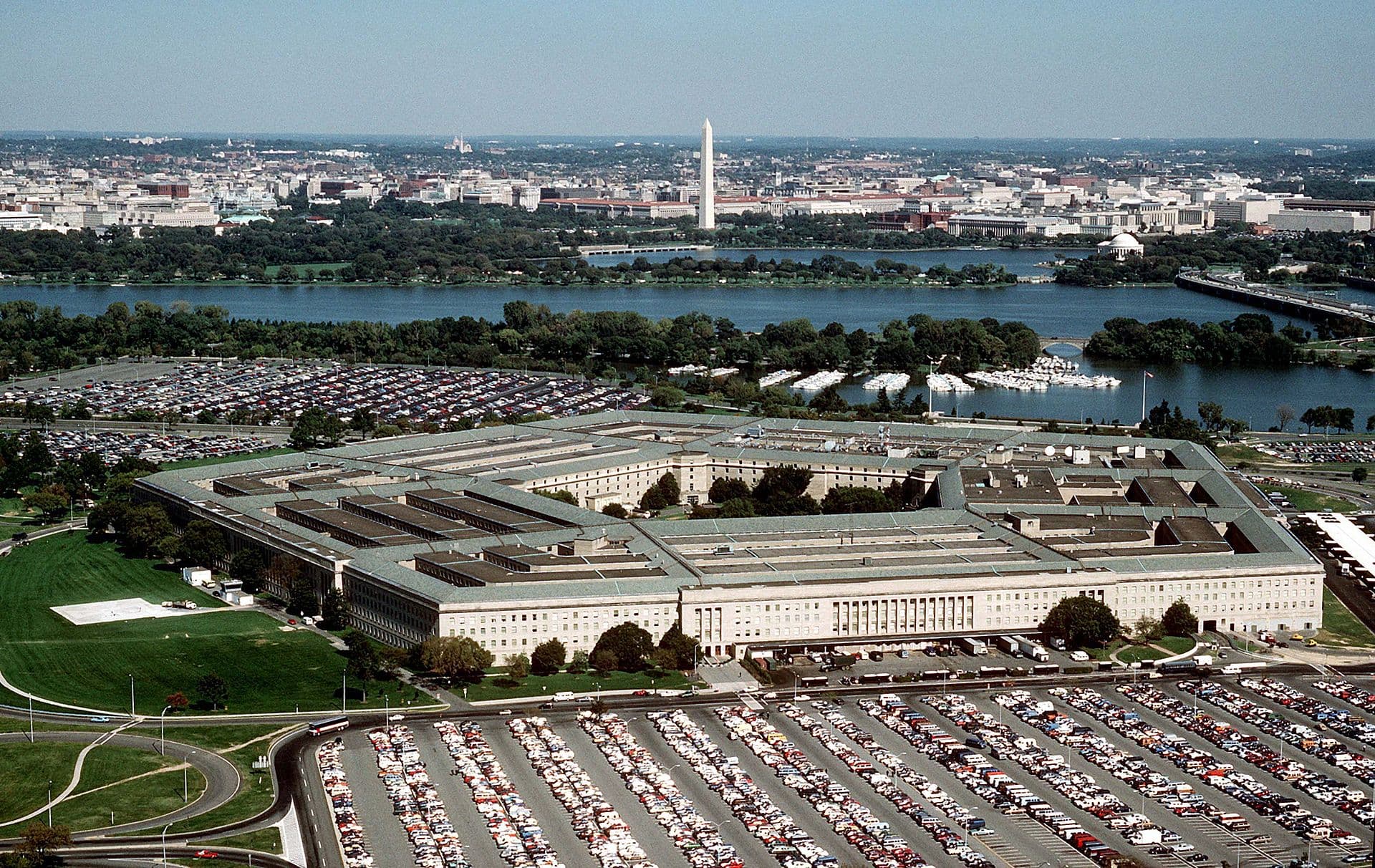
The broader institutional backdrop is no less troubling. Civilian-harm offices inside the Pentagon have been sharply reduced, with personnel focused on civilian casualties cut from about 200 to fewer than 40, and Central Command’s civilian-casualty team reduced from 10 people to one. That contraction has deepened doubts about whether the military has the capacity, and the will, to explain what happened in Minab and reckon publicly with the civilians killed there.
This article was produced by Prism’s automated news system from verified source data, official records, and press releases, then run through automated quality and moderation checks before publishing. The system is built and supervised by the people who set the standards it runs under. Read our full AI policy.
Did this article answer your question?

