Pentagon releases first batch of declassified UFO files publicly
The Pentagon opened its first public batch of declassified UFO files, but officials urged the public not to read more into the papers than the record supports.
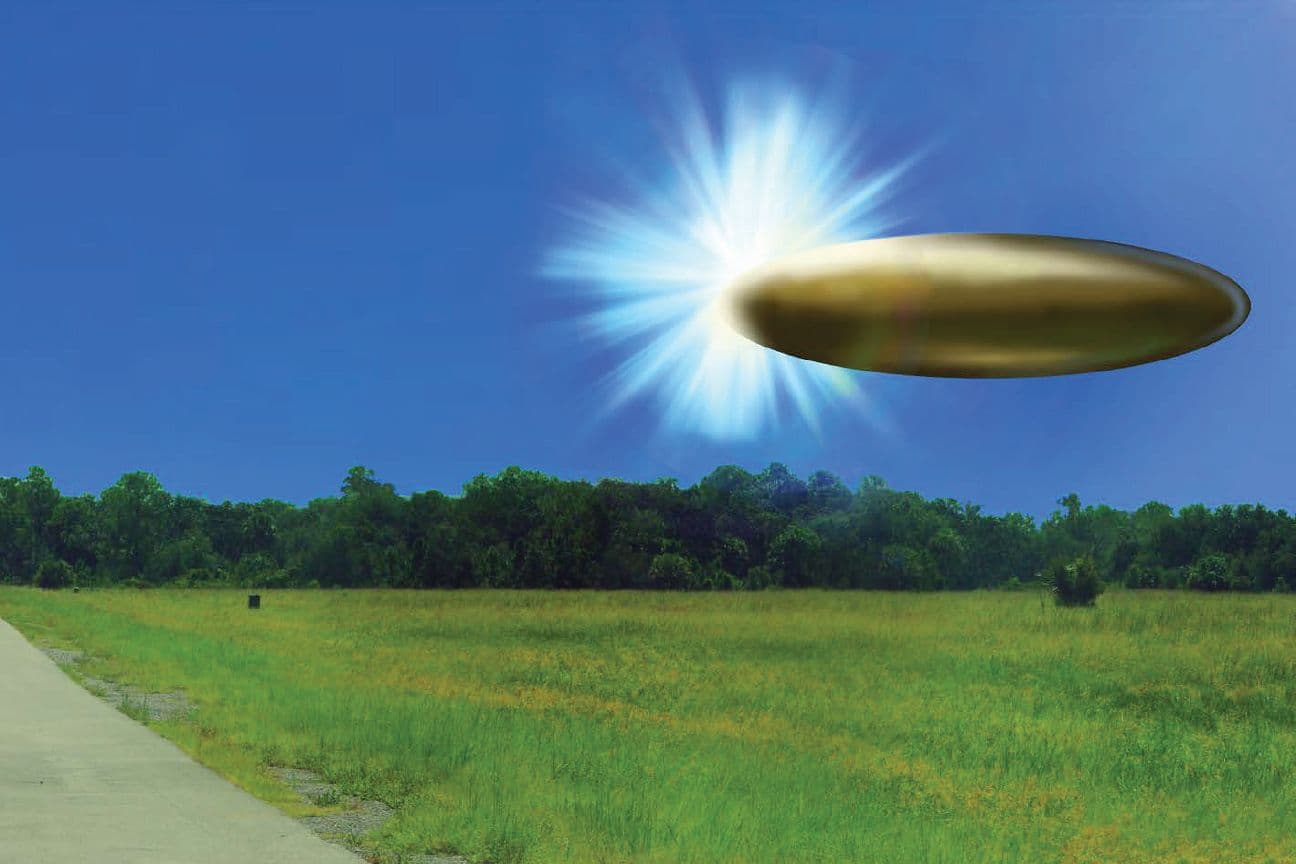
The Pentagon opened a new public archive of declassified UFO files Friday, but officials paired the release with a warning against turning incomplete records into certainty. The first tranche is part of a broader Pentagon and National Archives effort to make unidentified anomalous phenomena, or UAP, records public, and officials signaled that more files could follow.
The release is being presented through a new Pentagon website, and the Defense Department has framed the material as something viewers should examine for themselves. That approach matters because transparency without context can invite speculation, especially in a field where the government has already acknowledged that many reports remain unresolved.
The National Archives has set up Record Group 615 for UAP records under the 2024 National Defense Authorization Act and says it will keep adding agency records on a rolling basis. The DoD inspector general’s unclassified summary, issued January 24, 2024, said the review was meant to assess how the military services and the Defense Department handle UAP detection, reporting, collection, analysis and response, with flight safety and changing technology among the concerns.
That official record also shows how long the government has been studying unexplained sightings. The All-domain Anomaly Resolution Office was established on July 20, 2022, and its historical report traced U.S. investigations back to Project SIGN in 1948 and Project BLUE BOOK from 1952 to 1969. AARO’s Fiscal Year 2024 consolidated report, with an information cut-off of June 1, 2024, highlighted recurring themes including flight safety and observations near U.S. nuclear infrastructure, weapons and launch sites.
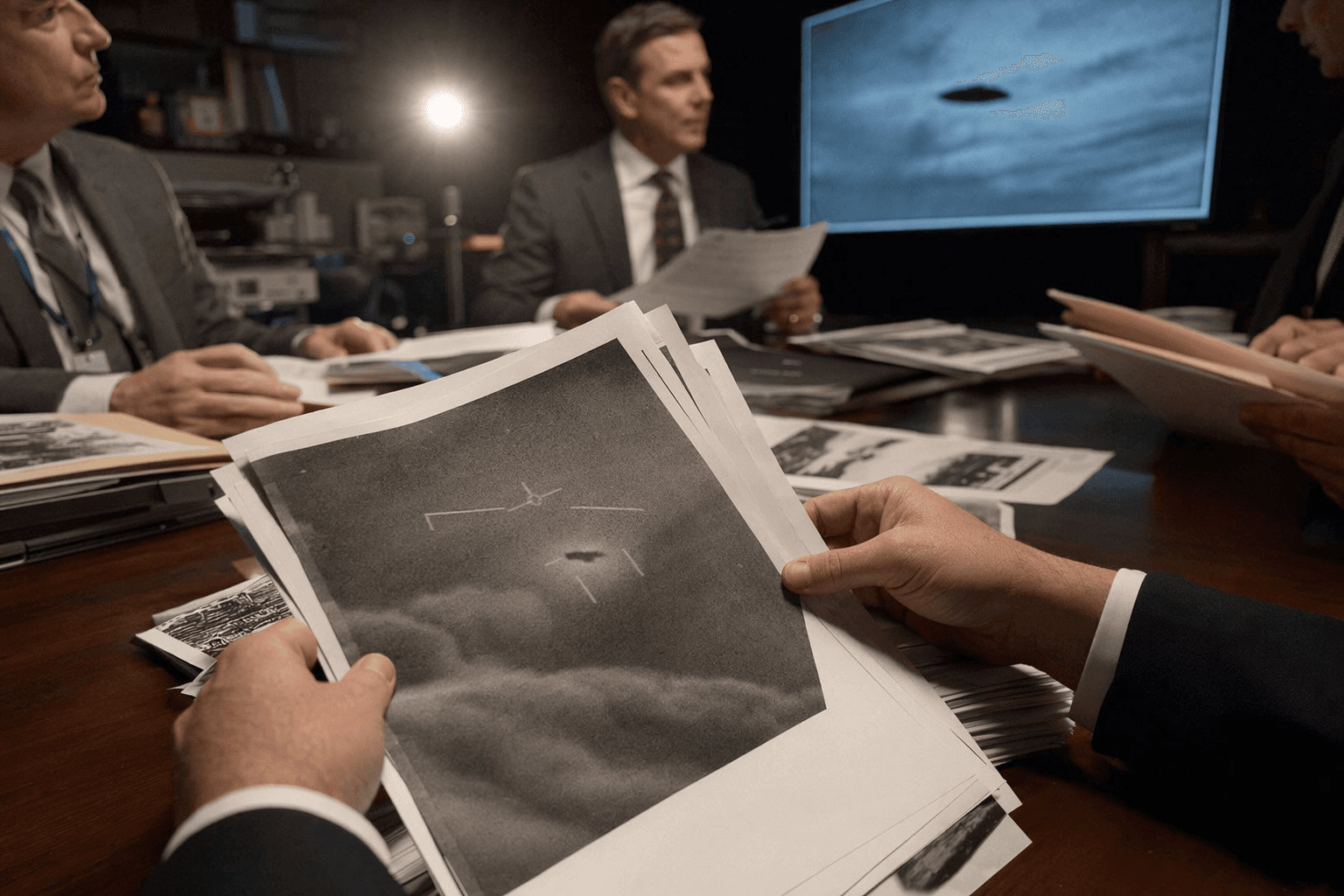
For many readers, the most recognizable case remains the November 14, 2004 encounter involving Lt. Cmdr. Alex Dietrich and Cmdr. David Fravor. The Navy pilots were training with the USS Nimitz Carrier Strike Group about 100 miles southwest of San Diego when they observed a white, wingless object that became known as the Tic Tac case. Even after years of public debate, the object has not been definitively identified.
That uncertainty is why the latest release is less about proving a theory than about setting a standard. The documents show how the government is cataloging anomalous reports, but they do not fill every gap with answers. In a climate where ambiguous evidence can quickly become misinformation, the strongest finding may be the most restrained one: the record is being opened, but the mystery is still being documented rather than solved.
Know something we missed? Have a correction or additional information?
Submit a Tip