Pentagon restores flu shots for some troops after Texas outbreak
A Texas flu outbreak sickened at least 222 recruits and hospitalized four, forcing the Pentagon to restore shots for some troops after making them voluntary in April.
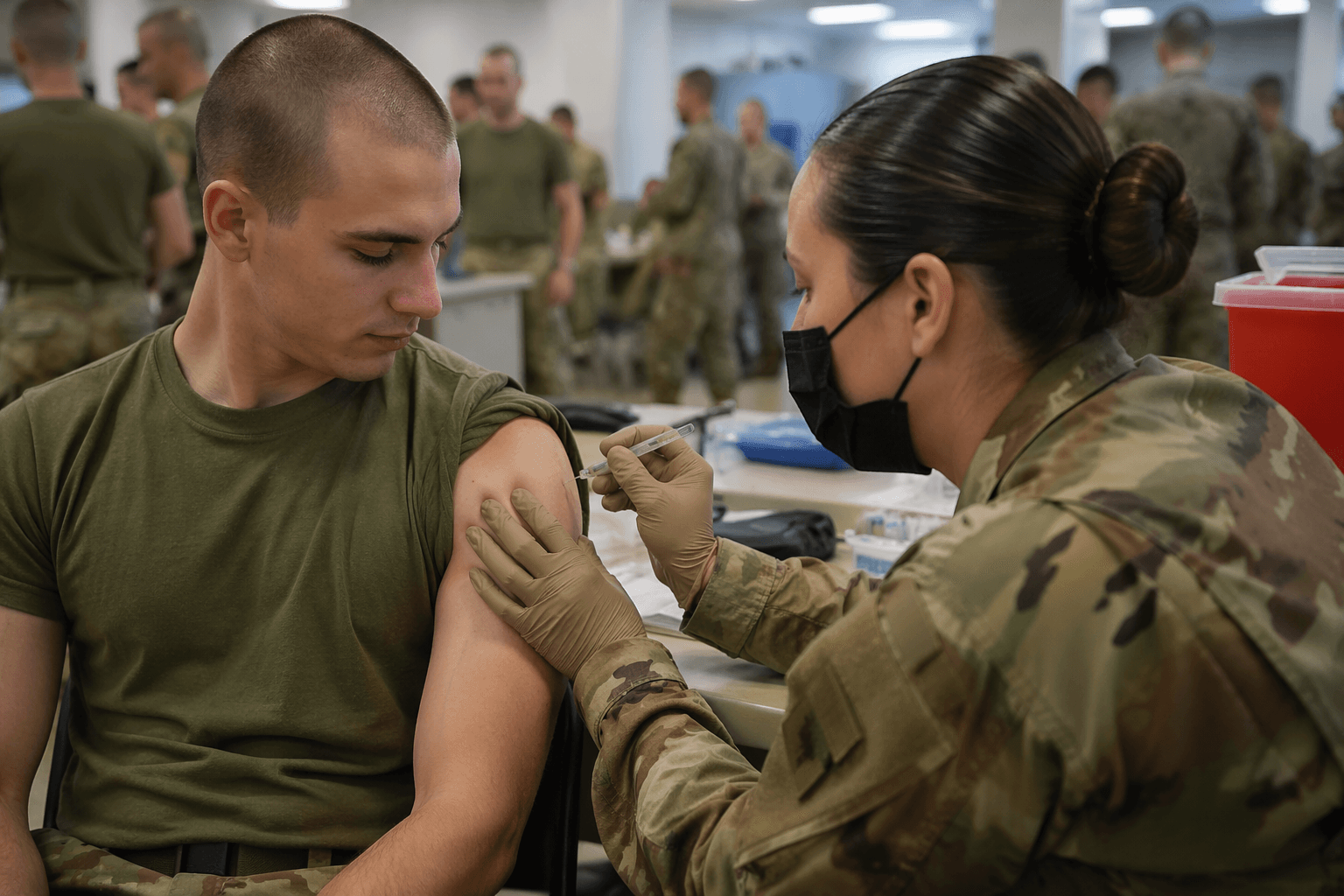
The Pentagon restored flu shots for some troops after an outbreak at Joint Base San Antonio-Lackland sickened at least 222 recruits and hospitalized four, forcing a sharp exception to a policy that had made the annual vaccine voluntary for all service members. The waiver covered the Army, Navy and Air Force, along with the National Security Agency and the Defense Health Agency.
The outbreak struck one of the military’s most sensitive training pipelines, where recruits live and drill in close quarters and respiratory viruses can move fast through barracks and classrooms. Air Force officials said the illness had been spreading for about three weeks by June 22, turning a seasonal virus into a manpower problem at Air Force Basic Military Training in San Antonio, Texas.
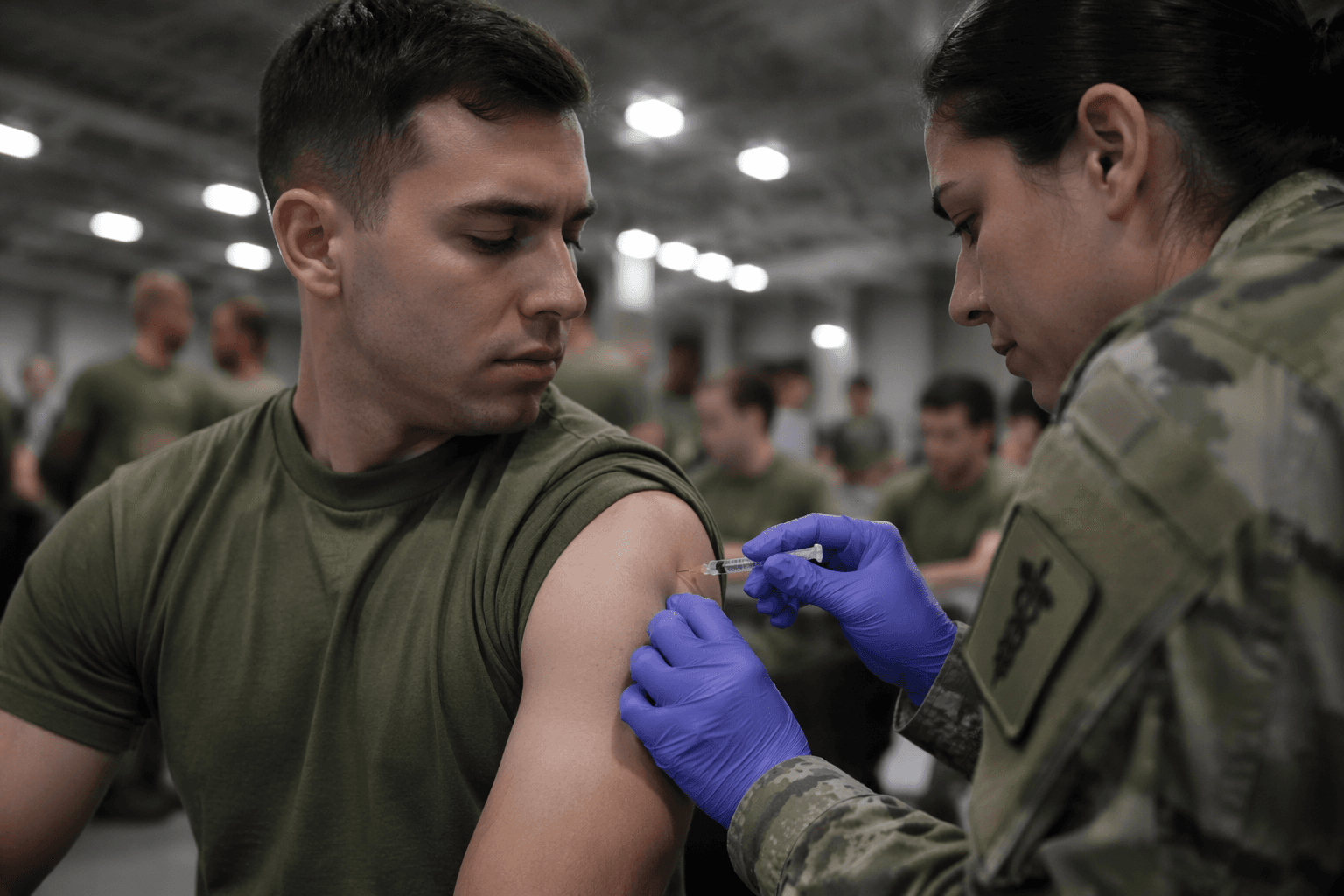
Defense Secretary Pete Hegseth had ordered on April 21 that annual flu shots become voluntary for all active-duty and reserve personnel, as well as Department of War civilian employees. The Air Force asked for an exception on April 29, and a June 16 memo on the change circulated before the policy shift became public. The Defense Health Agency’s guidance kept a narrower mandate in place, requiring health-care personnel and anyone working with DHA patients to remain vaccinated.
The reversal carried extra weight because annual flu shots had been required for U.S. service members since the 1950s. Military reporting has long treated that requirement as part of basic force protection, especially in training environments where outbreaks can sideline recruits, slow graduations and disrupt unit throughput before new personnel ever reach operational units.
The outbreak has also reopened a wider policy fight inside the Pentagon. Public-health experts had warned that making flu vaccination optional could leave trainees and the broader force vulnerable during peak flu season, and critics pointed to Lackland as a concrete example of what can happen when a preventable virus spreads through a dense training base. Rep. Joaquin Castro publicly cited the rising case count as the outbreak grew.
Military and local reports said the count reached at least 222 by June 18 to June 22, with some accounts putting it as high as 275. The Pentagon’s exception suggests leaders are willing to carve out vaccine requirements when illness threatens readiness, even as the broader policy remains loosened for other personnel.
This article was produced by Prism’s automated news system from verified source data, official records, and press releases, then run through automated quality and moderation checks before publishing. The system is built and supervised by the people who set the standards it runs under. Read our full AI policy.
Know something we missed? Have a correction or additional information?
Submit a Tip