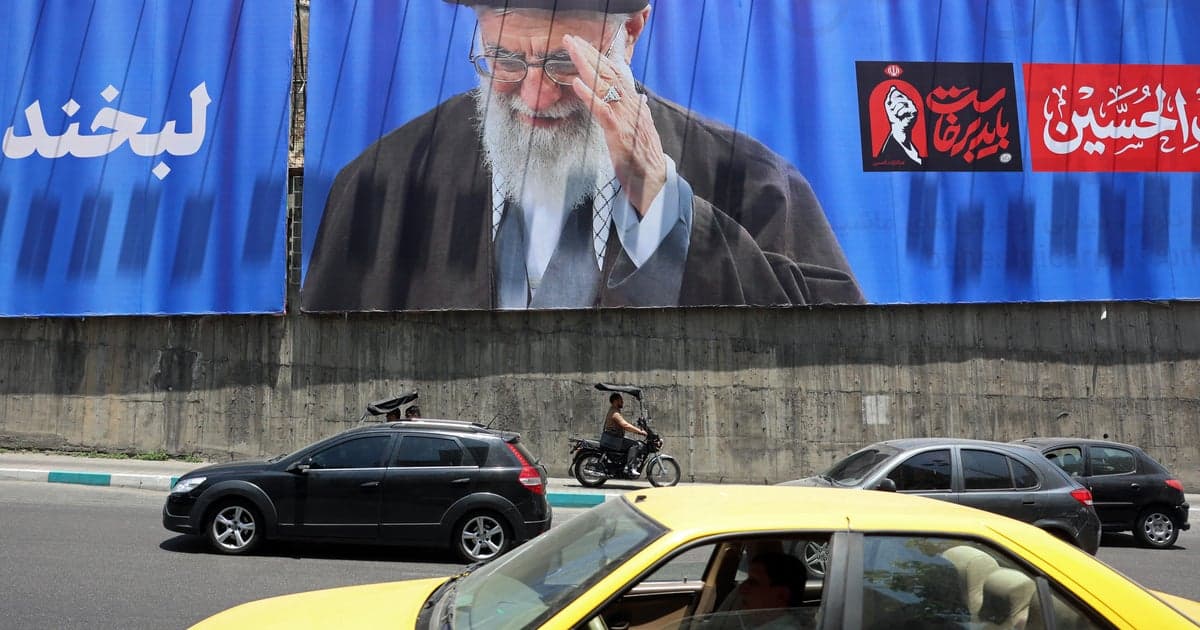
Pentagon to withdraw 5,000 US troops from Germany amid Iran dispute
Pentagon said it would pull 5,000 troops from Germany, a move that cuts the U.S. force there to about 33,000 and deepens a feud over the Iran war.
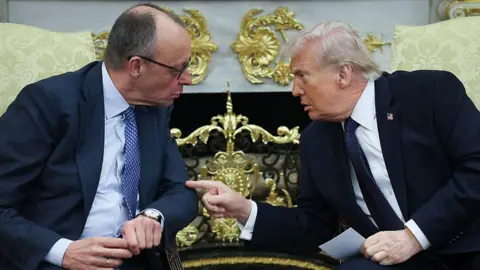
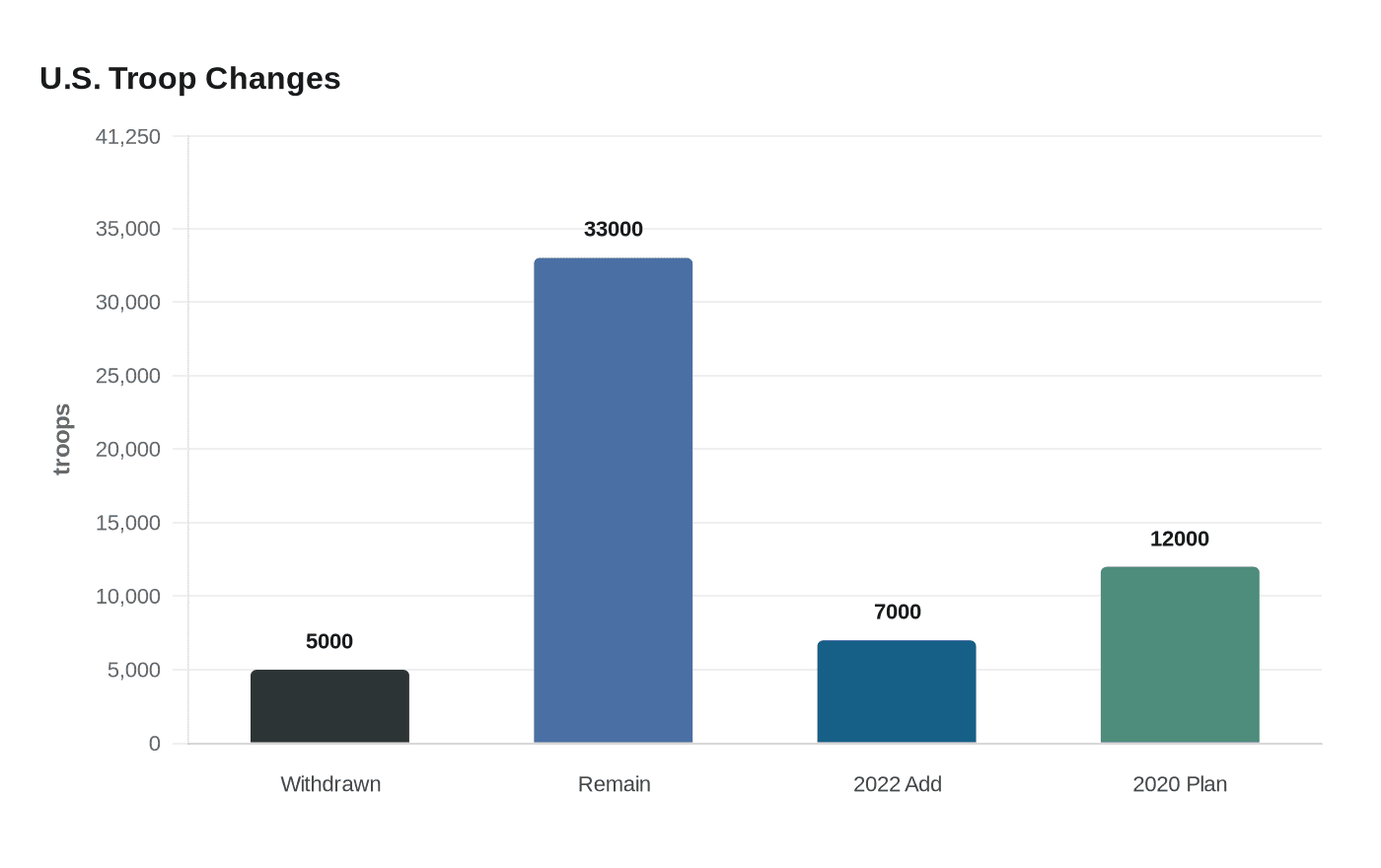
The Pentagon said it would pull about 5,000 U.S. troops from Germany over the next six to 12 months, a cut that would leave roughly 33,000 American troops in the country and trim the U.S. presence there by about 14 percent. The move comes as a dispute over the Iran war has widened into a broader test of alliance management between Washington and Berlin.
The decision follows a sharp exchange between Donald Trump and German Chancellor Friedrich Merz. Merz said the United States was being “humiliated” by Iran and questioned Washington’s strategy in the war. Trump responded that Merz “doesn’t know what he’s talking about” and said troop reductions could also be considered for Italy and Spain.
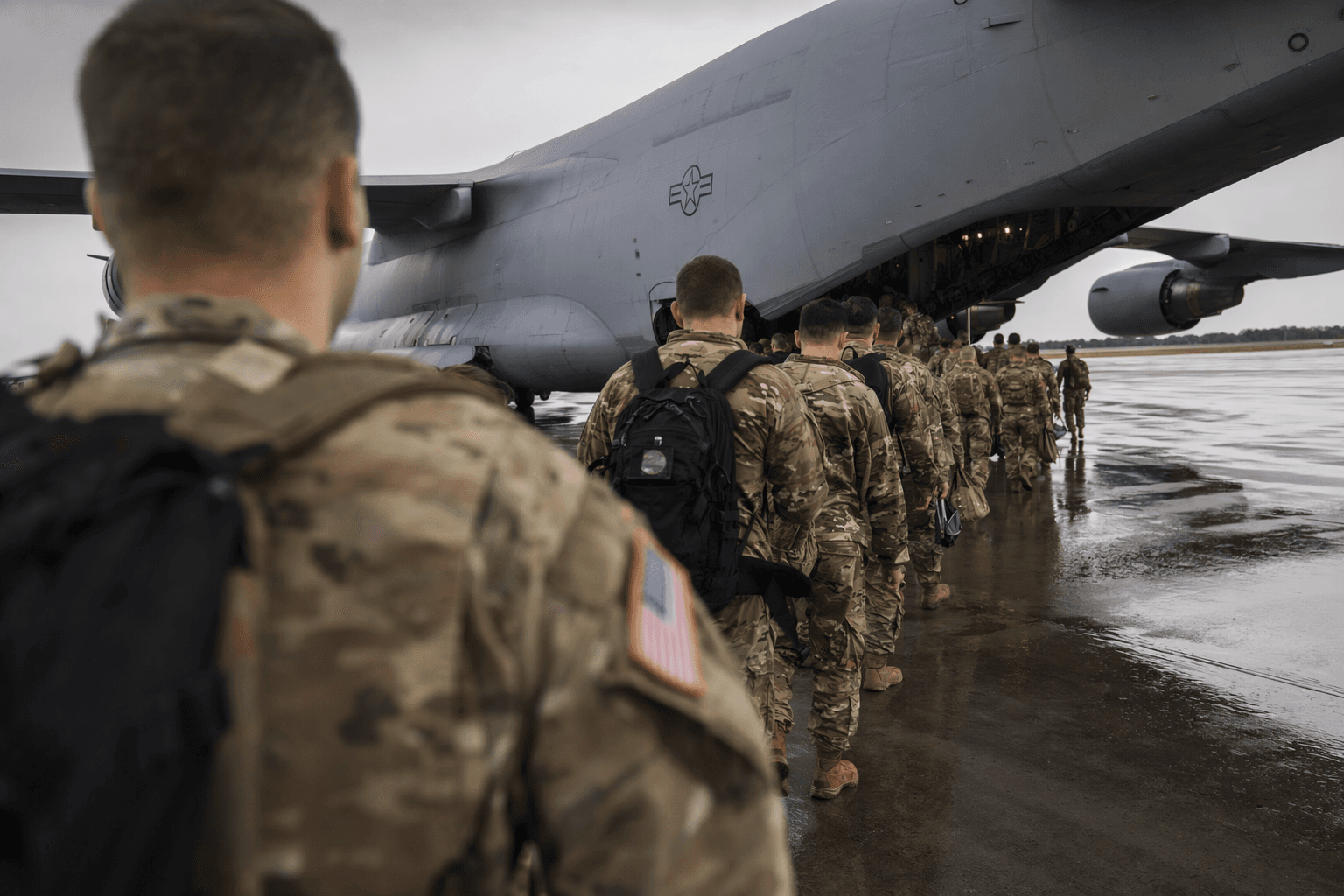
Germany is not just another station for U.S. forces. It is a major logistical hub for American military movements in Europe and for routes extending toward the Middle East. That makes any drawdown more than a simple headcount change. It affects how quickly the United States can move personnel, equipment and support through one of its most important NATO footholds.
The cut also marked a partial reversal of the post-2022 military buildup in Europe. After Russia’s full-scale invasion of Ukraine in February 2022, the Biden administration added 7,000 troops to Germany and other deployments across Europe were expanded. The new reduction, while smaller than earlier plans, signaled that the U.S. force posture in Europe is again being reshaped by politics as much as by strategy.
Trump had already tried to pull U.S. troops out of Germany during his first term. In 2020, he announced a plan to remove about 12,000 troops, but Congress blocked the move and it was later reversed by President Joe Biden. The latest cut revives the same question in a more volatile setting: how far Trump is willing to use military basing decisions to press NATO allies over burden-sharing and policy disagreements.
The timing is especially sensitive for NATO. At the alliance’s 2024 summit in Washington, the United States and Germany announced plans to deploy U.S. ground-launched medium-range missiles in Germany in 2026, underscoring Germany’s central role in NATO deterrence planning. Any reduction in U.S. forces now raises fresh questions about the credibility and balance of that posture.
Germany’s defense minister, Boris Pistorius, said Europeans must take greater responsibility for their own security. His warning captured the wider stakes of the troop decision: not just the future of one deployment, but the cost of turning a dispute over Iran into a military rebalancing that reaches deep into the alliance’s center of gravity.
This article was produced by Prism’s automated news system from verified source data, official records, and press releases, then run through automated quality and moderation checks before publishing. The system is built and supervised by the people who set the standards it runs under. Read our full AI policy.
Did this article answer your question?