PepsiCo beats estimates as price cuts lift snack sales, demand holds strong
Price cuts on Doritos and Lay's helped PepsiCo beat estimates as snack volumes turned higher again and demand for diet sodas stayed resilient.
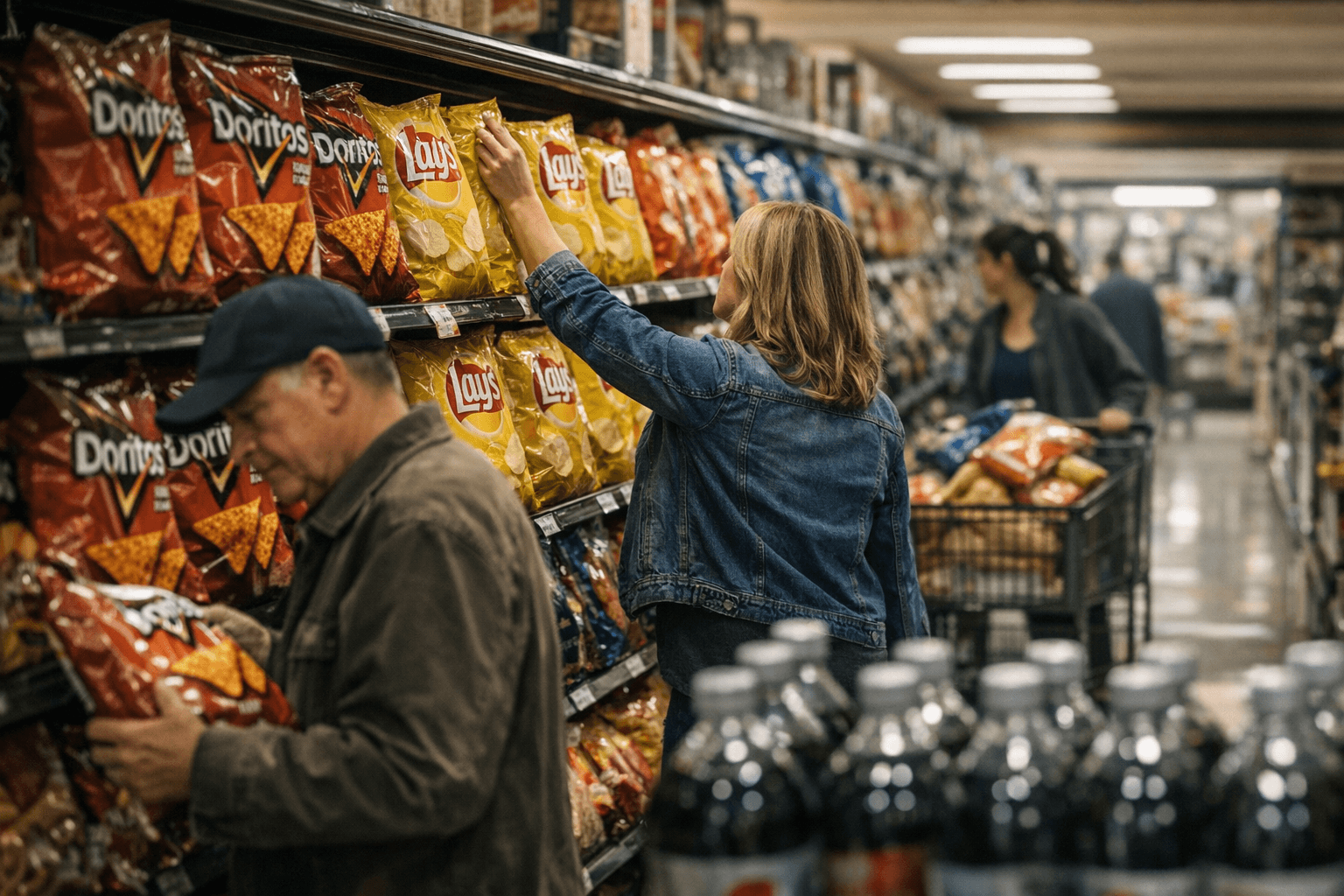
PepsiCo’s latest quarter suggested that many U.S. shoppers are still willing to buy snacks, but only if the price feels right. The company said lower entry-level prices on salty snacks helped revive demand in its North American food business, which returned to volume growth for the first time in more than two years.
The results were strong enough to top Wall Street’s expectations. PepsiCo reported first-quarter revenue of $19.44 billion and adjusted earnings of $1.61 a share, both above analyst forecasts. Organic sales rose 2.6% in the period, while net income climbed 27% to $2.3 billion. PepsiCo shares rose after the report.
What stood out most was where the growth came from. Price cuts on snacks such as Doritos and Lay’s appeared to bring shoppers back, suggesting that households have been resisting broad inflation with a mix of trading down and selective indulgence. In other words, consumers may still reach for a premium-tasting bag of chips, but they are watching the shelf price closely and responding when the opening price point falls.
PepsiCo also said demand for diet sodas remained resilient, another sign that shoppers have not completely abandoned branded packaged goods even under pressure from rent, groceries and borrowing costs. That pattern fits a wider consumer backdrop in which middle- and lower-income households remain strained by the cost of living, yet still make room for small purchases that feel affordable enough to keep buying.
Executives kept the company’s annual targets in place, even as they warned that the macroeconomic backdrop has grown more volatile. They also flagged a possible rise in costs tied to the Iran war, including higher energy and input expenses. The company’s warning was blunt: “inflation will come.”
For PepsiCo, the quarter was a test of whether lower prices and product refreshes could offset a more cautious consumer. The answer, at least for now, was yes. The company’s performance points to a shopper who is not disappearing, but becoming more price-sensitive and more willing to switch within brands rather than walk away from them altogether.
This article was produced by Prism’s automated news system from verified source data, official records, and press releases, then run through automated quality and moderation checks before publishing. The system is built and supervised by the people who set the standards it runs under. Read our full AI policy.
Did this article answer your question?