Perham-Dent lunch crew feeds more than 1,000 students in a few hours
perham-dent lunch staff served between 1,280 and 1,345 students across three school lunchrooms daily, a large-scale operation that sustains student nutrition and classroom learning.

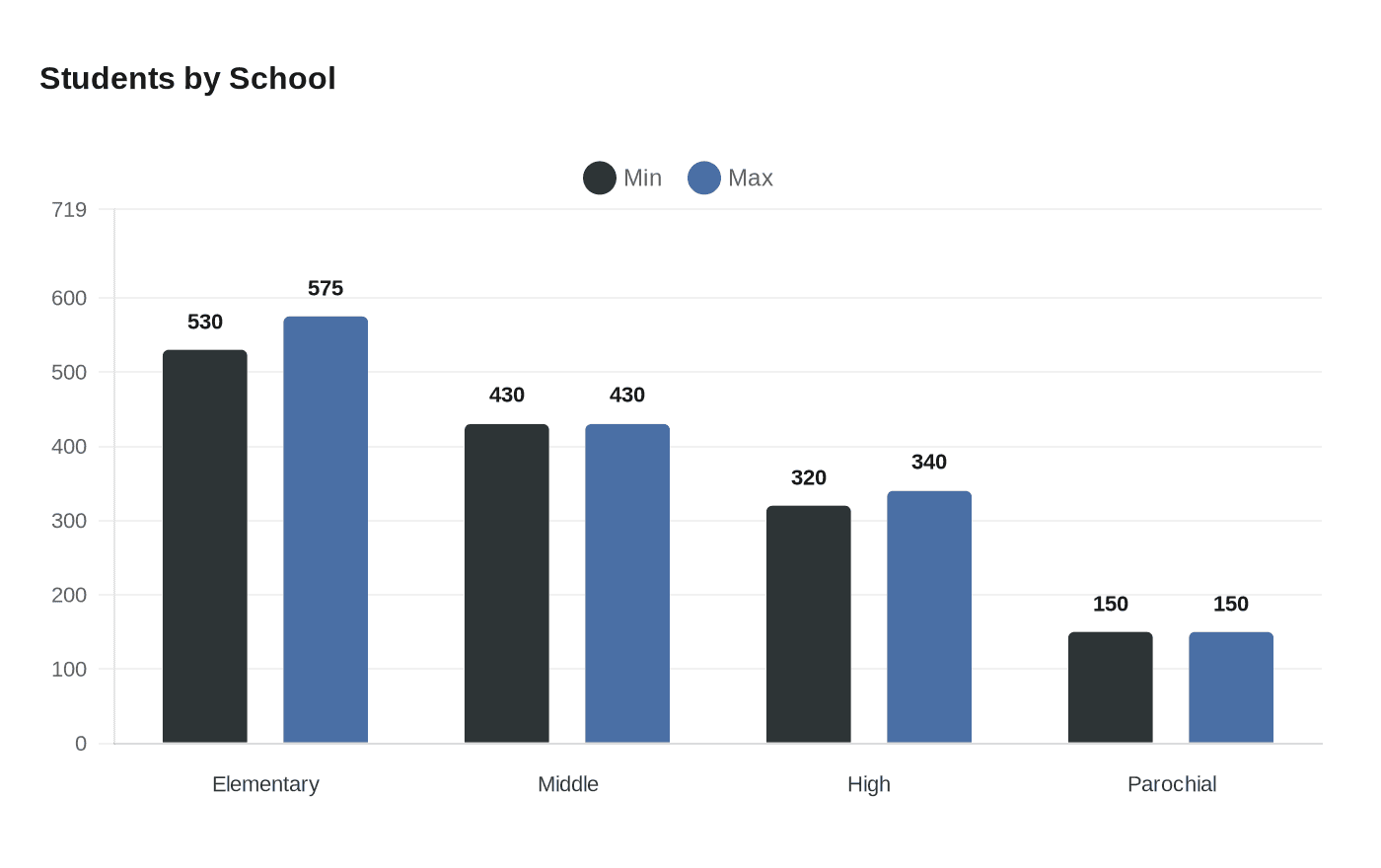
Perham-Dent Public Schools’ three kitchen crews prepare and serve more than 1,200 lunches each school day, a concentrated effort that keeps classrooms fed and students focused. Krystal Boyd, the district’s food service director, said the three lunchrooms serve “between 1,280-1,345 students daily,” with the elementary serving “between 530-575,” the middle school about “430,” and the high school “between 320-340.”
The operation runs on a tight morning schedule. Boyd said prep work and cooking take up much of the morning, and when service time arrives “it is ‘boom, boom, boom’ as students work their way through the lunch line.” Some students are served by class and others by grade, which helps kitchens move large numbers through limited lunch windows.
Fifteen cooks staff the district’s three kitchens, split between full-time and part-time positions, with each building led by a more experienced lead cook. Boyd credited the longevity of the staff for operational efficiency and results: “They're the ones that make all the magic happen.” She described her role as administrative and planning-focused: “I'm just behind the scenes doing all the paperwork and looking forward (planning lunches and ordering food).”
Boyd also noted the program serves students beyond the public school rolls, saying, “And then the parochials about another 150.” The published breakdown of elementary, middle and high counts adds to the 1,280-1,345 range, which suggests the parochial figure may be in addition to those totals; the available information does not make that relationship explicit.
District officials report the school meals meet federal nutrition standards, and the scale of service underscores how central school food programs are to daily life in Perham. For many families, reliably available school meals reduce household food strain and ensure students receive balanced meals during the school day. For teachers and building administrators, the predictable delivery of lunches helps minimize disruptions and supports instructional time.
Practical questions remain for residents interested in the program’s mechanics and oversight: how parochial participation is arranged, the breakdown of full-time versus part-time staffing, specific menu planning practices used to meet federal requirements, and whether meal participation has changed over time. Those are details the district can supply for readers seeking deeper fiscal or programmatic context.
For Perham and the surrounding communities, the takeaway is clear: a small, experienced crew of 15 cooks runs a high-volume, tightly timed operation that feeds more than 1,200 students a day, directly supporting student health and learning. Continued transparency about participation, staffing and nutrition standards will help residents evaluate how the program serves children and how it fits into broader school budgets and community needs.
Sources:
Know something we missed? Have a correction or additional information?
Submit a Tip