Period poverty may keep women from effective cramps relief, study suggests
Women in poorer areas were 32% less likely to buy pain relief with menstrual products, even though NSAIDs work better than paracetamol for cramps.
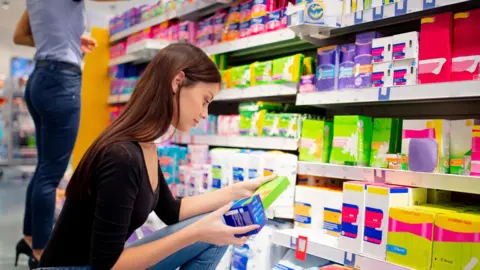
Many women are still missing the most effective over-the-counter relief for period cramps, and supermarket buying patterns suggest cost may be part of the reason. An analysis of 211 million anonymized transactions from 3.4 million shoppers at a major UK health and beauty retailer found that only 26.7% of customers who bought menstrual products also bought pain relief in the same purchase, while shoppers in the lowest-income areas were 32% less likely to do so than those in the highest-income areas.
The retail data covered a decade of purchases from April 2006 to April 2015 and showed a strikingly regular rhythm: the most common gap between menstrual purchases was exactly 28 days, matching the average menstrual cycle. That pattern points to how routine period shopping is, but it also exposes a gap between what many people buy and what evidence says is most effective for cramps.

Clinical guidance is clearer than the shelf labels often are. Cochrane says nearly three-quarters of women suffer from period pain or menstrual cramps, and the NHS advises that severe period pain may be treated with anti-inflammatory medicines such as naproxen, flurbiprofen or mefenamic acid. NICE says clinicians should offer a nonsteroidal anti-inflammatory drug for primary dysmenorrhoea unless it is contraindicated, with paracetamol reserved for cases where NSAIDs cannot be used or are not tolerated.

That matters because ibuprofen and other NSAIDs are generally more effective than paracetamol for menstrual cramps: they reduce prostaglandin production, the chemical process that drives uterine cramping. The findings point to a consumer-health failure as much as a medical one. Period pain is common, it can limit normal activity and contribute to absenteeism, and an estimated 1 in 5 people with dysmenorrhea do not get relief from existing treatments. In that setting, packaging, marketing and household budgets can shape choices as much as medical evidence does, leaving many women with less effective relief when the better option is already known.
This article was produced by Prism’s automated news system from verified source data, official records, and press releases, then run through automated quality and moderation checks before publishing. The system is built and supervised by the people who set the standards it runs under. Read our full AI policy.
Did this article answer your question?