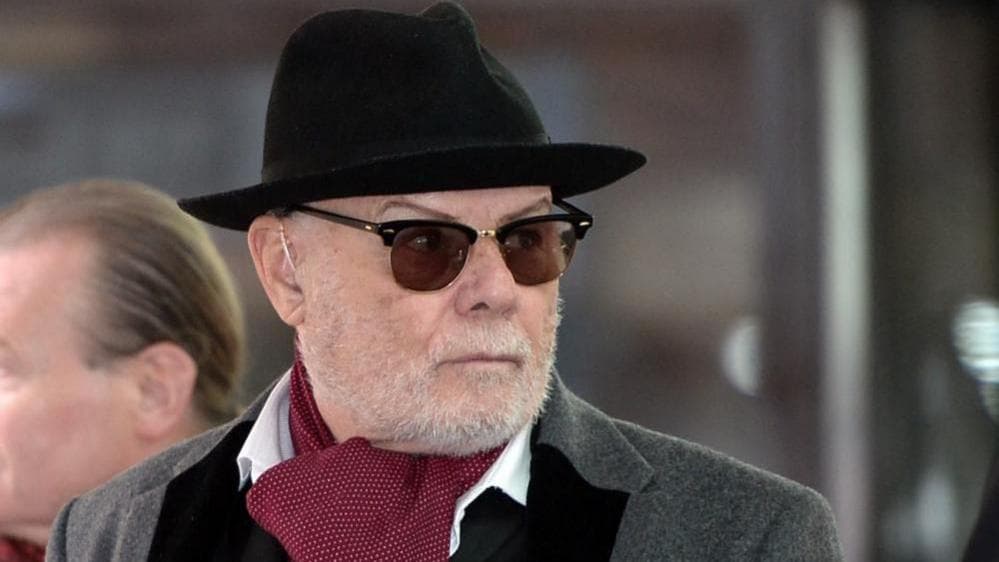
Perry Bamonte of The Cure Dies at 65, Band Mourns
Perry Bamonte, a longtime guitarist and keyboardist who helped shape The Cure’s sound on stage and in the studio, died over Christmas at age 65. His death underscores the end of an era for alternative rock and raises questions about how the music industry preserves the legacy of its longtime sidemen.
Perry Archangelo Bamonte, known simply as Perry or Teddy, a longtime guitarist and keyboardist for The Cure, died at age 65 after a short illness at home over Christmas, the band said in a statement posted on their official website on December 26. The announcement described him as “quiet, intense, intuitive, constant and hugely creative,” and called him “a warm hearted and vital part of The Cure story.” A biographical listing gives his date of death as December 24, while other reports say the loss occurred on Christmas Day. No further medical details were released.
Bamonte was born in London on September 3, 1960, and became a full member of The Cure in 1990. He was a steadying presence through the group’s global tours and studio cycles for decades, appearing on the live albums Paris and Show in 1993 and performing in more than 400 concerts over a 14 year span. GuitarWorld singled out his performances on signature Cure songs including “Friday I’m in Love,” “High” and “A Letter to Elise,” noting how his dual role on guitar and keyboards helped fill out the band’s layered, emotional sound.
His tenure with the group was not entirely continuous. Widely reported accounts list his first major period with The Cure as running from 1990 to 2005. He rejoined the band in 2022 according to several reports, though outlets differ on whether that later stint lasted until 2024 or into 2025. He was present when The Cure were inducted into the Rock and Roll Hall of Fame in 2019, and in 2004 accepted a RockWalk plaque in Los Angeles with Robert Smith and Simon Gallup, a small public marker of the decades of work in which he played a part.
Beyond the band, Bamonte served as bassist for the supergroup Love Amongst Ruin and pursued interests outside music, developing a parallel career as an illustrator for the magazine Fly Culture and cultivating a love of fly fishing. He also had limited acting credits, with small parts listed in films such as Judge Dredd, About Time and The Crow.
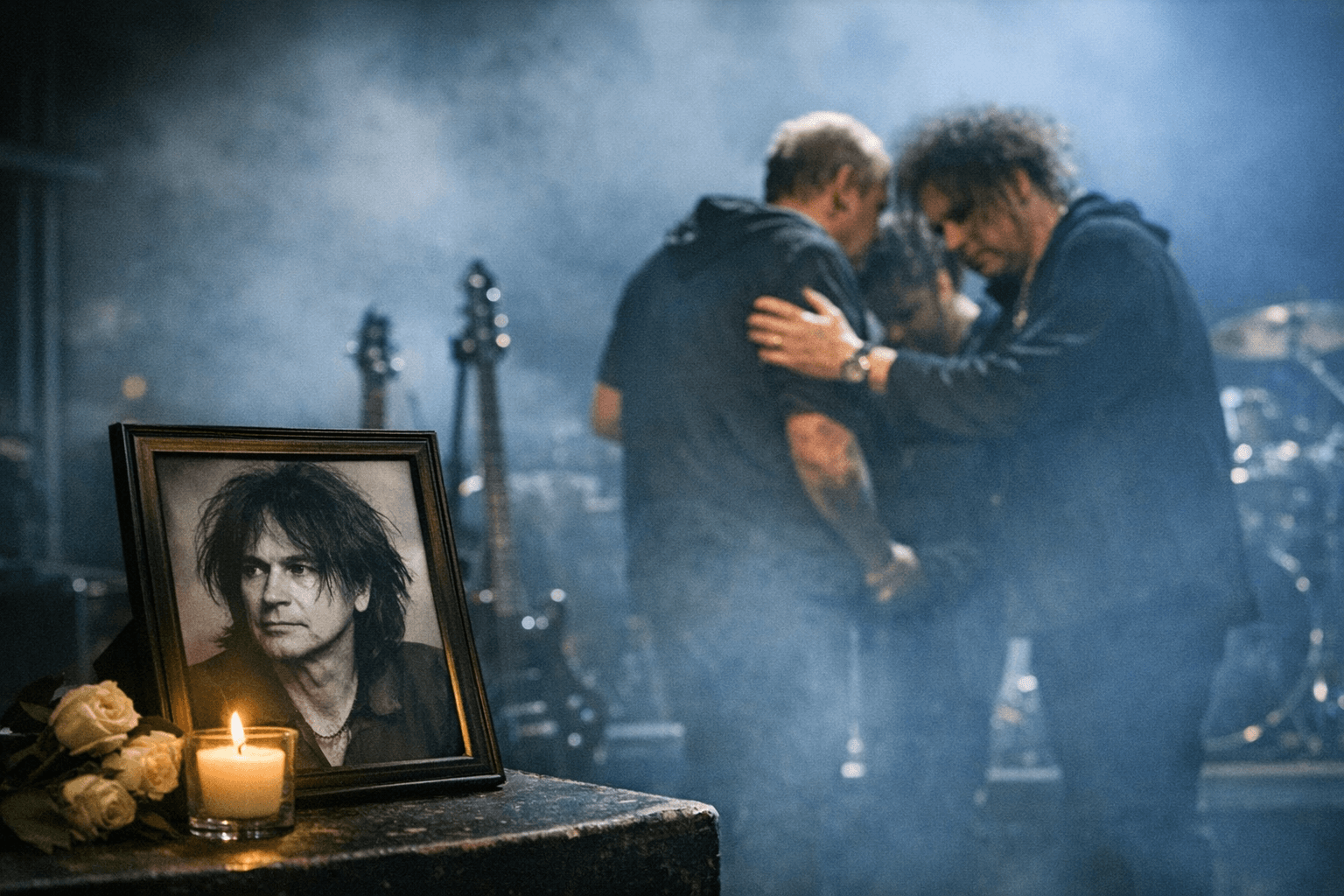
The immediate reaction from former bandmates and peers reflected the quiet esteem in which he was held. Former Cure drummer Lol Tolhurst wrote on social media, “So sad to hear about Perry Bamonte passing... Farewell Teddy.” Tributes from fans and fellow musicians highlighted Bamonte’s role as a creative anchor who rarely sought the spotlight but who helped define the sonic architecture of one of Britain’s most durable alternative acts.
Bamonte’s death arrives amid a wider industry moment in which many seminal performers of the 1980s and 1990s are aging while their catalogs remain commercially vital. For bands such as The Cure, which trade on a rich back catalog and intergenerational touring appeal, the loss of a long term member is both an emotional blow and a practical challenge for continuity onstage. It also prompts a broader cultural conversation about how the music business supports its veteran players, many of whom play essential but less visible roles in sustaining a band’s identity.
As fans continue to share memories and the band prepares to mourn privately, Bamonte’s legacy will be measured not only in recorded credits and stage appearances but in the subtle musical choices that helped make The Cure’s music so resonant across generations.
This article was produced by Prism’s automated news system from verified source data, official records, and press releases, then run through automated quality and moderation checks before publishing. The system is built and supervised by the people who set the standards it runs under. Read our full AI policy.
Did this article answer your question?