Perry County shows education gains while child poverty persists
Perry County saw improvements in fourth grade reading and eighth grade math, but 37% of children live in poverty — nearly double the state rate.

New data from Kentucky Advocates for Kids shows mixed progress for children in Perry County: academic indicators are improving, yet economic hardship remains acute for many families. The Kids Count county report found gains in basic achievement while poverty continues to place long-term strain on health, schooling and family stability.
Both Hazard Independent and Perry County school districts registered improvements in fourth grade reading and eighth grade math, part of a broader set of positive moves. Perry County "kids improved in 16 of those 20 indicators during the last period of time. That’s really good news. They declined in three and they stayed the same in one. So it’s important to celebrate the improvement," said Terry Brooks, executive director of Kentucky Advocates for Kids. Those advances suggest targeted education interventions and local school efforts are producing measurable results.
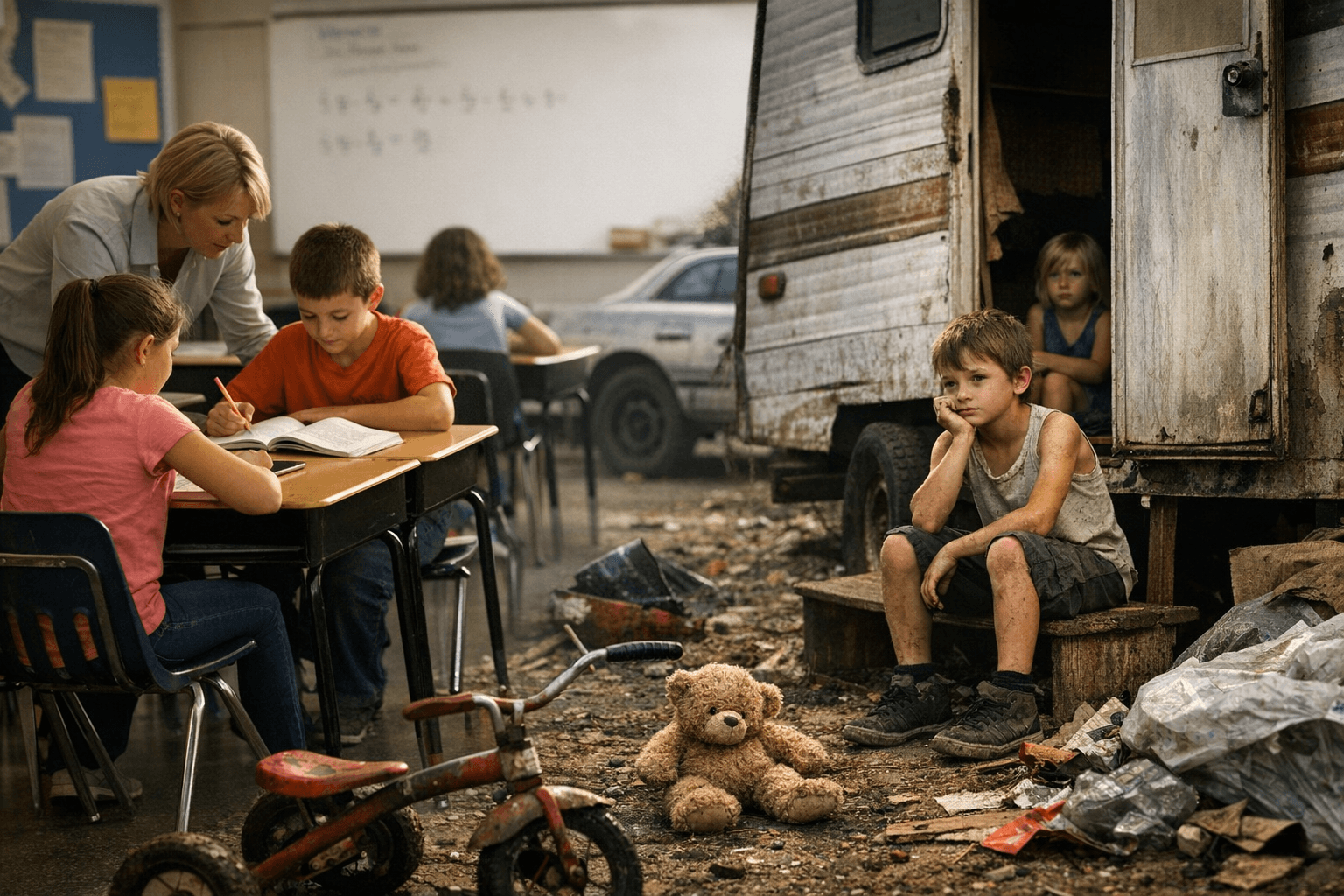
Still, the economic backdrop tempers optimism. The county’s child poverty rate stands at 37 percent, compared with about 20 percent statewide. "When I look at the data though, what jumps out is that whereas about 20% of kids live in poverty, 37% of kids in Perry County live in poverty. The idea that it’s almost twice the state rate. That’s a problem," Brooks said. High childhood poverty can erode the gains schools are making by increasing instability at home, limiting access to health care and reducing students’ readiness to learn.
Brooks warned of the potential for reversing trends if incomes do not improve. "If childhood poverty is intensifying, then we know what’s coming. We know that health indicators, education indicators, marks around family stability, we know that they’re going to decline in the coming years," he said. Economically, entrenched poverty can lower local consumer demand, raise demand for social services, and shrink the pool of qualified workers over time — factors that matter for Perry County’s recovery and growth.
Brooks urged policy action at the state level as a direct lever to reduce childhood poverty. "If I was living in Perry County or more broadly Eastern Kentucky, I’d be reaching out to my state representative and my state senator and saying, If you passed a child dependent tax credit or if you passed an earned refundable earned income tax credit at the state level, we know that those factors would immediately help childhood poverty. Are you going to do something about it?" he said. Such tax credits are designed to boost family incomes quickly and can complement local programs that support education and health.
For residents, the immediate takeaway is twofold: celebrate the classroom improvements that are showing up in local test scores, and press for policy changes that address the income gap undermining those gains. Lawmakers will decide whether state-level credits and other measures move forward; for families in Perry County, the hope is that improved school performance combined with stronger economic supports will produce more stable outcomes for the next generation.
Sources:
Know something we missed? Have a correction or additional information?
Submit a Tip

