Peru miners warn runoff plans could scare off copper investment
Peru’s miners say a $63 billion project pipeline could be jolted by runoff proposals that shift royalties, taxes and the state’s role in copper.

Peru’s June 7 runoff is now being cast by the mining industry as a test of whether the country can keep attracting capital to one of the world’s most important copper belts. With Peru ranked as the world’s third-largest copper producer and mining accounting for about 60% of exports, the stakes run far beyond campaign rhetoric. The 2025 mining investment portfolio includes 68 projects worth US$63 billion, much of it tied to southern Andean copper assets that feed global supply chains, from power grids to electric vehicles.
Julia Torreblanca, president of the National Society of Mining, Petroleum and Energy, said neither Keiko Fujimori’s nor Roberto Sánchez’s program offers a durable path for the industry. Fujimori wants to direct 40% of mining royalties to communities near mines, while also creating a fast-track process for strategic projects and tax incentives for companies that reinvest profits. Sánchez has proposed higher taxes and royalties, reviews of large mining contracts and a referendum to draft a new constitution that would expand the state’s role in the economy.
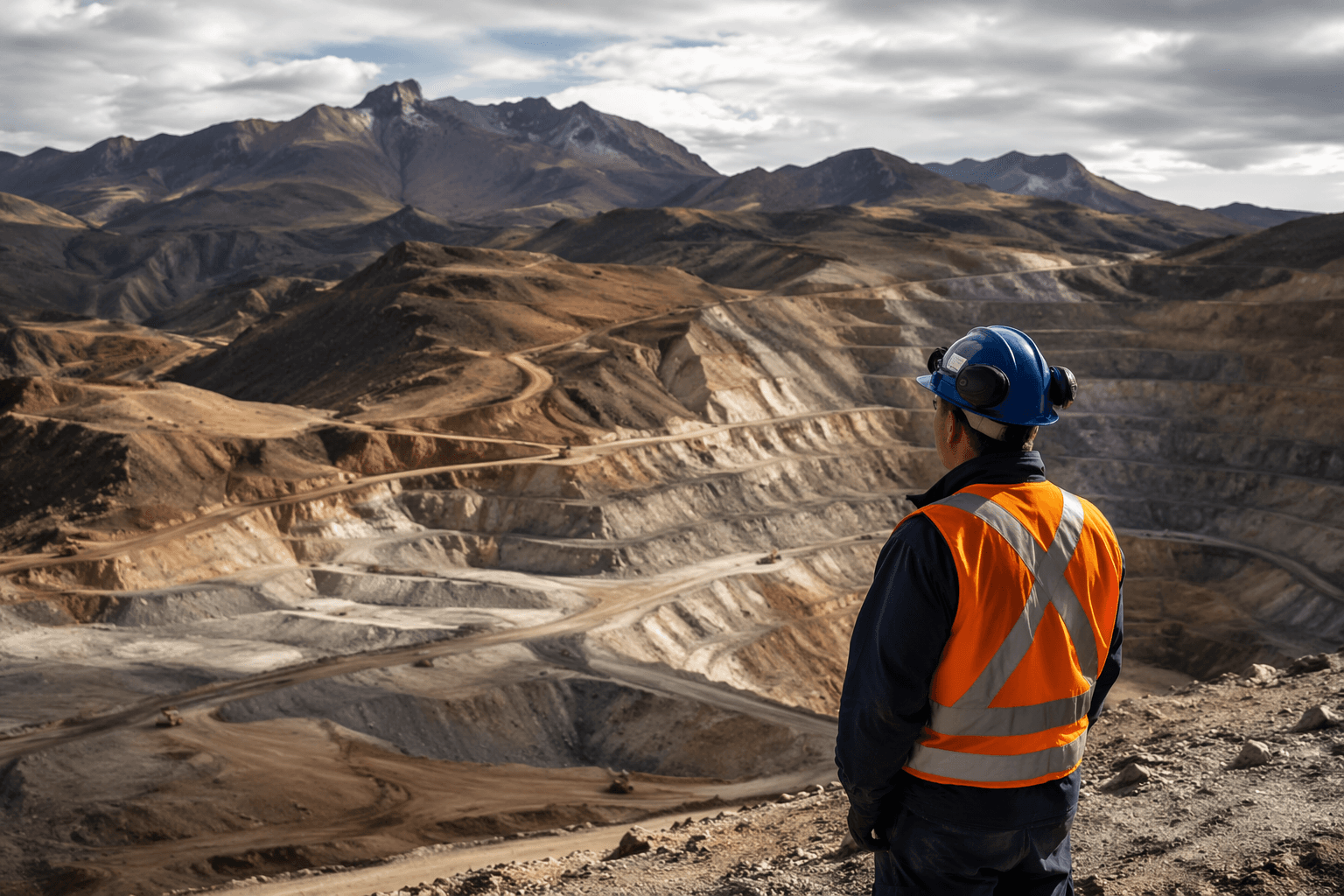
That split has sharpened investor anxiety because Peru’s mining model already sits on a fragile social and political foundation. Torreblanca argued that the country does not just need more revenue from minerals, it needs a state strong enough to turn that money into roads, schools and services. Last year, mining tax revenue reached about 26 billion soles, or US$7.59 billion, and the government transferred the equivalent of US$2.93 billion to mining-affected regions. Yet thousands of public works projects remain stalled, leaving local communities with little to show for the cash flow and creating a vacuum that can turn into protest.
The economic warning is not theoretical. A central bank report showed business confidence fell in April to its lowest level in almost two years, while Peru’s bonds and currency lagged regional peers. The first-round result, eventually settled, showed Sánchez with 12.03% of the vote, while Fujimori remained the conservative frontrunner heading into the runoff. That uncertainty matters for companies weighing whether to commit billions to projects that need stable permitting, predictable taxes and social peace.
Southern Copper alone says planned Peru spending on projects under construction or in advanced engineering could top US$10.3 billion over the next decade, including Tía María, Michiquillay and Los Chancas. If the next president signals instability in royalties, contracts or constitutional rules, investment could be delayed just when copper demand is being pulled higher by the global energy transition. In Peru, the battle over mining policy is also a fight over whether the country can convert mineral wealth into long-term growth without scaring away the capital that produces it.
This article was produced by Prism’s automated news system from verified source data, official records, and press releases, then run through automated quality and moderation checks before publishing. The system is built and supervised by the people who set the standards it runs under. Read our full AI policy.
Did this article answer your question?

