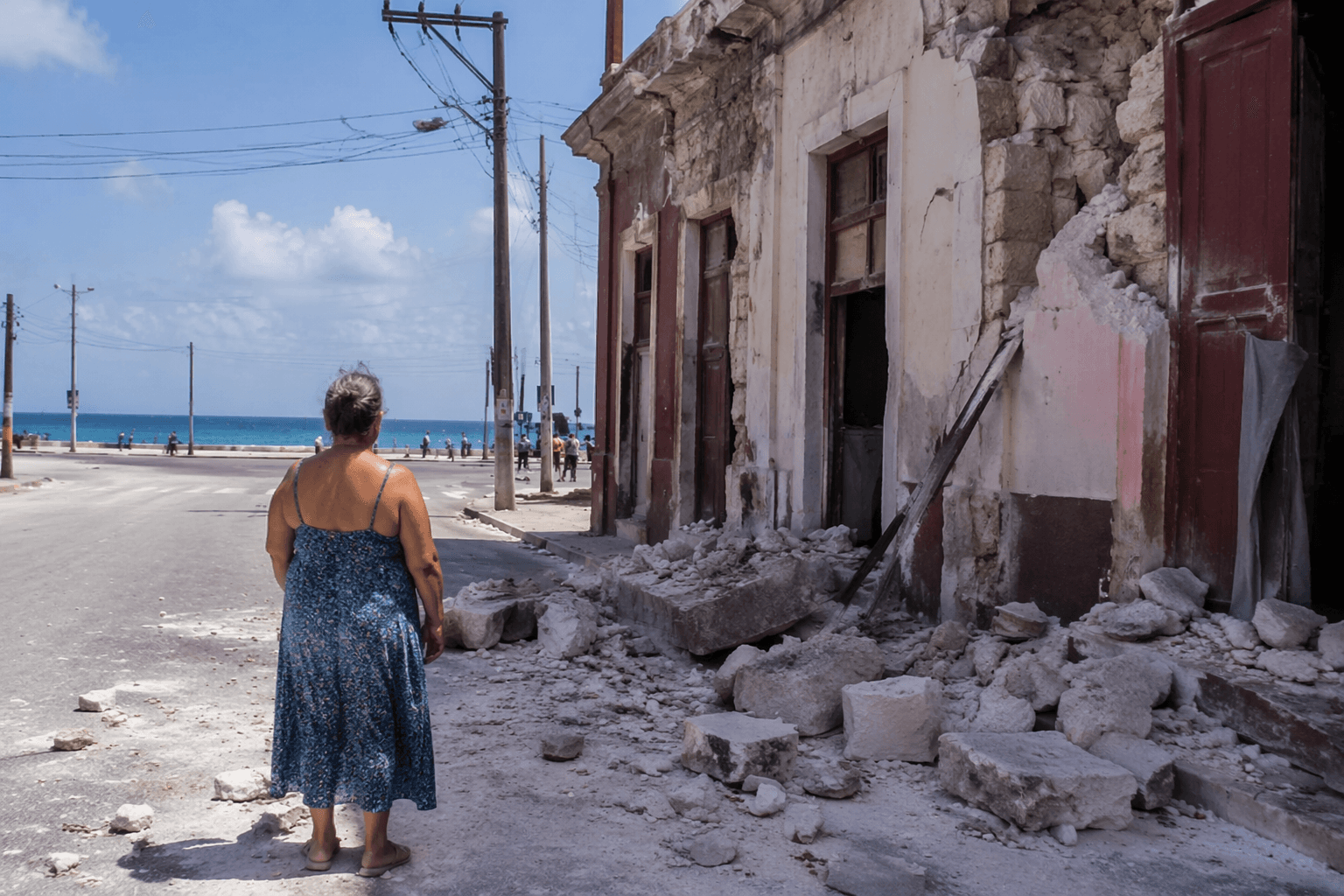
Peru presidential race remains too close to call as markets tumble
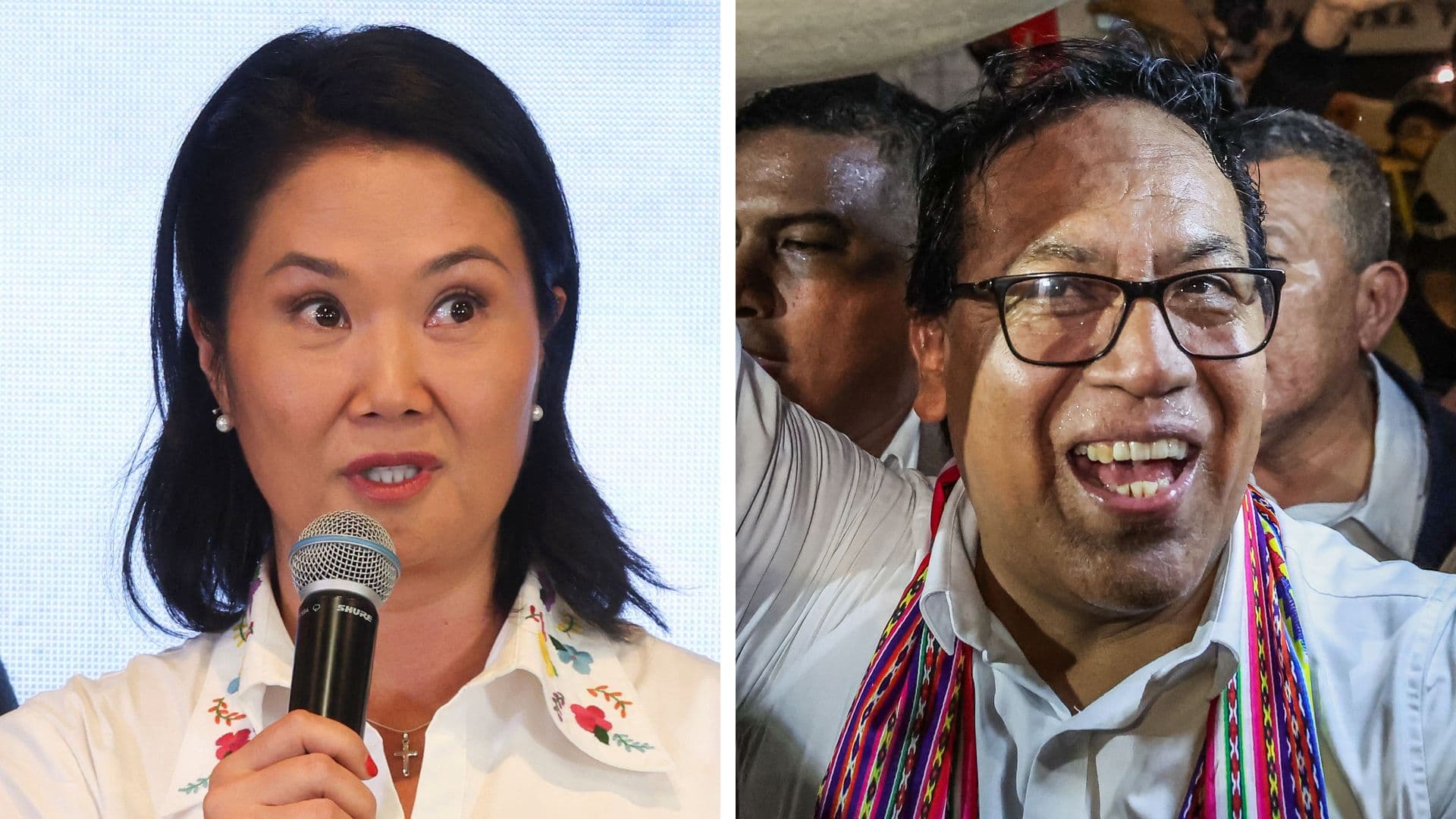
Peru’s election count tightened to 50.01 percent for Keiko Fujimori and 49.99 percent for Roberto Sanchez, sending shares and the sol lower before a winner was known.
A knife-edge presidential count in Peru sent markets sliding before the country knew who would win, turning uncertainty itself into the day’s most immediate economic force. With ballots still being tallied from rural areas and the official count stretching into a second day, investors moved first and waited for the politics to catch up.
Leftist congressman Roberto Sanchez had edged ahead of conservative Keiko Fujimori on Monday as about 94 percent of votes were counted, according to the official tally. Fujimori stood at 50.01 percent and Sanchez at 49.99 percent, a reversal from the slight early lead Fujimori held after voting ended on Sunday. The race for Peru’s ninth president in 10 years remained so close that every new batch of ballots shifted the margin.
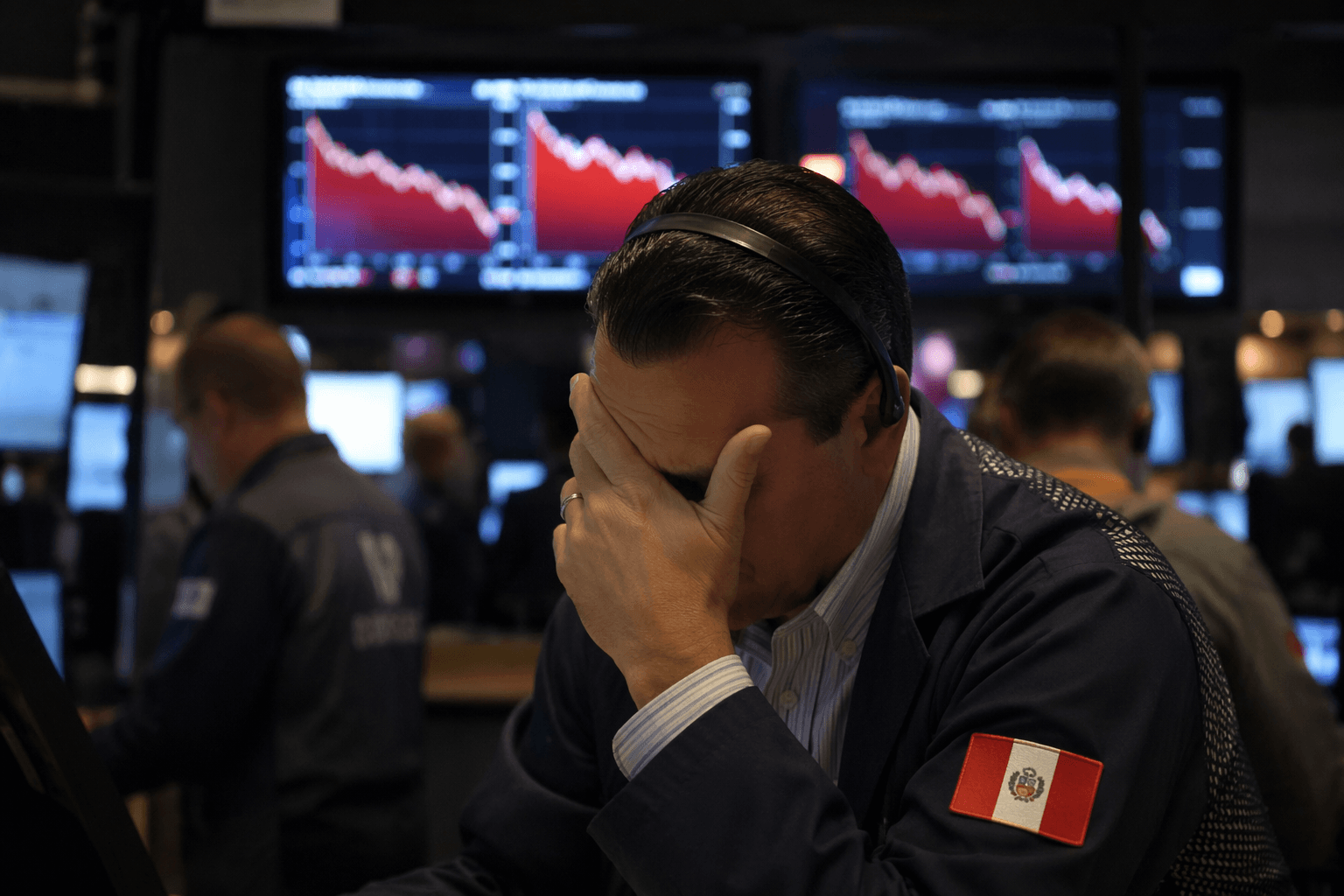
Outside her home in Lima, Fujimori urged patience and said she was calm while waiting for the final result. The financial response was anything but calm. U.S.-listed Peruvian shares fell, miners and financial firms came under pressure, and the sol weakened as traders weighed the possibility of a Sanchez victory.
The market reaction reflected more than a tight vote count. Investors had been leaning toward a Fujimori win in recent weeks, and Sanchez has promised a major overhaul of Peru’s economic system, including reforming large mining concessions. That prospect matters in a country that is one of the world’s biggest copper producers and also a major source of gold, silver and zinc. A shift in policy toward mining would carry consequences far beyond Lima, rippling through global supply chains and the financing conditions that shape Peru’s access to capital.
The political backdrop has only deepened the strain. Peruvians have been grappling with rising homicide and extortion rates, and the government has repeatedly reached for emergency measures, including a 30-day state of emergency in Lima during a crime wave. Protests also helped drive out former President Dina Boluarte, underscoring how fragile the country’s governing order has become.
This election has revived memories of Peru’s bitter 2021 runoff, when Pedro Castillo defeated Fujimori by about 44,000 votes after a prolonged dispute. Fujimori, the daughter of former president Alberto Fujimori, has spent years at the center of Peru’s most divisive presidential battles. With roughly 28 million Peruvians eligible to vote, the latest runoff became another test of whether the country could produce a clear mandate without another drawn-out political fight. For investors, foreign partners and ordinary Peruvians alike, the cost of waiting was already visible in the market before the final count was finished.
This article was produced by Prism’s automated news system from verified source data, official records, and press releases, then run through automated quality and moderation checks before publishing. The system is built and supervised by the people who set the standards it runs under. Read our full AI policy.
Know something we missed? Have a correction or additional information?
Submit a Tip