Peter Safran stays confident in DC strategy after Supergirl miss
Peter Safran defended DC Studios’ long game after Supergirl opened with $38 million, far behind Toy Story 5 and well short of expectations.
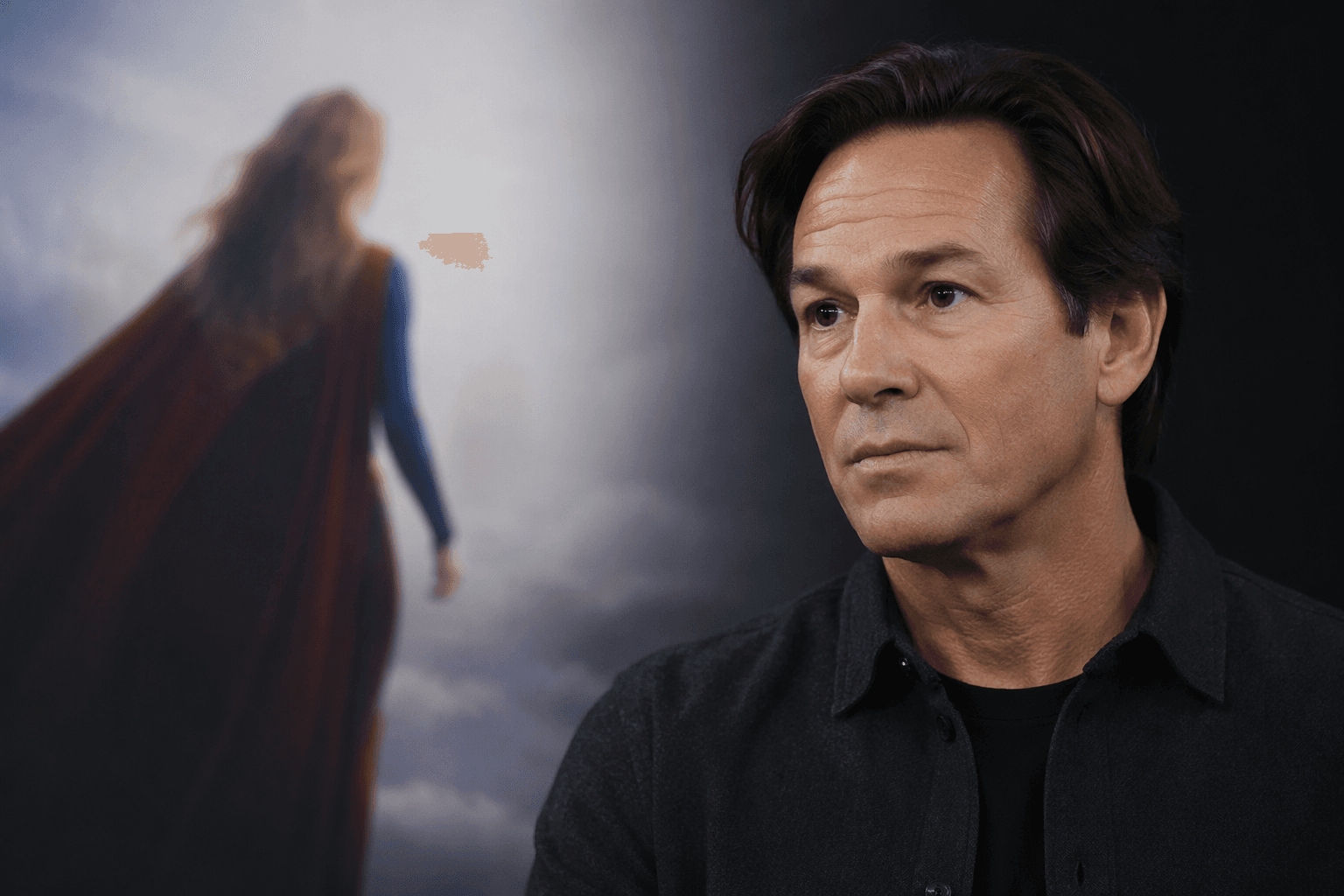
Peter Safran is standing by DC Studios’ long game after Supergirl opened second with an estimated $38 million domestically, a result that landed far below Warner Bros.’ hopes for the costly reboot. The film, which debuted on June 26, finished behind Disney/Pixar’s Toy Story 5, which held No. 1 in its second weekend with about $70 million, even as total ticket sales for the market rose 21 percent from the same weekend last year.
The opening underscored the pressure on Warner Bros.’ reset of its superhero business. Supergirl was playing in just over 3,600 North American venues and carried a reported production budget of about $175 million, making the gap between spending and opening-weekend demand hard to ignore. Directed by Craig Gillespie and starring Milly Alcock as Kara Zor-El, the film is the second feature in the rebooted DC Universe overseen by co-CEOs James Gunn and Peter Safran.
Safran drew a direct line between the film’s result and the studio’s broader plan. “While Supergirl didn’t meet our box office expectations, it’s just one component of a broader, long-term strategy at DC Studios that we remain confident in,” he said. That message matters because DC’s restructuring depends on the idea that individual titles can serve a larger shared universe, even when one release falls short of a strong opening.
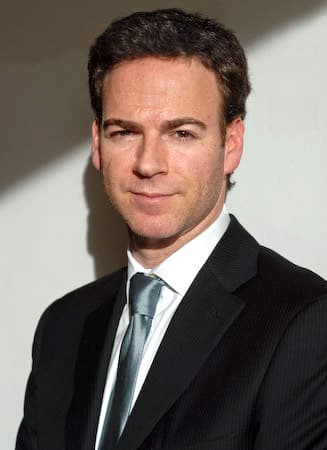
Warner Bros. still has several pieces of that plan on the calendar. Clayface, directed by James Watkins and produced by Gunn and Safran, is set for a North American theatrical release on October 23, 2026, with international rollout beginning October 21, 2026. Man of Tomorrow, from James Gunn, is scheduled for July 9, 2027. Lanterns is also expected in 2026 on HBO.
The challenge for DC is not simply one weak opening, but whether the economics of building toward an interconnected slate still justify the upfront cost. Supergirl’s debut showed that even a major IP launch can arrive in a crowded marketplace without commanding the kind of launch that used to support a long franchise runway. Safran is still betting that the broader slate will pay off later; the numbers from Supergirl show how much that bet now depends on execution.
This article was produced by Prism’s automated news system from verified source data, official records, and press releases, then run through automated quality and moderation checks before publishing. The system is built and supervised by the people who set the standards it runs under. Read our full AI policy.
Did this article answer your question?