Petrobras oil workers, led by FUP, set nationwide strike starting Dec. 15
Unionized employees at Petroleo Brasileiro S.A. announced a nationwide strike after rejecting the company’s second counteroffer, escalating a standoff over pensions and pay. The action underscores tensions in Brazil’s energy sector even as Petrobras posted record production, raising questions for markets, supply chains, and corporate pension policy.
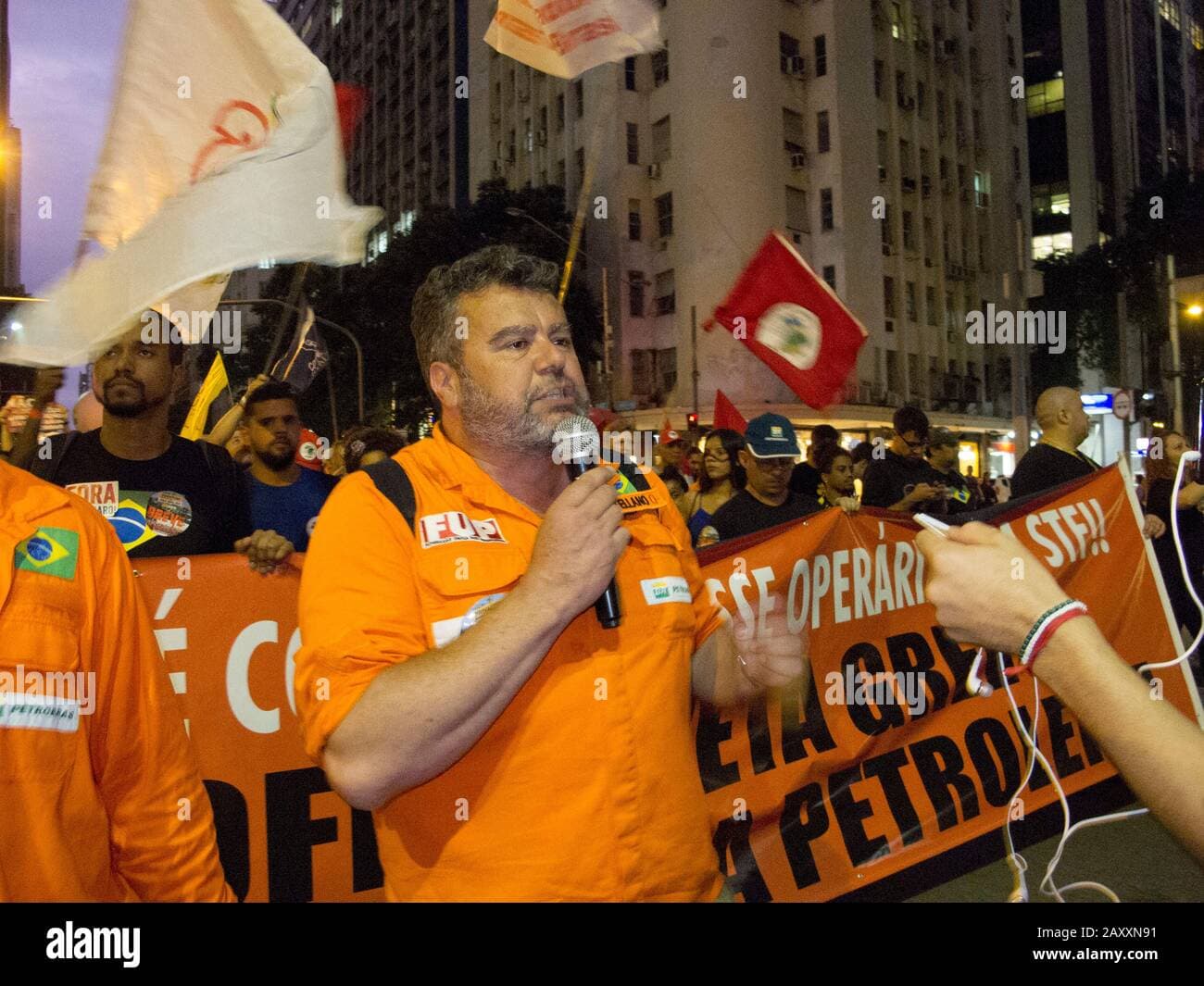
Unionized workers at Petroleo Brasileiro S.A. announced on Dec. 10 that they would begin a nationwide strike on Monday, Dec. 15 after rejecting the company’s second counteroffer in contract negotiations. The announcement came from the Unified Workers’ Federation of the Petroleum Industry, or FUP, which cited a claimed deficit in the company retirement fund and proposed changes to employee compensation as the central grievances. In its statement the union described the company’s latest offer as "insufficient" and "disrespectful."
The dispute arrives at a sensitive moment for Brazil’s largest energy company. Business reporting this year noted a strong operational performance at Petrobras, with production climbing to a reported record 3.14 million barrels of oil equivalent per day in the third quarter of 2025. The gains were attributed in coverage to output from new pre-salt floating production platforms, specifically the FPSO Almirante Tamandaré and the FPSO Alexandre de Gusmão. Those production gains have underpinned Petrobras’s revenue profile and supported investor confidence through 2025.
Despite the union mobilization, multiple accounts said the company has contingency plans. Reuters, citing an unnamed source, reported that Petrobras expects contingency measures to preserve operations and that the strike is not anticipated to disrupt output. That assessment, however, is contingent and may not capture localized bottlenecks at refineries, terminals, or logistical links that could emerge once the action is under way. The company’s shares trade under PETR3.SA in Brazil and PBR on the New York Stock Exchange, making the labor dispute a live concern for domestic and international investors who have benefited from the production upswing.
Market implications hinge on the strike’s duration and scope. A short, focused stoppage that does not affect offshore platforms or critical logistics would likely have limited immediate impact on crude production and exports, consistent with the contingency claims. A protracted walkout, especially if it spreads to refinery or maritime workers, could tighten domestic fuel supplies, add logistical costs, and increase margin pressure for downstream operations. Traders and analysts will watch vessel movements and real time production reports closely for signs of disruption.

Beyond near term market effects, the dispute spotlights longer term issues in Brazil’s energy sector and corporate governance. FUP’s emphasis on a pension fund deficit raises questions about the sustainability of legacy retirement obligations amid a company pursuing capital intensive offshore developments. How Petrobras resolves pension funding and compensation reform will shape its cost structure, investor returns, and relations with a politically powerful labor movement. Policymakers may also face pressure to monitor the systemic risks of labor disputes at a strategically important state connected corporation.
For now the strike is scheduled to begin on Dec. 15, with the union setting the timetable and Petrobras-related contingency plans described in reporting as the main mitigant. The coming days will clarify whether negotiations can avert broad operational impact, or whether the standoff triggers wider disruptions for Brazil’s energy markets and the company’s fiscal commitments.
This article was produced by Prism’s automated news system from verified source data, official records, and press releases, then run through automated quality and moderation checks before publishing. The system is built and supervised by the people who set the standards it runs under. Read our full AI policy.
Did this article answer your question?

