PetroChina Profit Falls as Lower Oil Prices, Weak Demand Weigh on Earnings
PetroChina's net profit dropped to 157.3 billion yuan as Brent crude slid 15%, signaling how weak Chinese fuel demand is reshaping global oil price expectations.
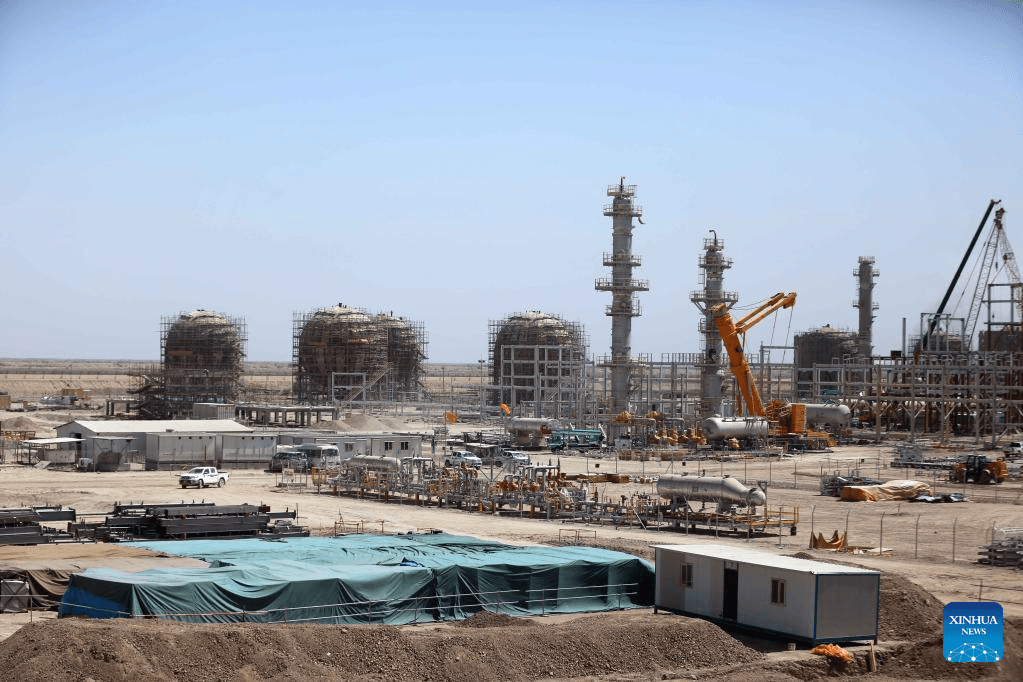
PetroChina drilled more, pumped more, and still walked away with a smaller check. China's largest oil and gas producer reported that net income slipped to 157.3 billion yuan ($22.8 billion) in 2025, down from 164.7 billion yuan the year before, a 4.5% compression driven not by operational failures but by forces well outside the company's control.
Brent crude averaged around $68 a barrel last year, roughly 15% below its 2024 average, squeezing revenues even as PetroChina managed a 2.5% increase in overall oil and gas output. The gap between what the company produced and what it earned tells the real story: falling global crude benchmarks and sluggish domestic fuel consumption in China did most of the damage.
Chinese fuel demand has been a persistent worry for commodity analysts, and PetroChina's results quantify that shortfall in concrete terms. Weaker gasoline and diesel consumption at home means softer domestic price realizations and compressed refining margins, compounding the hit from falling international benchmarks at a time when global supply has consistently outpaced demand.
Natural gas was the exception. PetroChina's gas portfolio delivered stronger output, a reflection of Beijing's deliberate push to diversify China's energy mix amid ongoing geopolitical disruptions to global supply chains. State oil majors have increasingly prioritized gas production as an energy-security measure, and that strategic pivot is beginning to show up in earnings diversification, even if it cannot fully absorb an oil price slide of this magnitude.

For global oil markets, PetroChina's numbers carry weight well beyond one company's balance sheet. As a bellwether for Chinese energy appetite, the results feed directly into forecasts about whether Asian fuel consumption will recover or continue to underperform. Sustained weakness in China, the world's second-largest economy, keeps downward pressure on Brent and constrains what oil-exporting nations can realistically expect in export revenues through the rest of 2026.
Beijing has its own direct financial stake: PetroChina is majority state-owned, and its dividends flow back into government coffers. A 7.4 billion yuan erosion in net profit means reduced fiscal firepower at a moment when Chinese policymakers are already calibrating how aggressively to fund the country's energy transition. Any production guidance or capital allocation signals from the company in the weeks ahead will be closely watched for clues about whether Beijing opts to defend output volumes or pull back investment as the price environment remains uncertain.
This article was produced by Prism’s automated news system from verified source data, official records, and press releases, then run through automated quality and moderation checks before publishing. The system is built and supervised by the people who set the standards it runs under. Read our full AI policy.
Did this article answer your question?

