PGPD Cpl. Carter and Bloodhound Beau Earn International K-9 Certification
Cpl. Carter and bloodhound Beau earned international police work dog bloodhound certification in just over a year, a development PGPD says will help find missing people and track suspects.
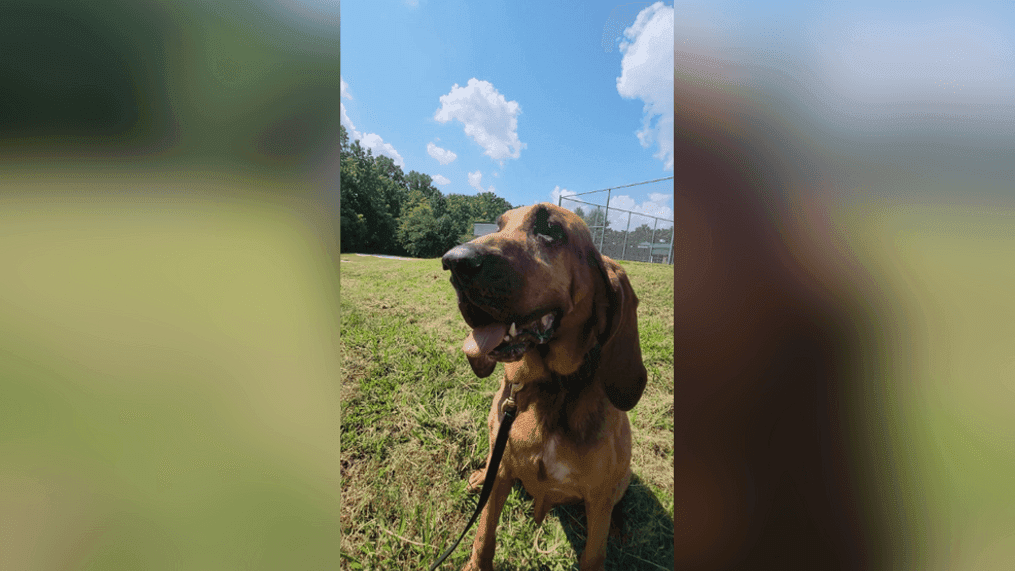
Prince George’s County Police announced Cpl. Carter and his bloodhound partner Beau achieved International Police Work Dog Bloodhound Certification in just over a year, a move the department said will bolster the county’s ability to locate missing persons and track suspects. The agency framed the announcement as an enhancement to community safety capabilities.
The department’s social media post noted the timeline for Cpl. Carter’s progress: "In just over a year with the K-9 Unit, Cpl. Carter has already distinguished himself as a patrol handler — and now adds certified bloodhound." The post places Cpl. Carter within the K-9 Unit for roughly a year and identifies Beau as the newly certified bloodhound partner.
The certification gives the pair a defined operational role within Prince George’s County: the duo will aid in locating missing people and in tracking suspects, according to the announcement. The department has not provided a full public timeline for deployments or the certifying body’s course details in the initial release.
A separate law-enforcement bloodhound also named Beau appears in an unrelated Midwestern report: that Beau is a 9 1/2-week-old bloodhound puppy handled by Trooper Dustin Pattengale and will be stationed in Fargo. That Beau is described as NDHP’s newest K-9 recruit and the fourth bloodhound to join that Highway Patrol; officials there emphasized the puppy is not the same animal as PGPD’s certified Beau.
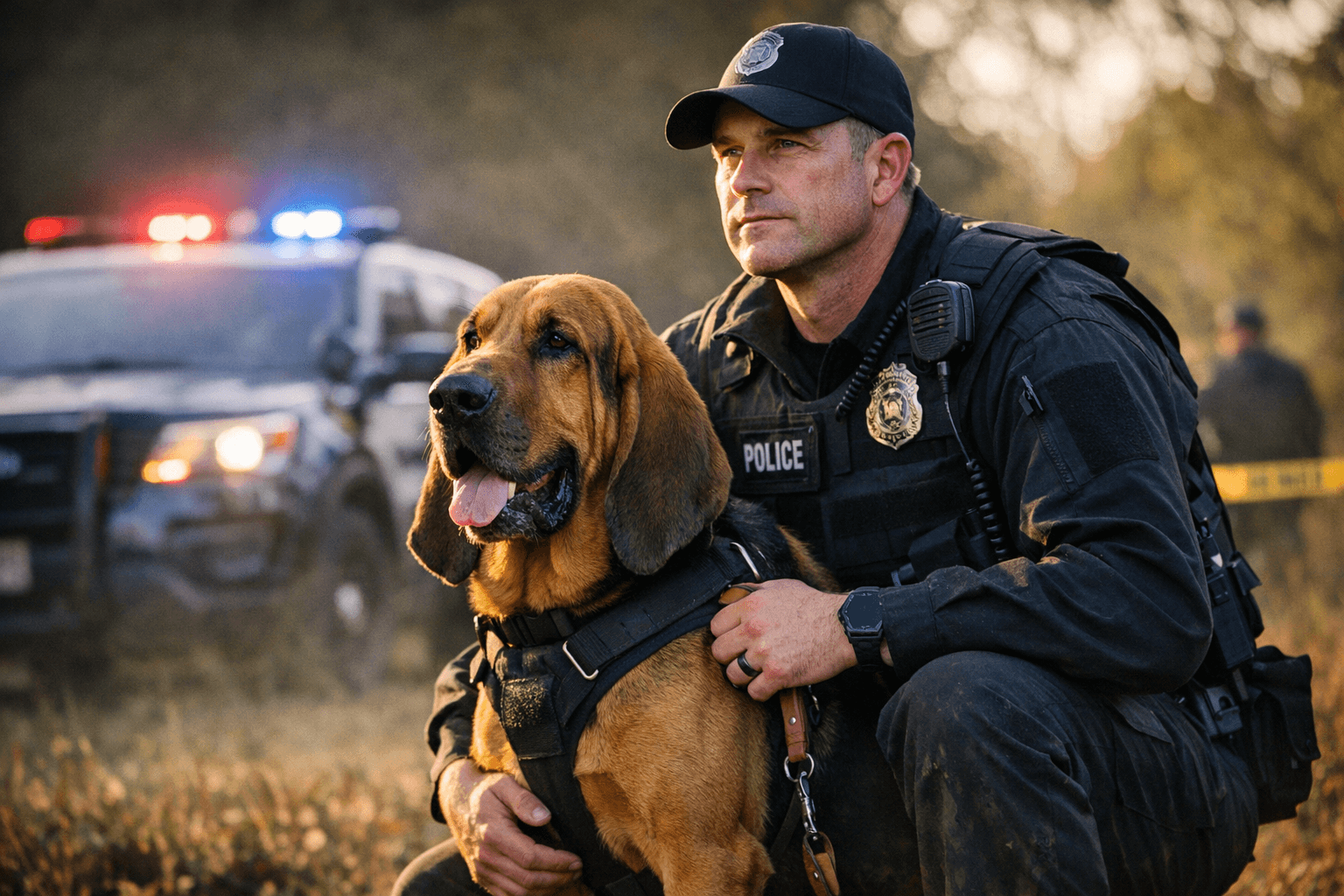
Trooper Dustin Pattengale outlined the North Dakota dog’s mission and training: "Strictly man-trailing, that is going to be his only duty," he said, adding the deployment addresses a coverage gap — the closest bloodhound had been about 70 miles away in Grand Forks. Pattengale explained the urgency for quick responses in missing-person cases: "When it comes to those cases, missing people or runaways or stuff, time a lot of the time is a factor, so we kind of want to get going as quickly we can to give us the best possible outcome."
Pattengale described early training and the bloodhound’s anatomy as part of preparing the dog for search work: handlers are doing basic puppy work such as potty and kennel training while exposing the dog to varied environments so he is not distracted on a trail. "Anything that we could run across in a trail we want him to have it experienced, so that he is focused on man-trailing instead of getting distracted," Pattengale said. He also noted physical features that aid scent work: "His ears help bring that scent towards his nose. The wrinkles on his face help capture that scent, so it makes it easier for him to smell," and summarized the breed advantage: "Any dog can be trained to mantrail. Bloodhounds are just the breed that is best for it. They have the best nose; they have more receptors in their nose that help them smell better."
Prince George’s County’s announcement places a certified bloodhound team into the county K-9 roster at a time when other agencies are investing in man-trailing capability. PGPD officials described the certification as a direct addition to their missing-person and suspect-tracking toolbox, while Trooper Pattengale’s training timeline in Fargo illustrates how agencies stage bloodhound capacity from puppyhood to deployment.
Know something we missed? Have a correction or additional information?
Submit a Tip