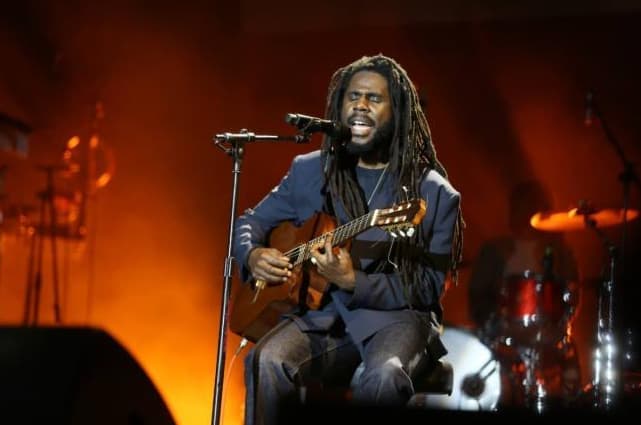
Phil Pratt, Veteran Jamaican Producer and Singer, Dies in London at 82
Phil Pratt died in London on February 25, 2026, his son Garfield "Sampalue" Phillips confirmed; the veteran producer and singer was 82 and his passing was widely reported on February 28.
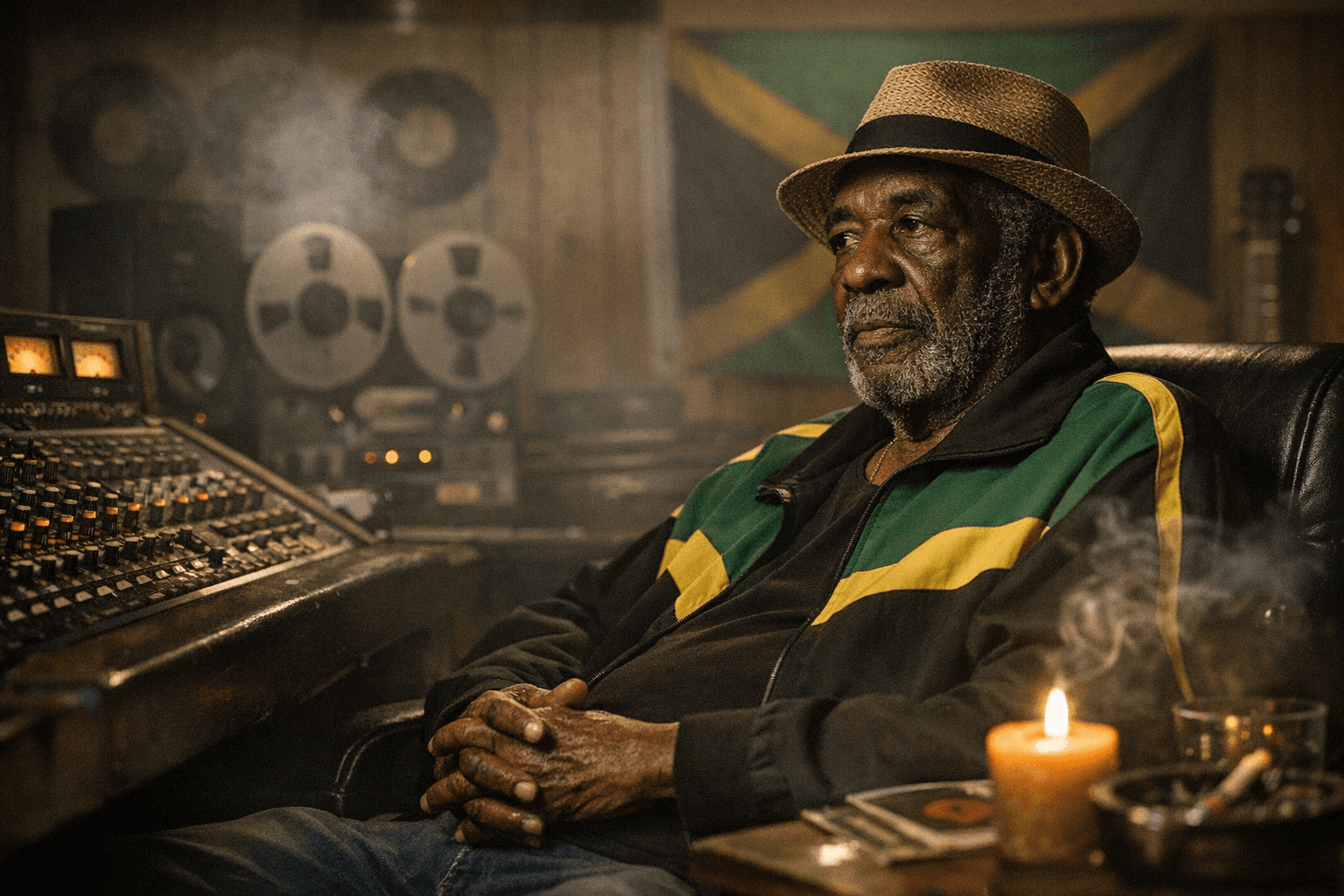
Phil Pratt, born George Phillips, died in London on February 25, 2026, his son Garfield "Sampalue" Phillips confirmed, and the news was widely reported on February 28. Pratt was 82 and leaves behind sons, daughters and grandchildren, with his son Sampalue — a producer who worked with Dennis Brown, Lady Saw and Frankie Paul — providing family confirmation to media outlets.
Reggae Vibes and the Jamaica Observer trace Pratt’s roots to West Kingston, with Reggae Vibes adding that he grew up in Denham Town and was the eldest of 17 children, raised mostly by an aunt. Reggae Vibes reports he was born around 1942 and as a youth “carried boxes for sound systems like Sir Coxsone’s Downbeat,” an early connection that led to mentorships with Clement “Coxsone” Dodd and Ken Lack.
Pratt began his career as a singer after those early mentorships, recording only a small number of vocal sides. Reggae Vibes notes “Safe Travel remains a sweet rocksteady cut,” while Grassroots reports he recorded two albums, underscoring that Pratt’s singing output was limited even as his production work grew.
Pratt’s breakthrough came as a producer with Pat Kelly’s “How Long,” and he went on to make a string of Sunshot label hits in the 1970s, including Pat Kelly’s “Talk About Love,” Holt’s “Strange Things” and “My Heart Is Gone,” and Ken Boothe’s “Artibella,” all cited by the Jamaica Observer. The Observer also notes that “Artibella” was later sampled by Snoop Lion, aka Snoop Dogg, for the 2013 track “La La La.” Deejay Dennis Alcapone recorded for Pratt as well, cutting tracks such as “This A Butter.”
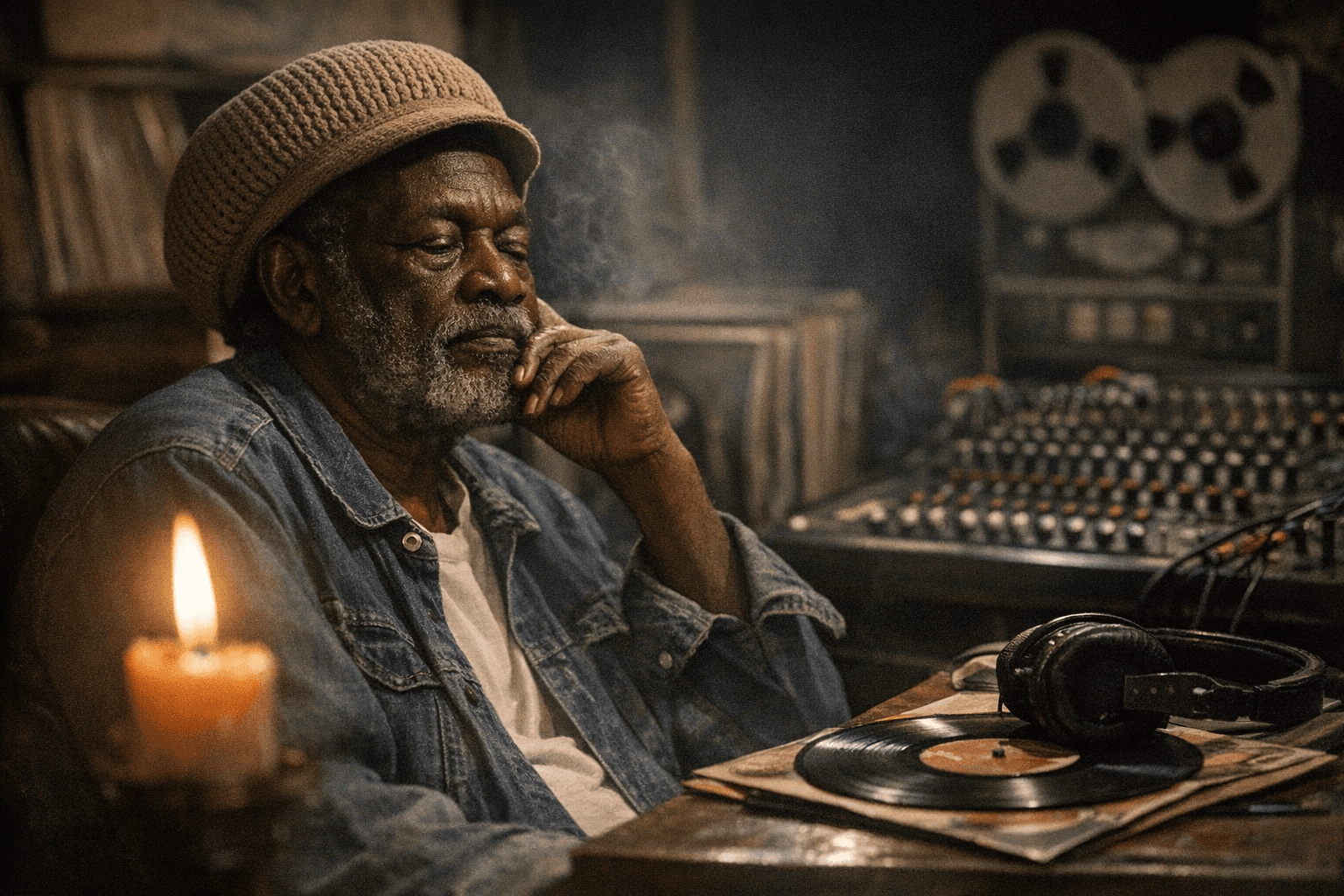
Beyond Sunshot, Reggae Vibes reports Pratt owned four labels in his career, though additional label names are not listed in published accounts. Jamaica Observer and Alcapone recall Pratt’s Orange Street record shop in West Kingston, located near Bunny Lee’s shop; Alcapone said, “Phil Pratt was a very quiet person. His business place on Orange Street was near to Bunny Lee’s record shop and they were pretty close. He was a good producer who come with hits every now and then, but when him hit, him hit big.”
Pratt migrated to the United Kingdom and lived there for more than 40 years, opening and operating a restaurant in Harlesden, north west London, a neighborhood known for its West Indian community. Social media reaction included posts such as “So sad to hear of the passing of Phil Pratt. Excellent producer and singer. #reggae #rocksteady #jamaica #pressuresounds #dub,” reflecting the response among fans and collectors.
Reggae Vibes framed Pratt as a quietly foundational figure: “When we talk about the key producers of ska, rocksteady and early reggae … you know the name Phil Pratt has to be in that conversation too,” and added that “his real voice was the studio itself.” No cause of death or exact birth date has been published in the reports to date. Pratt’s Sunshot singles, Orange Street-era connections and Harlesden years mark a career that bridged Kingston sound-system culture and the Jamaican diaspora in the UK.
Know something we missed? Have a correction or additional information?
Submit a Tip