Photographer injured in rare wildlife incident pauses New Zealand Pro
A photographer in the water was injured by a suspected sea lion or shark, halting the New Zealand Pro semifinal just as Yago Dora led Italo Ferreira.
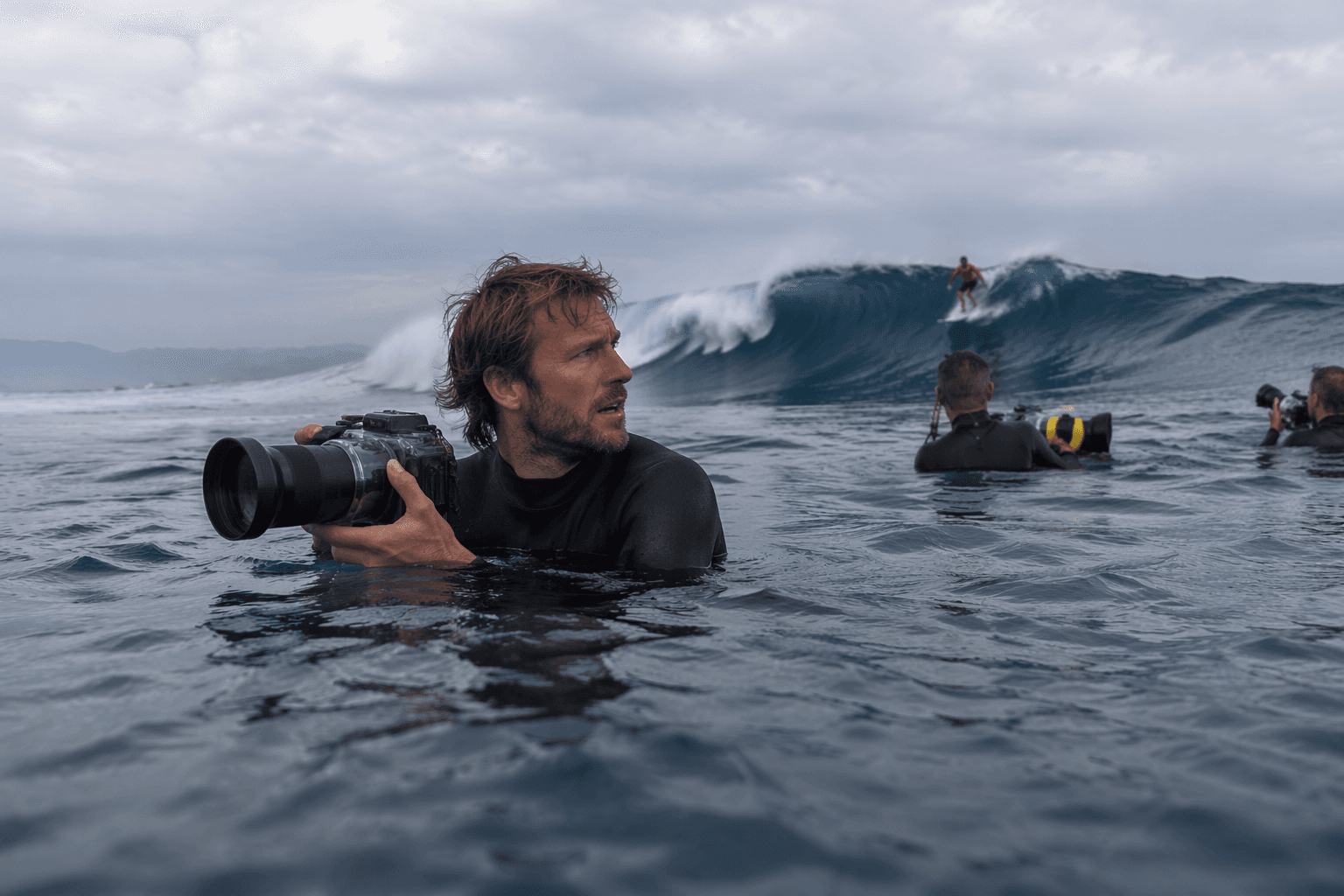
A rare wildlife incident stopped the Corona Cero New Zealand Pro at Raglan on Monday after a photographer in the water suffered puncture wounds that organizers believed may have come from a sea lion or a shark. The interruption came during the men’s semifinal between Brazilian world champions Yago Dora and Italo Ferreira, after a long wait for workable swell at Manu Bay on New Zealand’s North Island.
The World Surf League said the photographer, part of its in-water media team, received medical attention and was in stable condition. Renato Hickel, the league’s tours and competition vice president, said officials were still trying to determine whether the injury came from a shark or a sea lion, although the doctor on site leaned toward a sea lion. The league planned to review the situation and hoped to restart competition in the afternoon.
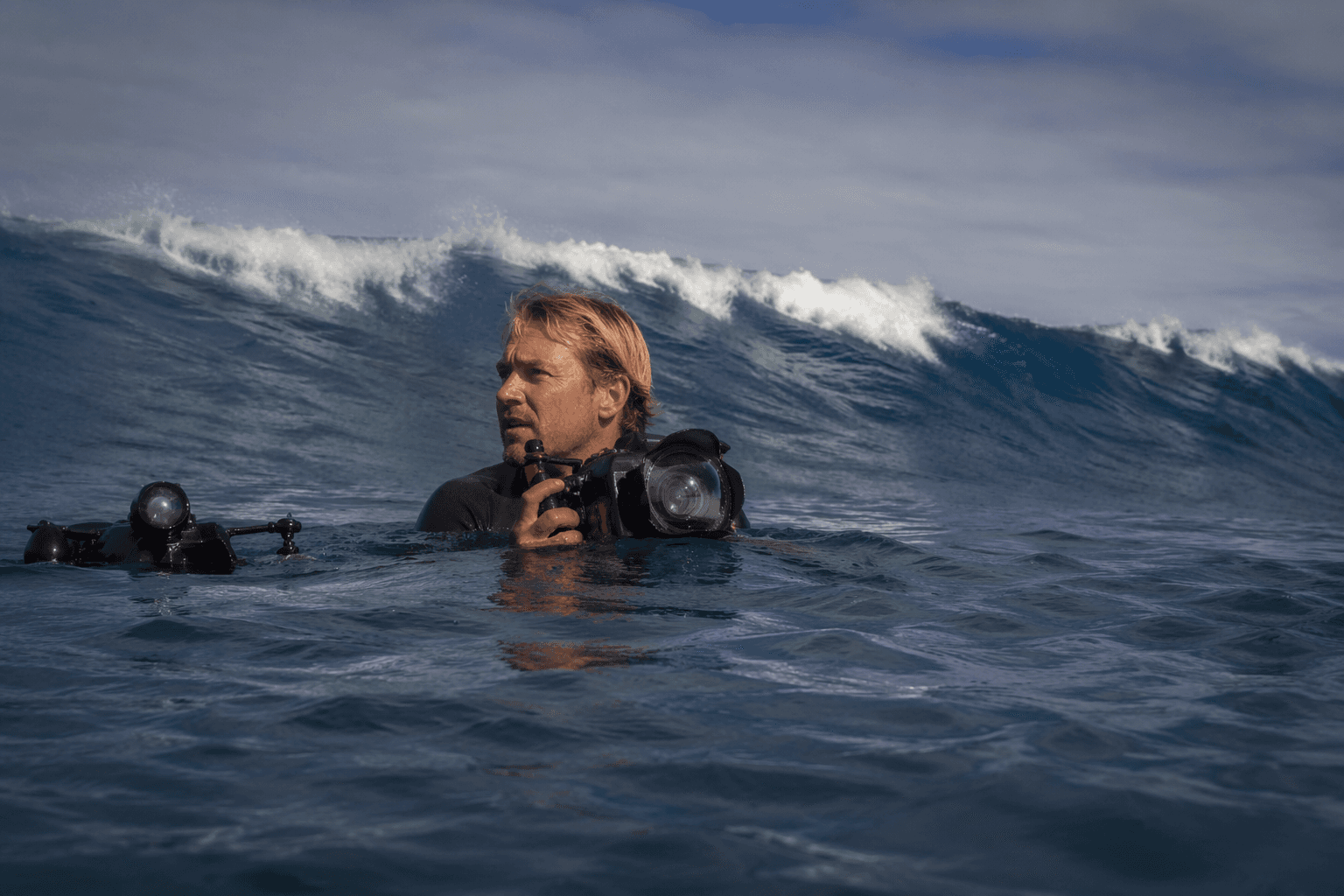
The pause carried added weight because the event had already been stretched by limited surf. The New Zealand Pro ran May 15-25 at Manu Bay, Raglan, the fourth stop on the 2026 Championship Tour and the first-ever Championship Tour event held at the break. WSL had chosen Raglan in part because Manu Bay offered an optimal time-of-year setting for the region’s famous left-hand point break, with support from the New Zealand Government. In a sport built around tides, swell and wind, even the best-laid schedule can be overtaken by conditions.
That tension was visible in the bracket itself. Dora had earlier posted the first perfect 10-point ride of the 2026 season and was leading Ferreira when the semifinal was halted. Other finalists were also waiting for the resumption, underscoring how a single marine incident can ripple through an entire event when athletes, judges, broadcasters and photographers are all operating in the same narrow stretch of water.
The incident also sharpened the long-running question of how much exposure surf contests demand from the people documenting them. In-water photographers work inches from the action to capture angles that land-based crews cannot, but that access places them in the same unpredictable environment as the surfers. Wildlife encounters remain rare, yet the sport still measures them against the most famous scare of all, Mick Fanning’s 2015 shark encounter at Jeffreys Bay, South Africa. At Raglan, the interruption was brief, but it was a reminder that elite surfing is managed as much as a safety operation as a sporting one, especially in crowded coastal zones where weather, wildlife and competition all meet at once.
This article was produced by Prism’s automated news system from verified source data, official records, and press releases, then run through automated quality and moderation checks before publishing. The system is built and supervised by the people who set the standards it runs under. Read our full AI policy.
Did this article answer your question?

.jpg&w=1920&q=75)
