Photographer Jack Thornell, who captured James Meredith shooting aftermath, dies at 86
Jack Thornell’s frame of James Meredith bleeding on a Mississippi highway turned one shooting into a defining civil rights image and fixed racial violence in national memory.
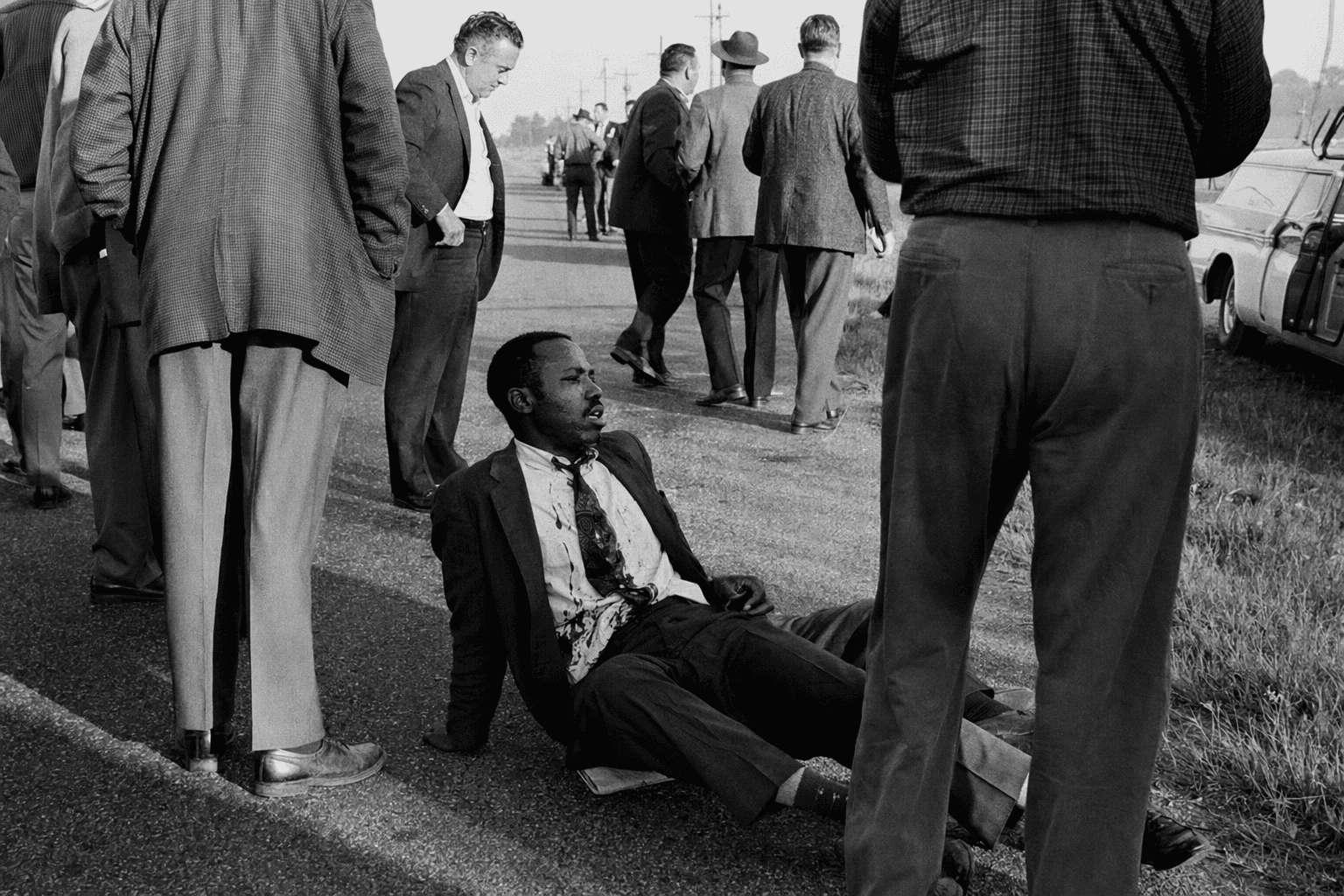
One photograph made a roadside ambush impossible to ignore. Jack Thornell’s Pulitzer Prize-winning image of James Meredith, shot on a Mississippi highway in 1966 and turned toward Aubrey James Norvell in a weedy ditch, became one of the most searing pictures of the civil rights era.
Thornell, a former Associated Press photographer who worked for the wire service from 1964 to 2004, died at 86 on Thursday, April 23, 2026, at a hospital in Metairie, Louisiana, from complications from kidney disease, his son Jay Thornell said. His career began in New Orleans with coverage of the integration of a Mississippi Gulf Coast school on his first day in the bureau, a sign of how often his assignment put him at the center of the South’s legal and racial upheaval.
In June 1966, when Thornell was 26, he was assigned to cover Meredith’s March Against Fear, a solo walk from Memphis, Tennessee, to Jackson, Mississippi, meant to encourage Black voter registration and protest civil rights abuses. Meredith had already altered American history in 1962 by becoming the first African American admitted to the University of Mississippi, a move that triggered riots that killed two people.
The march barely got underway. On June 6, 1966, the second day of the walk, Meredith was shot on U.S. Highway 51 near Hernando, Mississippi. Thornell and another photographer were parked roadside when the first shotgun blast sent them scrambling. Thornell’s photographs showed Meredith writhing in agony, then captured the instant that made history: Meredith on the pavement, his head turned toward the man who had shot him.
The image traveled quickly through wire-service channels and into newspapers across the country, forcing readers to confront the violence that still shadowed the fight for voting rights and equal citizenship. Thornell initially feared he had missed the decisive frame, but after developing the film he realized he had captured the image that would win the 1967 Pulitzer Prize in Photography.
Meredith was hospitalized and recovered. Norvell was apprehended at the scene, pleaded guilty and served 18 months of a five-year prison sentence. The march resumed under the leadership of major civil rights organizations, and Stokely Carmichael’s remarks there helped push “Black Power” into the national vocabulary. Thornell, his son said, was loving but regimented and stubborn, and he often did not fully appreciate the significance of the work that made his name.
This article was produced by Prism’s automated news system from verified source data, official records, and press releases, then run through automated quality and moderation checks before publishing. The system is built and supervised by the people who set the standards it runs under. Read our full AI policy.
Did this article answer your question?

