Physical game sales fade as PlayStation and Nintendo go digital
Discs are becoming the packaging, while PlayStation and Nintendo shift control to platforms that shape pricing, resale, access, and preservation.
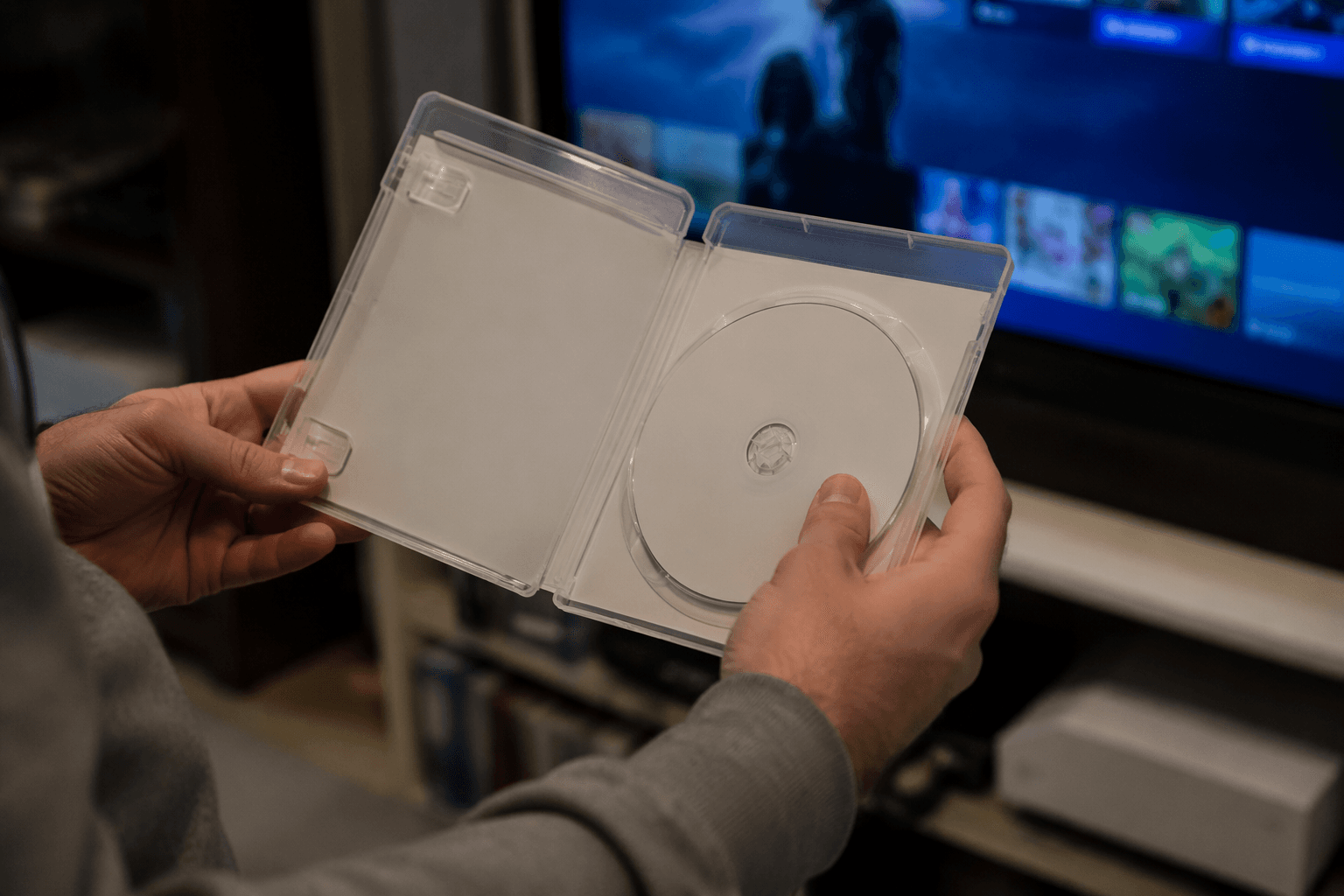
Nintendo’s Switch 2 game-key cards do not contain the full game data and instead download it over the internet. As PlayStation and Nintendo push harder into digital distribution, the power to set prices, limit resale, and decide how long a title stays available is moving away from players and toward the companies that run the platforms.
The market has already crossed the tipping point
Sony Interactive Entertainment’s own business data shows just how large the digital ecosystem has become. PlayStation 4 and PlayStation 5 software sales reached 317.9 million units in FY2025, and Sony says that total includes both physical copies and download-only titles. The company also reported 125 million monthly active users as of March 31, 2026.
The economics of software look very different once distribution is digital. A disc can be resold, borrowed, or tucked onto a shelf for years. A download is tied to a platform account, a store policy, and the continued availability of servers.
Sony’s revenue mix shows where the money is going
PlayStation’s revenue structure makes the same point even more clearly. Sony’s FY2024 corporate report shows physical software at just 3% of PlayStation gaming revenue, compared with 20% from digital software and 29% from add-on content.
Digital purchases now account for roughly 85% of PlayStation game sales. Digital is now the default, and physical is a niche. For players, that means discounts can arrive faster, but it also means Sony and its publishing partners have more room to shape regional pricing, bundle strategy, and timed availability without the friction of physical inventory.
Nintendo’s cartridge future is not fully physical anymore
Nintendo is following a similar path, even on a system that still uses cartridge-shaped media. The Nintendo Switch 2 supports both regular game cards and game-key cards. The cartridge is becoming a token for access rather than a complete copy of the game.
A traditional cartridge could be inserted and played offline, often with little dependence on a company’s servers. A game-key card keeps the shelf presence, but it shifts the real asset to a download that can be governed by account rules, network access, and future service decisions.

Why publishers want the shift
In its 2024 Integrated Report, Capcom says its consumer market digital sales ratio is above 90% and that it is pursuing a digital strategy to grow software sales. That strategy is easy to understand from a balance-sheet perspective: digital sales reduce manufacturing, shipping, and retail inventory costs, while also allowing publishers to reach global buyers instantly instead of waiting for a physical rollout.
Those savings can widen margins, but they also reinforce platform power. Once sales move into a digital storefront, the publisher and platform can steer promotions, regional releases, and storefront placement in ways that are difficult to replicate in a store aisle.
What buyers gain, and what they lose
The digital model does bring real benefits. It removes a trip to a store, makes midnight launches possible without leaving home, and can keep niche titles available longer than a brick-and-mortar shelf cycle would allow. It also helps major platforms reach enormous audiences quickly, which is one reason Sony can report 125 million monthly active users while physical media fades into the background.
But the costs are structural. Resale becomes harder or impossible for many digital purchases, price competition can be more opaque, and access can depend on login credentials and the continuing life of an online service. Preservation is the sharpest issue: if a game-key card does not contain the full game data, then the practical value of the purchase depends on the download remaining available, the account staying active, and the internet being there when needed.
The long decline of physical spending puts the shift in context
The shift has accelerated alongside a long decline in physical spending. In August 2024, Circana said the U.S. video game market was expected to rebound in 2025 after a difficult 2024, helped by Nintendo’s next hardware platform and Grand Theft Auto VI. That rebound in overall spending does not mean a comeback for discs. Circana’s Mat Piscatella has said U.S. physical video game spending is now more than 85% below its 2008 peak, a collapse that captures how far the retail model has already receded.
This article was produced by Prism’s automated news system from verified source data, official records, and press releases, then run through automated quality and moderation checks before publishing. The system is built and supervised by the people who set the standards it runs under. Read our full AI policy.
Did this article answer your question?