Pilates becomes a status symbol in Spain’s dating culture
Pilates has become more than exercise in Barcelona: it now signals discipline, taste, and social status in the dating market. That shift is reshaping how studios sell wellness.
Pilates as a social badge
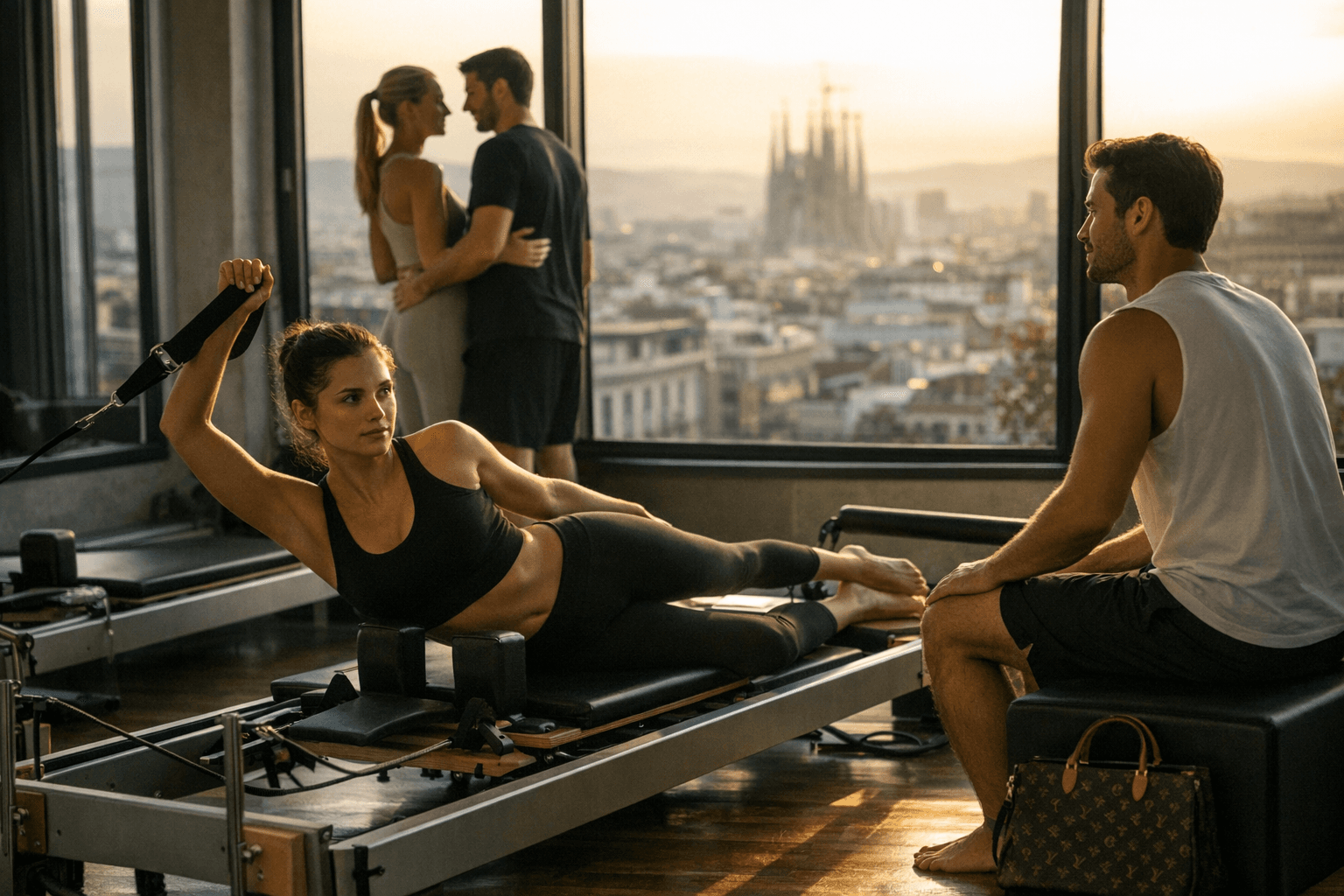
Pilates in Spain is no longer just a training choice. In Barcelona’s dating culture, it is increasingly read as shorthand for discipline, body control, and a polished wellness lifestyle, which is exactly why a throwaway line about only dating women who do Pilates landed so hard. The real story is not the joke itself, but the social sorting it exposes: fitness is now helping define who is considered desirable, aspirational, and worth pursuing.
That matters because Pilates sits at the intersection of several powerful signals at once. It suggests time, money, self-discipline, and an ability to participate in a particular urban version of health and beauty. In a city like Barcelona, where premium fitness is visible and social life often overlaps with lifestyle branding, Pilates has become a status marker as much as a workout.
Why the joke hit a nerve
The reason this comment resonated goes beyond dating chatter. EL PAÍS had already framed the gym as the “new epicenter” of social life, visiting some of Spain’s 4,800 fitness venues to understand why they pull so strongly. That framing helps explain why exercise is now doing cultural work that used to belong to bars, clubs, and other social spaces.
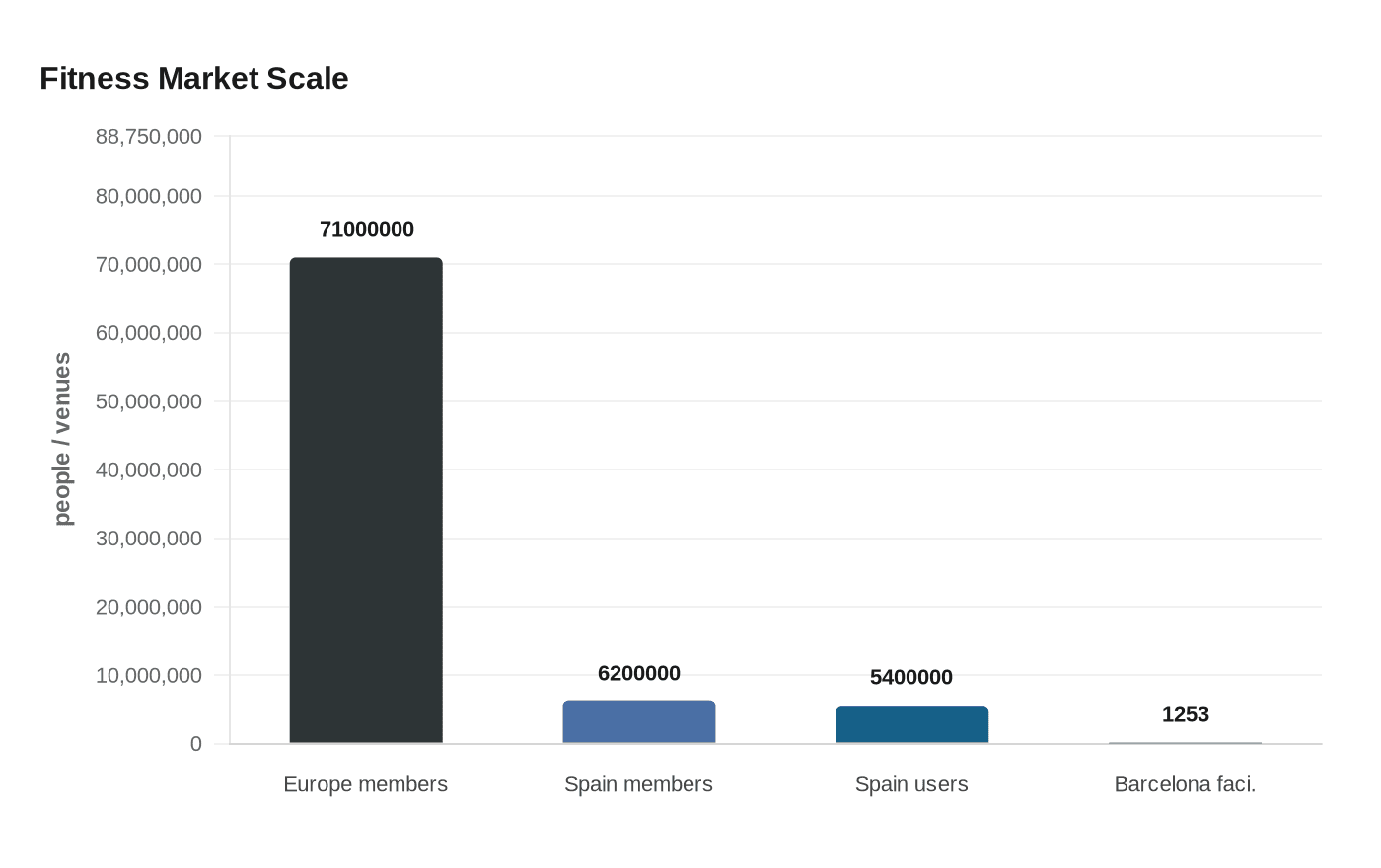
Spain’s fitness market is large enough for these habits to feel mainstream, not niche. EuropeActive and Deloitte reported that Spain reached 6.2 million fitness club members in 2024, an 8.7% increase year on year, with revenue rising to €2.6 billion, up 11.1%. Across Europe, membership passed 71 million for the first time. When a sector gets that big, its codes stop being isolated subculture and start becoming part of everyday social judgment.
The broader Spanish market reinforces that shift. OBS Business School said Spain had 4,561 gyms and 5.4 million users in its 2024 report. Those numbers show a sector wide enough to influence how people socialize, flirt, and signal identity. Once fitness becomes a normal part of city life, it can also become a normal way to evaluate someone’s social value.
What Barcelona studios are really selling
Barcelona’s Pilates economy is not just selling classes. It is selling a version of selfhood that blends wellness, design, and belonging. Agō Pilates Studio in Eixample describes itself as a “third space” for locals, expats, busy professionals, students, and parents, which is a clear sign that the studio is positioning itself as a social hub, not just an exercise room.
PILAT3S in Gràcia leans even further into the lifestyle register, describing its site as an “exclusive studio design” with 16 reformers and fully equipped changing rooms with showers. Those details matter because they frame the experience as premium and curated. The class is only part of the offer; the rest is ambiance, ease, and the feeling of being inside a particular class-coded world.
Urban Sports Club currently lists 27 reformer Pilates venues in Barcelona, which shows how quickly the category has moved beyond the boutique fringe. Reformer Pilates is no longer a rare find reserved for a few specialist studios. It is now a citywide offer, and that scale helps explain how it has turned into a social marker that people recognize instantly.
Barcelona’s public fitness infrastructure also shows how dense the city’s activity ecosystem has become. Barcelona City Council’s sports-facilities directory lists 1,253 sports facilities in the city, while the council’s interactive map, launched to help residents find municipal sports centres by district, lets people quickly see services, opening hours, and whether pools are covered or open. In a city this saturated with fitness options, the difference between functional exercise and lifestyle signaling becomes easier to spot.
How dating culture turns fitness into desirability
The dating-app side of the story helps explain why Pilates carries so much meaning. A 2025 systematic review in Computers in Human Behavior found that more than 85% of the studies it examined reported a significant negative relationship between dating-app use and body image. Nearly half also found negative effects on mental health and wellbeing. That matters because app-based dating makes appearance, presentation, and rapid judgment feel unavoidable.
Another study found that social media and dating-app use were associated with a greater drive for muscularity, especially among young men. Put simply, digital dating does not just reflect body ideals, it can intensify them. In that environment, Pilates becomes more than a class choice. It becomes a visible shorthand for the kind of body discipline and lifestyle curation that people think they are supposed to want.
This is where the cultural meaning sharpens. Pilates often reads as refined, controlled, and aesthetically literate, which is why it can be attached to class, desirability, gender expectations, and “wellness status” all at once. The workout itself is not the point. The point is the social narrative built around it.
What this means for studios and wellness brands
For Barcelona operators, the commercial opportunity is obvious. Pilates, reformer concepts, and hybrid wellness spaces can attract people who want more than a workout. They want belonging, identity, and a space that feels aligned with the image they want to project. That makes the category especially powerful in neighborhoods where premium fitness is already highly visible, including Eixample, Gràcia, and Poblenou.
But the same positioning can backfire if it tips too far into exclusivity. If Pilates becomes too tightly associated with appearance or social gatekeeping, it risks alienating potential users who feel they do not match the image. The stronger brands will be the ones that understand the difference between aspiration and exclusion.
The practical lesson is clear: tone, imagery, and community design now matter as much as equipment. Studios that want lasting loyalty will need to present Pilates as accessible and socially welcoming, not as a test of who belongs in the room. In Barcelona’s crowded fitness market, that balance is what will separate a passing wellness signal from a durable community space.
Pilates has crossed into the language of status because modern dating rewards visible discipline and curated identity. In Spain’s urban fitness culture, that makes the studio floor feel a lot closer to the social stage.
Sources:
Know something we missed? Have a correction or additional information?
Submit a Tip