PioneerCare, Habitat to Build 60 Childcare Slots in Fergus Falls
PioneerCare and Fergus Falls Area Habitat for Humanity announced plans to add up to 60 childcare slots on Channing Avenue, expanding local childcare access.
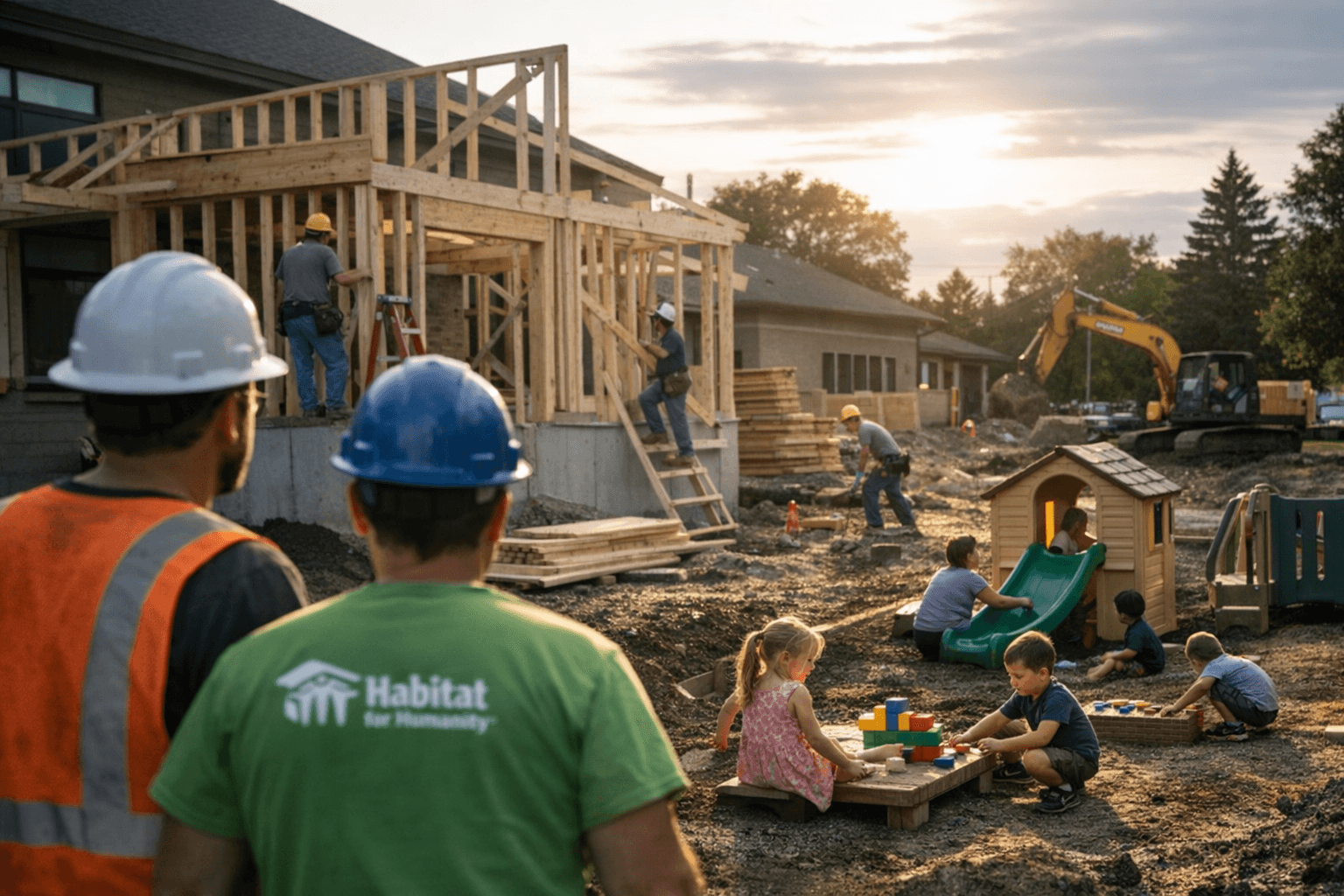
PioneerCare and Fergus Falls Area Habitat for Humanity announced a joint effort to expand affordable, licensed childcare in Fergus Falls, unveiling plans on January 14 to build up to 60 new slots on vacant PioneerCare land off Channing Avenue. The project will roll out over multiple phases through 2028, with Phase One led by Fergus Falls Area Habitat for Humanity and slated to begin construction in Spring 2026.
Organizers said the design emphasizes small, neighborhood-style childcare pods intended for independent, licensed providers rather than a single large center. PioneerCare will serve as project owner and catalyst for the initiative. Nathan Johnson, CEO of PioneerCare, framed the effort as a cross-sector collaboration: "This project isn’t about one organization—it’s about what we can accomplish together as a community to get something good done."
The community capital campaign has raised $1.2 million toward a $1.4 million goal, driven by contributions from local businesses, foundations, charitable trusts, and other partners. Organizers are asking residents, service clubs, employers, and local donors to help close the remaining funding gap so construction can proceed on schedule.
For Otter Tail County residents, expanded childcare capacity matters beyond child supervision. Local officials and employers have long cited limited childcare as a barrier to workforce participation, especially for parents of young children and early childhood educators seeking stable placements. Adding up to 60 slots in neighborhood settings could ease waitlists, support local hiring, and offer more choices for families seeking licensed care close to home.
The pod model also shifts some early care provision toward smaller, locally rooted operations that may be easier to staff and regulate than a single large facility. That has implications for licensing, inspection, and provider training; local regulators and nonprofit partners will need to coordinate to ensure consistent quality and safety standards as pods come online.
Timing is practical but cautious. With construction beginning in Spring 2026 for Phase One, residents should expect incremental increases in capacity through 2028 rather than an immediate relief of current shortages. The phased approach gives planners time to align licensing, staffing pipelines, and funding for subsequent buildouts.
Our two cents? Keep an eye on project updates, attend upcoming community meetings, and consider contributing or connecting qualified providers to the project. Filling the final fundraising gap and aligning local workforce supports will determine whether these pods deliver the reliable, affordable childcare Fergus Falls families and employers have been waiting for.
Sources:
Know something we missed? Have a correction or additional information?
Submit a Tip