Pittsburgh lands 2026 NFL Draft, first time hosting since 1948
Pittsburgh staged its first NFL Draft since 1948, with Point State Park and Acrisure Stadium set for a 257-pick spectacle expected to draw up to 700,000 visitors.
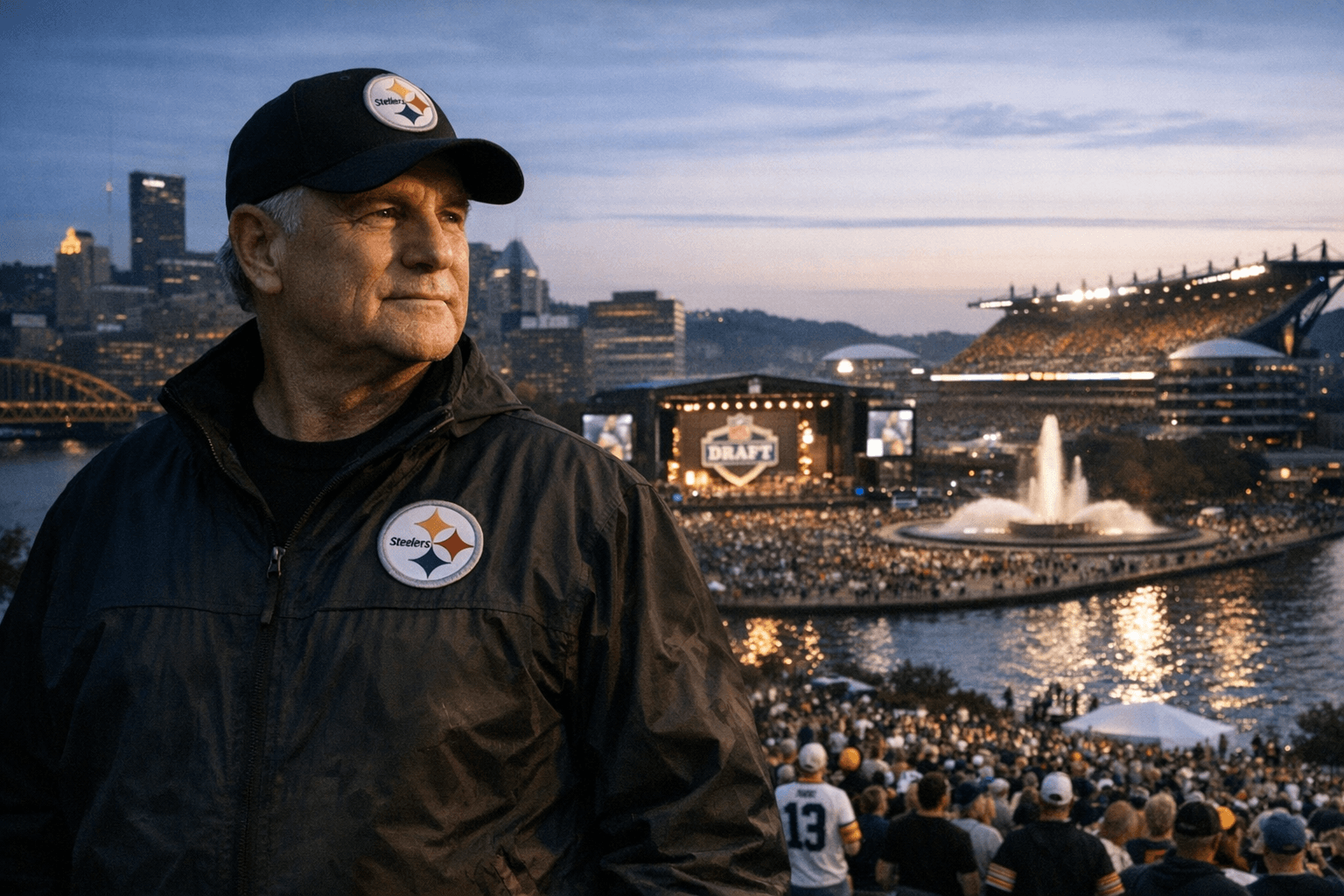
Pittsburgh turned its black-and-gold identity into a national stage as it hosted the 2026 NFL Draft, the league’s 91st edition and its first in the city since 1948. Over three days, 257 picks were spread across seven rounds from Point State Park and Acrisure Stadium, linking downtown, the riverfront and the North Shore in a showcase built as much for civic branding as for football.
The return carried historical weight. The NFL said Pittsburgh last hosted the draft at the Fort Pitt Hotel in 1948, although some reporting has described the city’s previous turn as a December 1947 draft for the 1948 season. Either way, the gap stretched almost eight decades, long enough for the event to become a symbol of how Pittsburgh has tried to recast its sports culture as an economic asset.
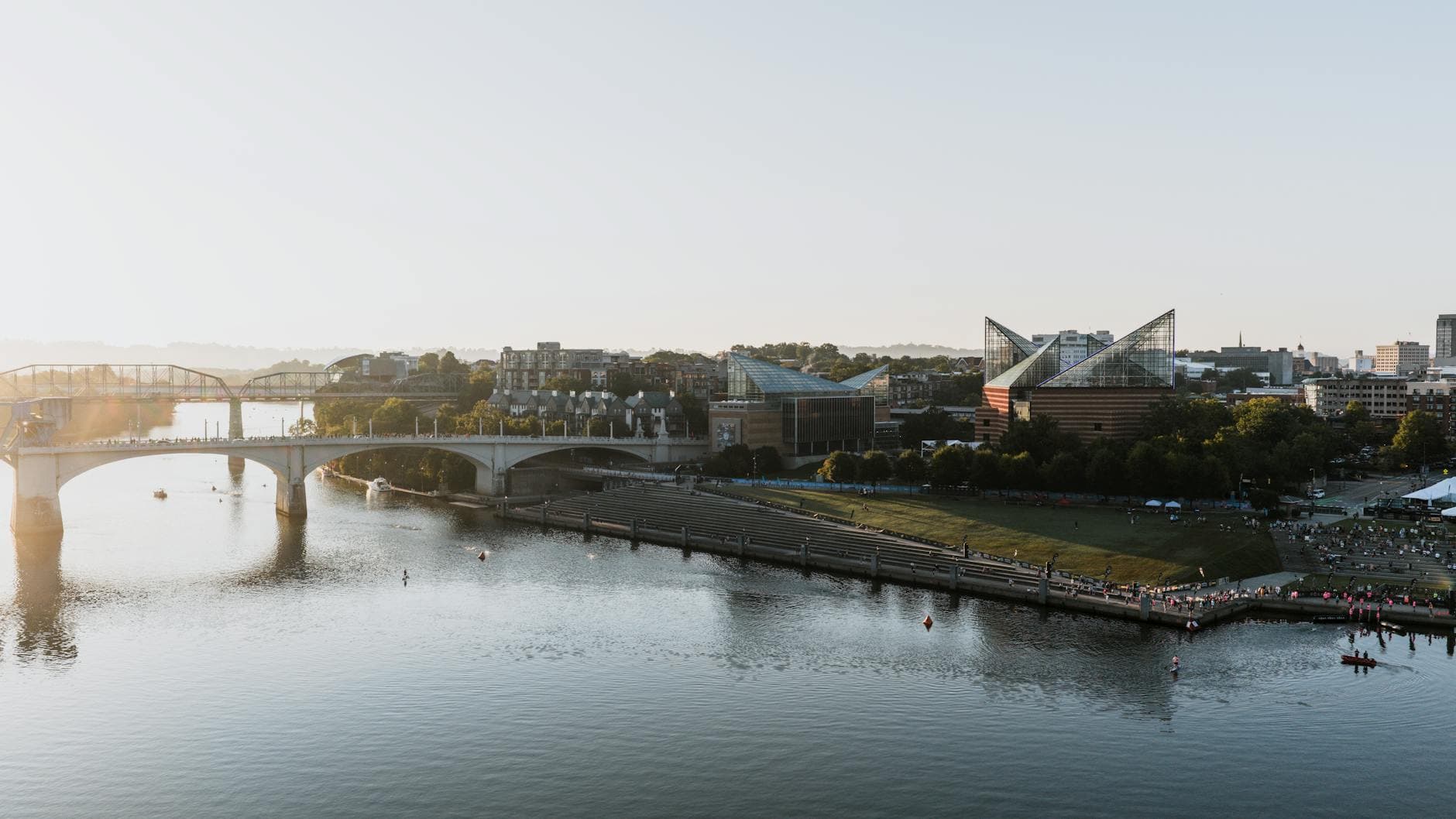
That strategy did not happen by accident. The Pittsburgh Steelers and VisitPITTSBURGH jointly bid for the draft, and local coverage said the city had been pushing for hosting rights after previous attempts. The league and tourism officials framed the event as a way to display downtown, the riverfront and the city’s football identity in one concentrated sweep, with fan activities split across the Allegheny River.
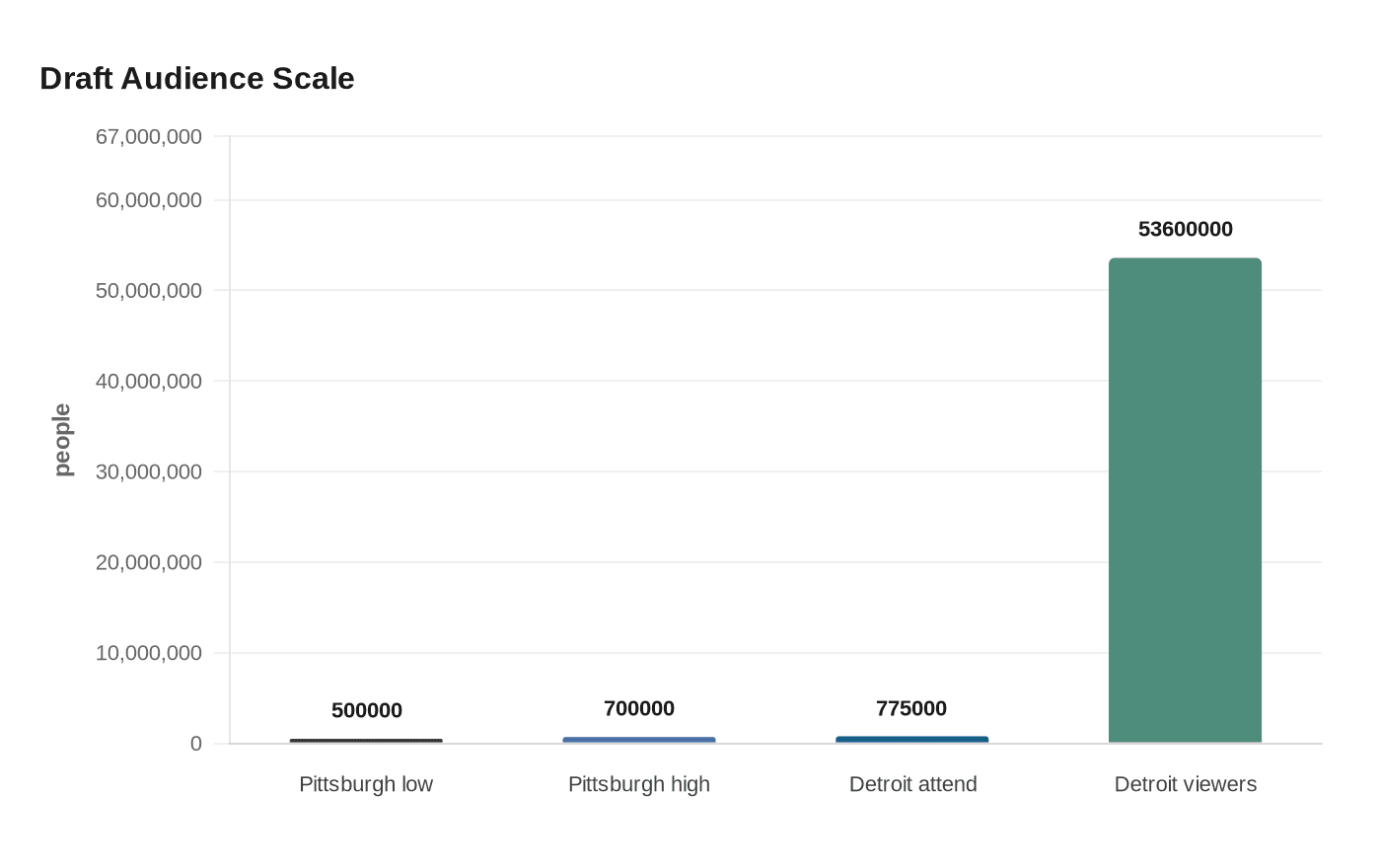
The economic hopes were large. Organizers expected roughly 500,000 to 700,000 visitors over the three-day event, a crowd big enough to make it one of the city’s biggest gatherings ever. The NFL said more than 3 million fans have attended draft festivities in person nationwide since 2015, and it pointed to Detroit’s 2024 draft as a record-setting benchmark, with 775,000 in-person attendees and more than 53.6 million total viewers over three days.
Those numbers explain why cities compete so hard for the draft: it promises hotel nights, packed restaurants, national visibility and a rare burst of attention that can reach far beyond the stadium district. They also raise the harder question that follows every mega-event. A three-day surge can showcase a skyline and fill a calendar, but the lasting test is whether the spotlight turns into investment that reaches beyond the few blocks closest to the stage. In Pittsburgh, the draft became an audition for that claim, with the city betting that football still sells the Steel City as more than a game-day destination.
This article was produced by Prism’s automated news system from verified source data, official records, and press releases, then run through automated quality and moderation checks before publishing. The system is built and supervised by the people who set the standards it runs under. Read our full AI policy.
Did this article answer your question?

.jpg&w=1920&q=75)
