Pizza Hut dine-to-donate fundraisers: what organizers and store teams need to know
Many local Pizza Hut restaurants donate commonly 20% of qualifying orders to schools, teams, and nonprofits—here’s a practical guide for organizers and store teams running dine‑to‑donate nights.
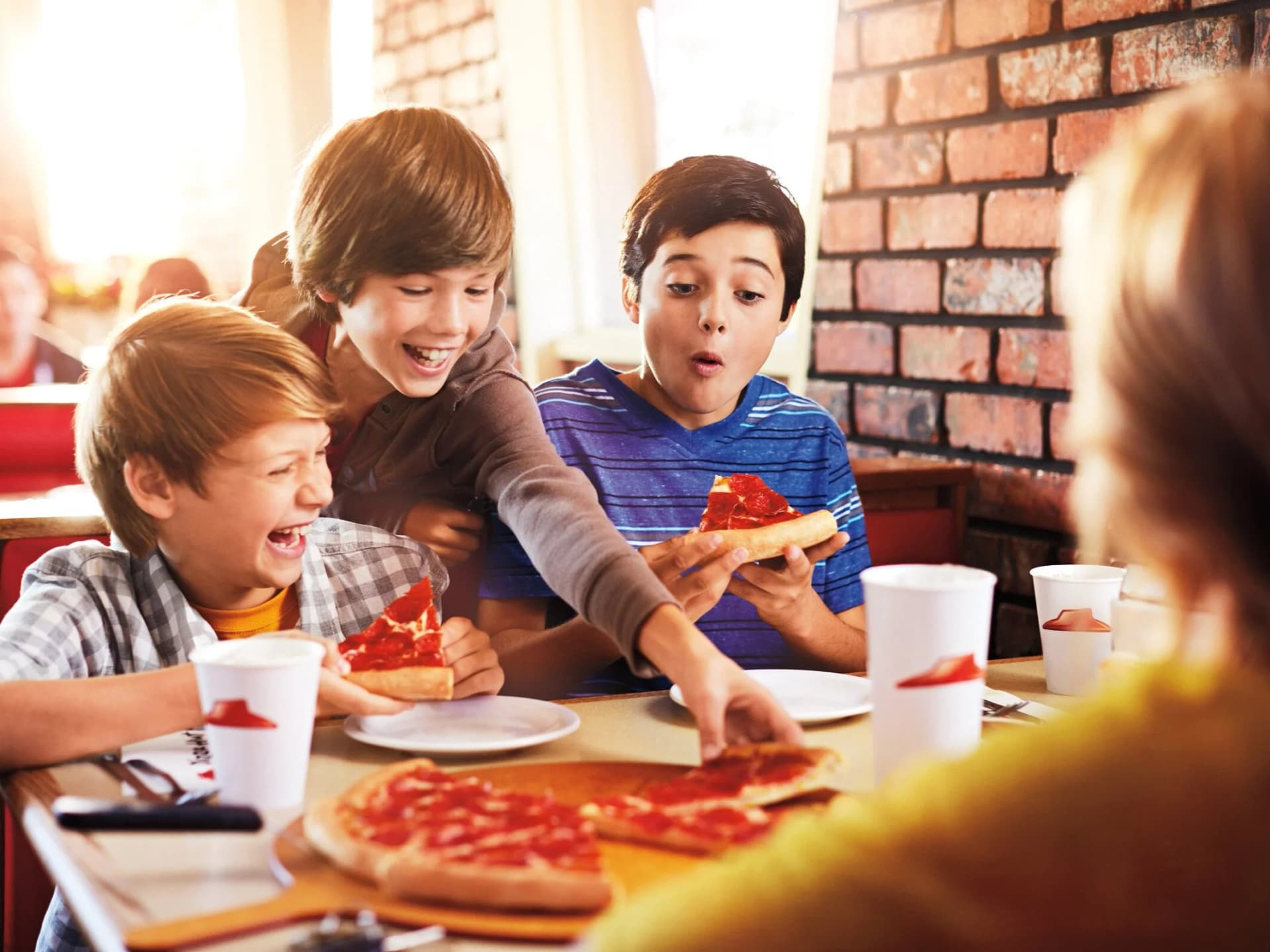
“Many local Pizza Hut restaurants sponsor dine‑to‑donate or ‘fundraiser night’ events where a percentage of sales (commonly 20% of qualifying orders) is donated to a school, team or nonprofit.” That line captures the basic promise of a Pizza Hut fundraiser: a straightforward way for communities to raise money by eating together. For organizers and store managers, the work is largely in aligning expectations, confirming eligibility and crediting mechanisms, and marketing the night so supporters actually show up.
What dine‑to‑donate means in practice RaiseRight sums up the basic model plainly: “Hosting a restaurant night at a pizza place is one of the easiest (and often most profitable) ways to fundraise.” In most implementations you partner with a restaurant that offers a fundraising program, choose a date, and invite supporters to dine in or order takeout. Tourette Association of America’s guidance adds three operational notes: “In most instances, those attending the event will need to mention the fundraiser or bring a flyer with them,” “The fundraiser will work with the restaurant directly to determine how it works for their establishment,” and “The fundraiser will need to complete a TAA 501(c)3 form, which we can provide to you.” Those three points encapsulate the core interactions between organizer, restaurant, and supporters.
Three practical models organizers can use There are three explicit approaches you can take, depending on your capacity and the restaurant’s programs.
- Traditional dine‑to‑donate / fundraiser night: Partner with the local Pizza Hut (or another pizzeria), set a date and time, and have supporters dine in or order takeout. Supporters typically need to mention the fundraiser or present a flyer; some restaurants also use promo codes for online orders. The restaurant determines the final structure: “The fundraiser will work with the restaurant directly to determine how it works for their establishment.”
- Gift‑card fundraisers via RaiseRight: “Absolutely! You can run a pizza fundraiser solely using RaiseRight—no restaurant partnership required.” Buy gift cards from participating brands (RaiseRight lists Domino’s, Papa John’s, or Pizza Hut), sell them to supporters, and let those supporters use the cards later. RaiseRight’s pitch: “No planning, no profit cuts, and eGift cards are available instantly.”
- RaiseRight local dining program: Organize an “informal” fundraiser by having supporters link a card in the RaiseRight app and dine at the participating spot. “Your organization earns 5% every time a participant dines and pays with a linked credit or debit card—tax and tip included!” RaiseRight also suggests pairing this program with an on‑night fundraiser to increase revenue.
Financial expectations and how to set them Expect variation by brand and by location. The core Pizza Hut figure in the material is that many locations donate “commonly 20% of qualifying orders.” RaiseRight gives a broader range for pizza nights generally: “Depending on the restaurant's terms, your organization can earn 20–40% of the evening’s sales.” If you combine RaiseRight gift cards or the local dining program with a dine‑to‑donate night, RaiseRight claims you could “earn an additional 8 to 10% (or more) on top of your dine-to-donate proceeds!” Also note the specific RaiseRight local program rate of 5% per participant when a linked card is used. Several restaurant examples in the Tourette material refer to “a percentage” or “a portion” of sales being donated, but do not list exact percentages for every brand; location managers should obtain the precise number in writing before promoting the event.
Logistics, timing and how supporters get credit Confirm these operational elements in writing with the participating store before you print flyers or launch a social campaign:
- Lead time: Some brands require advance notice. For example, Chuck E. Cheese states: “Organizations can request a fundraiser 3 weeks before the event. and the reservations team will follow up to confirm the qualifying status of your nonprofit.” California Pizza Kitchen advises: “Be sure to give a minimum three-weeks’ notice. Events typically held Monday-Wednesday.”
- How supporters register purchases: Expect one of three systems—mention the fundraiser in person or bring a flyer, enter a promo code for online or takeout orders, or pay with a linked card through a platform. Tourette: “In most instances, those attending the event will need to mention the fundraiser or bring a flyer with them.” CPK and Marco’s use promo codes for online orders, and RaiseRight’s local dining program credits linked‑card payments automatically.
- Third‑party delivery: Check exclusions. CPK explicitly warns: “Grubhub and DoorDash orders are not eligible.” If your event’s marketing directs supporters to third‑party delivery, verify whether those sales will count.
Documentation and nonprofit verification Some organizations require proof of nonprofit status before authorizing fundraisers. Tourette’s process includes a required internal form: “The fundraiser will need to complete a TAA 501(c)3 form, which we can provide to you.” Chuck E. Cheese also flags verification: the reservations team “will follow up to confirm the qualifying status of your nonprofit.” Ask the franchise or corporate contact what documentation they require and how long verification takes.
Restaurant program examples you can point to Use these exact program descriptions from Tourette’s resource when you want concrete examples to share with stakeholders:
- Chuck E. Cheese: “Dine to Donate Organizations can request a fundraiser 3 weeks before the event. and the reservations team will follow up to confirm the qualifying status of your nonprofit”
- CiCi’s: “Fundraising Kits Organizations can purchase these kits, which include vouchers for discounted pizzas. You can sell the vouchers to supporters, and the organization keeps a portion of the proceeds”
- Domino’s: “Dough Raiser Participants can promote the event by distributing flyers or sharing an online ordering code. The percentage of sales donated varies by location”
- Pizza Round Table Pizza: “Community Fundraisers Supporters can dine in or order takeout, mentioning the fundraiser, and a percentage of the sales is donated to the organization”
- Sauce Pizza & Wine: “Offers a local fundraiser program where [...] and the organization keeps a portion of the proceeds”
- Marco’s Pizza: “Dine to Donate Organizations can partner with their local store to host a fundraising night where supporters dine in or order takeout using a promo code. A percentage of sales generated during the event is donated to the organization”
- California Pizza Kitchen: “Be sure to give a minimum three-weeks’ notice. Events typically held Monday-Wednesday. Your organization receives a cut for all dine-in, take-out, and online orders. To get credit, supporters can either enter a promo code for online orders or present the event flyer in person. Grubhub and DoorDash orders are not eligible”
Pairing strategies to boost proceeds RaiseRight recommends two pairing options: sell RaiseRight gift cards ahead of time (“No planning, no profit cuts, and eGift cards are available instantly”) or run the RaiseRight local dining program in parallel to collect an extra 5% to 10% in some combinations. “To make your pizza fundraiser night even more profitable, pair it with RaiseRight. Choose a pizza place that offers a fundraising program and gift cards on RaiseRight, and you could earn an additional 8 to 10% (or more) on top of your dine-to-donate proceeds!”
- The exact percentage donated and whether it applies to pre-tax, tax and tip.
- Which ordering channels qualify (dine‑in, takeout, phone, website, third‑party delivery).
- The promo code or flyer mechanics for online orders.
- Any blackout days or preferred weekdays (CPK notes Monday–Wednesday).
- Verification forms required and the deadline for submission (some programs want three weeks’ notice).
- How and when the organization will receive the funds.
Checklist of what to confirm with the store before you promote
What’s missing and where to verify before the night The original Pizza Hut fundraising page referenced in materials was truncated in the source notes, so confirm details with “official Pizza Hut fundraising pages and franchise fundraising FAQs” for Pizza Hut‑specific forms, exact qualifying order definitions, and franchise‑level rules. Likewise, portions of Sauce Pizza & Wine and the CPK gift‑card wording were truncated and should be checked on their official pages or with the local restaurant.
Conclusion Dine‑to‑donate nights can reliably turn community traffic into meaningful support when organizers and store teams align on percentage, eligibility, and mechanics. Start conversations early—three weeks is a common minimum at several brands—get the promo code or flyer rule in writing, confirm third‑party delivery exclusions, and consider pairing with RaiseRight gift cards or their local dining program to maximize proceeds. With those pieces locked down, a single well‑promoted night can convert routine pizza orders into a steady revenue stream for your cause.
Know something we missed? Have a correction or additional information?
Submit a Tip