Pizza Hut Indonesia APK 4.1.6 released Jan. 14; managers prepare for disruptions
Pizza Hut Indonesia released APK 4.1.6 on Jan. 14; store managers are preparing for possible ordering, dispatch, and scheduling disruptions affecting hourly crews.

Pizza Hut Indonesia pushed a new mobile app package, APK 4.1.6, on Jan. 14, 2026, a change that managers and franchise support teams are watching because mobile app updates often ripple through store operations. Changes to ordering flows, driver dispatch logic, or scheduling integrations can quickly alter how orders route, how drivers receive assignments, and how crew members manage peak windows.
An app-package archive lists the 4.1.6 build with the Jan. 14 date, and while app updates do not always cause problems, experience across markets shows they can temporarily disrupt store workflows as staff adapt to new interfaces or backend changes. For frontline managers, the operational relevance is immediate: release notes and rollout schedules help predict where short-term spikes in call and drive-through volume may occur, and identify training touchpoints for cashiers, phone operators, and delivery drivers.
Potential operational impacts include altered ordering flows that increase order modifications at the point-of-sale, driver routing issues that slow deliveries, and scheduling mismatches when third-party workforce tools do not sync with the updated app. Those issues tend to translate into higher workloads for hourly crew during lunch and dinner peaks, longer wait times for customers, and more calls to franchise support. Managers often see a short-term need to reassign staff from prep or dine-in to phones and drive-through lanes to maintain throughput.
Franchise support teams play a coordination role when app updates roll out. They typically monitor error rates, driver app connectivity, and order funnel metrics to detect anomalies early and push configuration fixes or rollback options if available. Stores with integrated scheduling and routing systems should verify that APIs and middleware are operating as expected after an update, because desyncs can cause missed shifts or misrouted deliveries that affect both payroll and customer satisfaction.
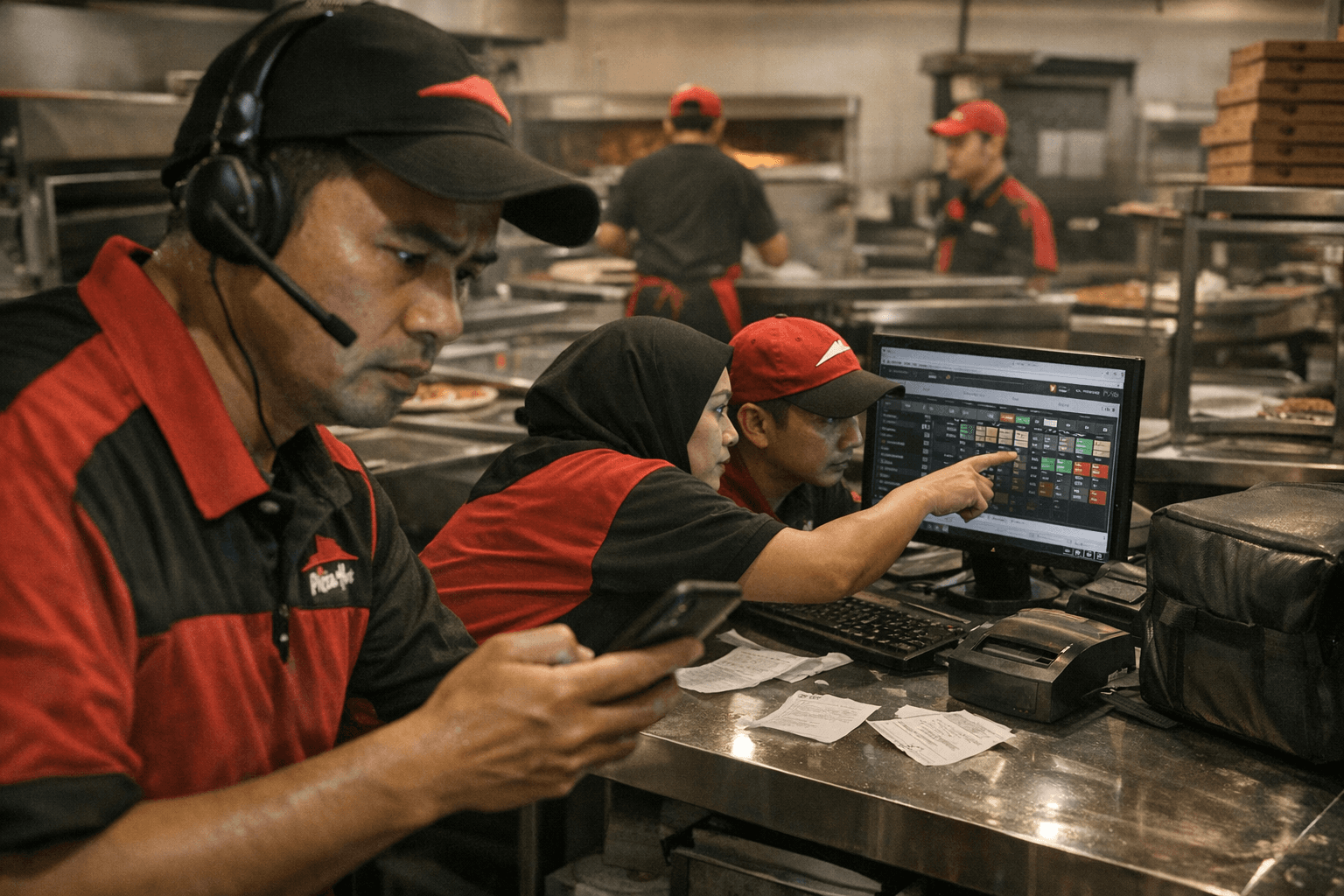
For crew members, the immediate priorities are clarity and training. Quick briefings on any visible changes to order screens, payment flows, or driver assignment steps can reduce mistakes and speed recovery during the first days after an update. Managers should plan for temporary staffing adjustments during known rollout windows and keep lines of communication open with franchise support to escalate technical issues.
What this means for workers is practical and near-term: expect intensified phone and drive-through traffic, extra on-the-floor tasks, and potential driver delays in the days following the Jan. 14 release. Managers who confirm rollout timing, review release notes, and stage brief training can limit disruptions and help crews return to normal service levels more quickly.
Sources:
Know something we missed? Have a correction or additional information?
Submit a Tip