Plaintiff Files ADA Suit Against Radhaus Restaurant in Northern District of California
Behruz Bonshahi sued Radhaus Restaurant LLC in federal court alleging violations of the Americans with Disabilities Act, a case that could prompt restaurants to reassess accessibility and staff duties.
Behruz Bonshahi filed a complaint against Radhaus Restaurant LLC in the U.S. District Court for the Northern District of California alleging violations of the Americans with Disabilities Act, 42 U.S.C. §12101. A docket entry on PacerMonitor shows the complaint was filed on Feb. 2, 2026, beginning what could become a test of accessibility practices at the Radhaus location and a reminder for restaurants about front-of-house responsibilities.
The complaint invokes federal civil rights protections that require public accommodations, including restaurants, to provide accessible routes, seating, restrooms, and service for patrons with disabilities. For restaurant employees, those requirements translate into operational details: maintaining unobstructed aisles, ensuring accessible seating assignments on busy shifts, managing service paths so servers and bussers can reach accessible tables, and coordinating with management when physical updates are necessary.
For managers and owners, the suit highlights potential legal and business consequences. ADA litigation can lead to court orders to modify facilities, temporary disruption while repairs are made, and legal costs. Kitchens and back-of-house operations may see schedule changes and added responsibilities for staff who must assist with alternate seating or accommodate service requests tied to accessibility. Human resources and shift supervisors will likely play an outsized role in documenting compliance and training staff on how to handle accommodations without discriminating.
Radhaus Restaurant LLC now faces the court process that could include discovery, accessibility surveys, and either settlement negotiations or further litigation. The outcome could set practical expectations for how quickly a neighborhood restaurant must remedy alleged barriers and how much burden falls on staff versus ownership to implement fixes.
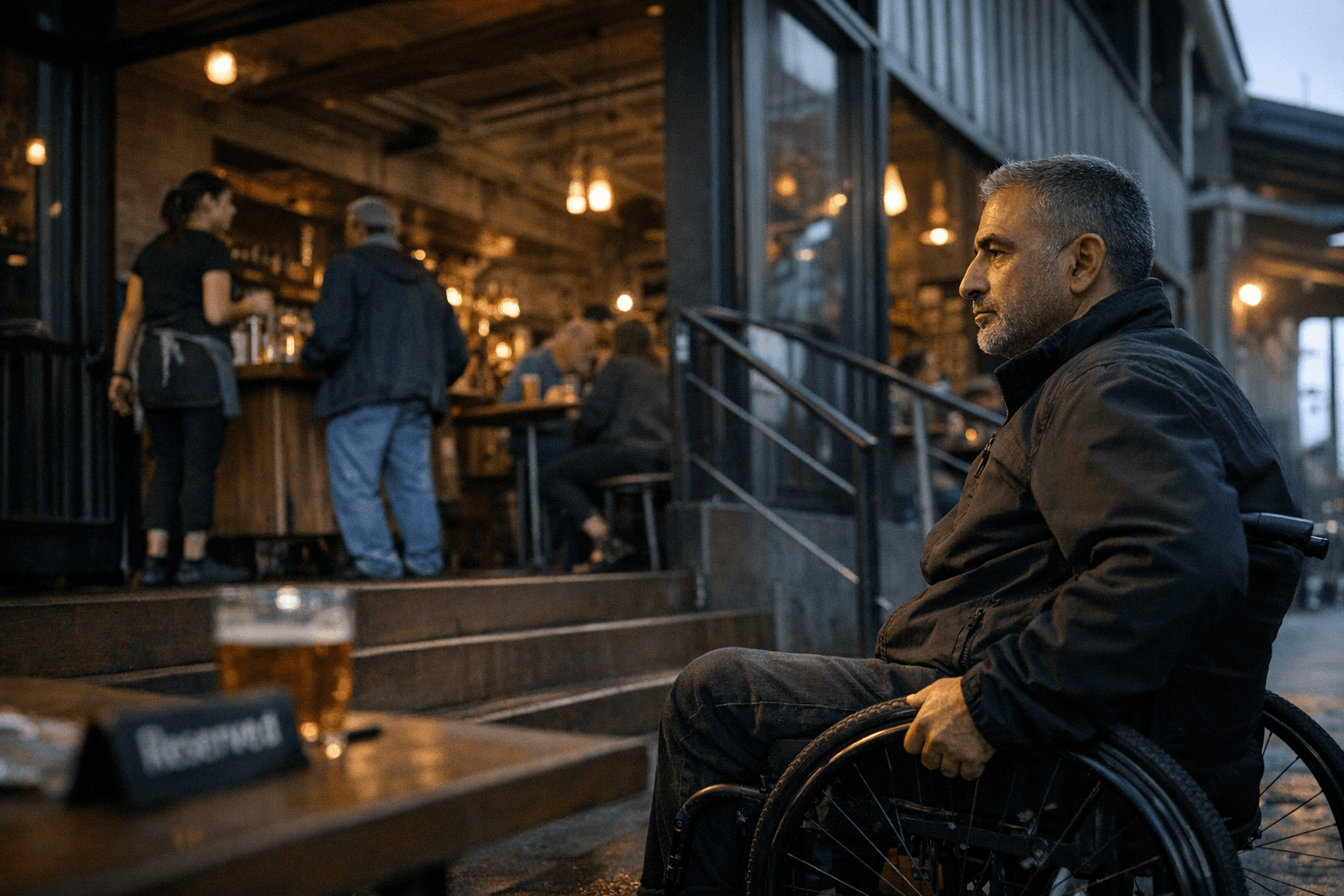
The broader restaurant community pays attention because suits like Bonshahi’s often prompt swift operational responses at other establishments. Independently owned and multiunit operators alike must balance the costs of retrofits against potential liability and reputational risk. For many restaurants, the fastest remedies are procedural: routine accessibility audits, staff training on accommodating customers with disabilities, and clearer policies for seating and restroom access.
What comes next is procedural: the Northern District will process the complaint and the parties will exchange information that will illuminate the specific barriers alleged. For restaurant workers, the case underscores a near-term focus on front-of-house practices and communication. For owners and managers, it signals a reminder that accessibility is both a legal obligation and a core element of service.
Know something we missed? Have a correction or additional information?
Submit a Tip