Plan Your Visit, Sleeping Bear Dunes Advice for Grand Traverse County
Sleeping Bear Dunes National Lakeshore remains one of the region's most visited attractions, and the park's Plan Your Visit pages are now the go to resource for hours, pass requirements, safety and trail conditions. Check entrance pass rules, the Current Conditions page, and facility status before any trip to avoid closures and help local businesses that depend on steady visitor flows.
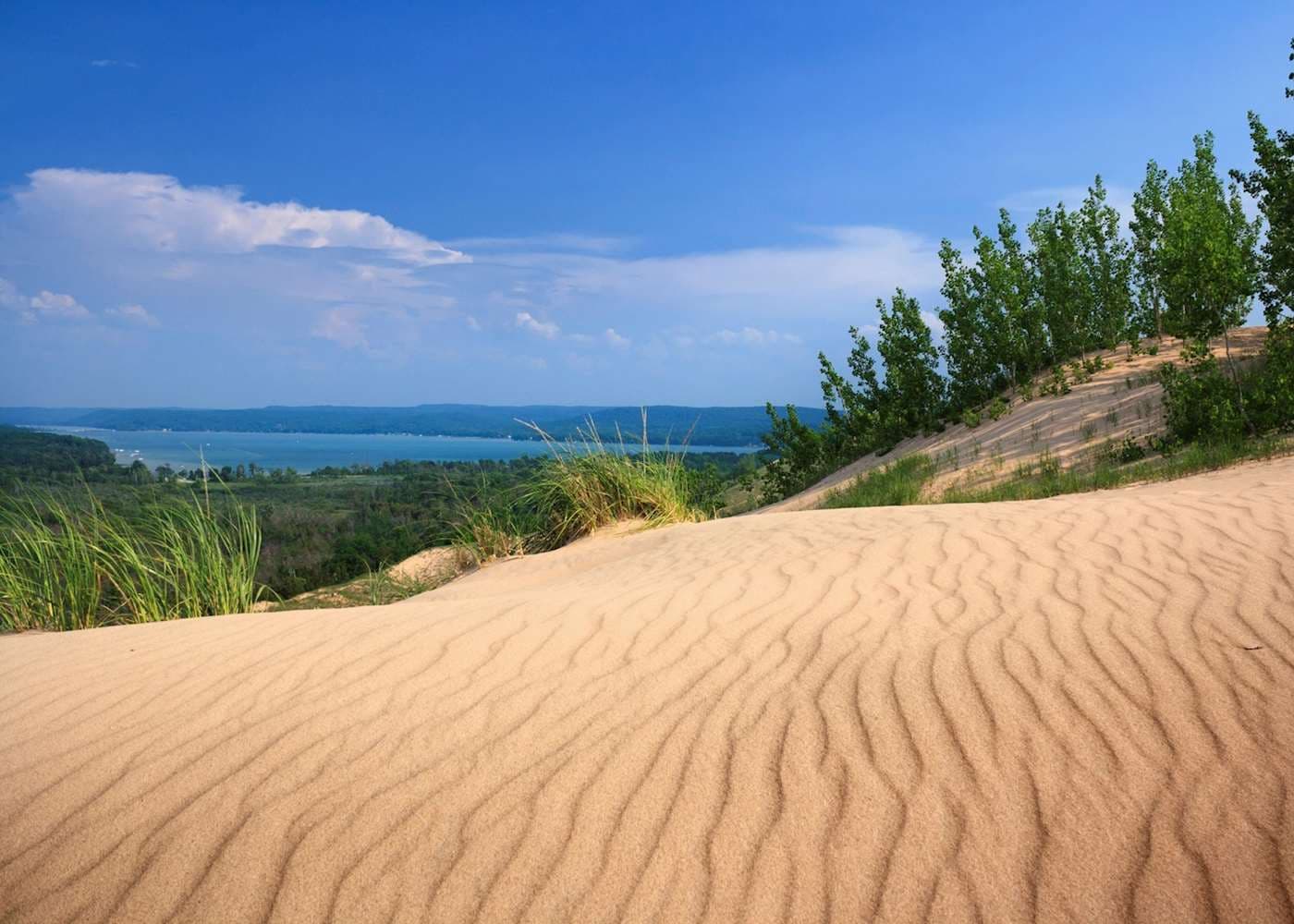
Sleeping Bear Dunes is a central draw for residents and visitors to Grand Traverse County, and planning ahead has become a key part of protecting safety and the local economy. Entrance passes are required for many park areas, and visitors can buy them online or at the Philip A. Hart Visitor Center. Check the park's Current Conditions page before leaving home because closures, weather updates, trail maintenance and seasonal restrictions are posted there and can change access on short notice.
Popular sites including the Dune Climb, Pierce Stocking Scenic Drive, Empire Bluff and Pyramid Point concentrate crowds. To avoid heavy traffic and limited parking, arrive early in the morning or later in the day for quieter visits. The park's planning pages also list campground and visitor center status, trail accessibility details and seasonal notes that determine which facilities are open during the winter and shoulder season.
For Grand Traverse County the operational status of the lakeshore matters beyond recreation. Businesses that rely on steady visitor flows including lodging, restaurants and seasonal outfitters face more volatile demand when closures or weather reduce access. Purchasing passes online and checking conditions in advance reduces wasted trips and can smooth demand for local services. Park closures for trail work or weather are an immediate cause of lost foot traffic and lower local revenues when they occur, which is why up to date information is material to household budgeting and business planning.

Policy considerations include balancing revenue from entrance fees with equitable access for county residents, and coordinating with state and local officials on seasonal maintenance windows to limit overlap with peak weekends. Long term trends that affect planning include growing demand for outdoor recreation and shifting seasonal patterns as winter weather and lake ice cycles change. For residents and visitors, the simplest steps are to consult the Plan Your Visit pages, buy required passes before arrival and time visits to avoid peak crowds. Those actions protect personal safety and help sustain the county economy that depends on one of its most visited natural assets.
This article was produced by Prism’s automated news system from verified source data, official records, and press releases, then run through automated quality and moderation checks before publishing. The system is built and supervised by the people who set the standards it runs under. Read our full AI policy.
Know something we missed? Have a correction or additional information?
Submit a Tip