Plano Plans Alternative Public Transit Including On-Demand Microtransit After DART Exit
Plano will pursue withdrawal from DART and develop alternative public transit, including on-demand microtransit, a shift that could change local commutes and regional connections.
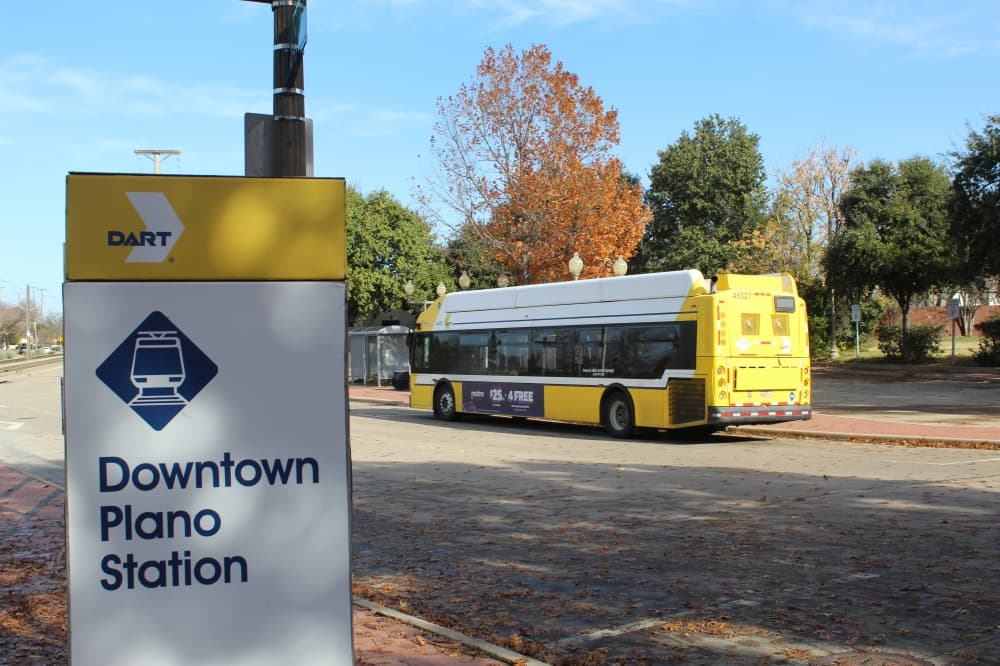
Plano city leaders moved on Feb. 12, 2026 to pursue withdrawal from the Dallas Area Rapid Transit system, and the city is now planning an alternative public transit approach that will include on-demand microtransit as a core element. The decision marks a significant shift for Collin County commuters who rely on regional bus and rail links for work, school, and errands.
The Plano City Council and municipal staff framed "alternative" transit as a mix of flexible, smaller-scale services rather than expanded fixed-route rail. On-demand microtransit refers to app- or phone-requested shuttle service that can operate curb-to-curb or on flexible routes, typically using smaller vehicles. City leaders emphasized the model as a way to right-size service for lower-density suburban corridors while trying to preserve connections to major employment centers and transit hubs.
For riders, the immediate questions are practical: how will routes change, what will passengers pay, and how will transfers to regional services be handled? Leaving DART could alter how Plano residents access Trinity Railway Express stations, park-and-ride lots, and regional bus lines. Seniors, students and shift workers who depend on predictable schedules will be closely watching service plans from Plano and any interim agreements with neighboring jurisdictions.
The financial implications are central to the move. Membership in a regional transit authority involves tax commitments and shared obligations for capital projects and operations. Pursuing withdrawal allows Plano to redirect funding toward locally designed services, but it also raises the prospect of transitional costs, negotiation over shared assets, and the need to secure alternative operating subsidies. Local business districts that depend on transit access for employees and customers will want clear timelines.

Plano’s decision fits a broader trend among suburbs rethinking transit after years of changing commuting patterns and technological shifts. On-demand microtransit has been tested as a complement to fixed-route service in several contexts, offering greater coverage at lower base cost but often with trade-offs in capacity and predictability. Coordination with DART and neighboring cities will determine whether Plano’s plan becomes a seamless complement to regional travel or creates gaps that push more trips back to private vehicles.
Next steps will include detailed service proposals, budget analysis, and public outreach. Plano City Council members and transit staff are expected to present implementation timelines and cost estimates in upcoming meetings. For Collin County residents, the transition means paying attention to city notices about public meetings, proposed routes, and pilot programs so that community needs - from early-morning commutes to access for non-drivers - are reflected in the new system.
Sources:
Know something we missed? Have a correction or additional information?
Submit a Tip