Platner suspends Maine Senate campaign, exposing Democratic divisions
Graham Platner’s withdrawal jolted Maine’s Senate race, exposing a Democratic rift that could complicate the party’s path to a four-seat majority.

Graham Platner’s suspension of his Maine Senate campaign on July 8 threw the state’s top Democratic pickup target into turmoil and exposed a deeper fight inside the party over who is fit to win in a battleground state. Platner, a former U.S. Marine and oysterman who won the Democratic nomination on June 9, stepped aside after a series of controversies, including a new sexual assault allegation from an incident in 2021 that he denies.
The fallout reaches far beyond Maine. Republicans hold a 53-47 Senate majority, and Democrats need a net gain of four seats to take control in the November 3 election. Maine is one of the party’s most important opportunities: Susan Collins has held the seat since 1997, is seeking a sixth term, and remains the only Republican senator representing a state that voted for Kamala Harris in 2024. Platner had built a large grassroots network, with his campaign saying he drew more than 15,000 volunteers and more than 150,000 primary votes.
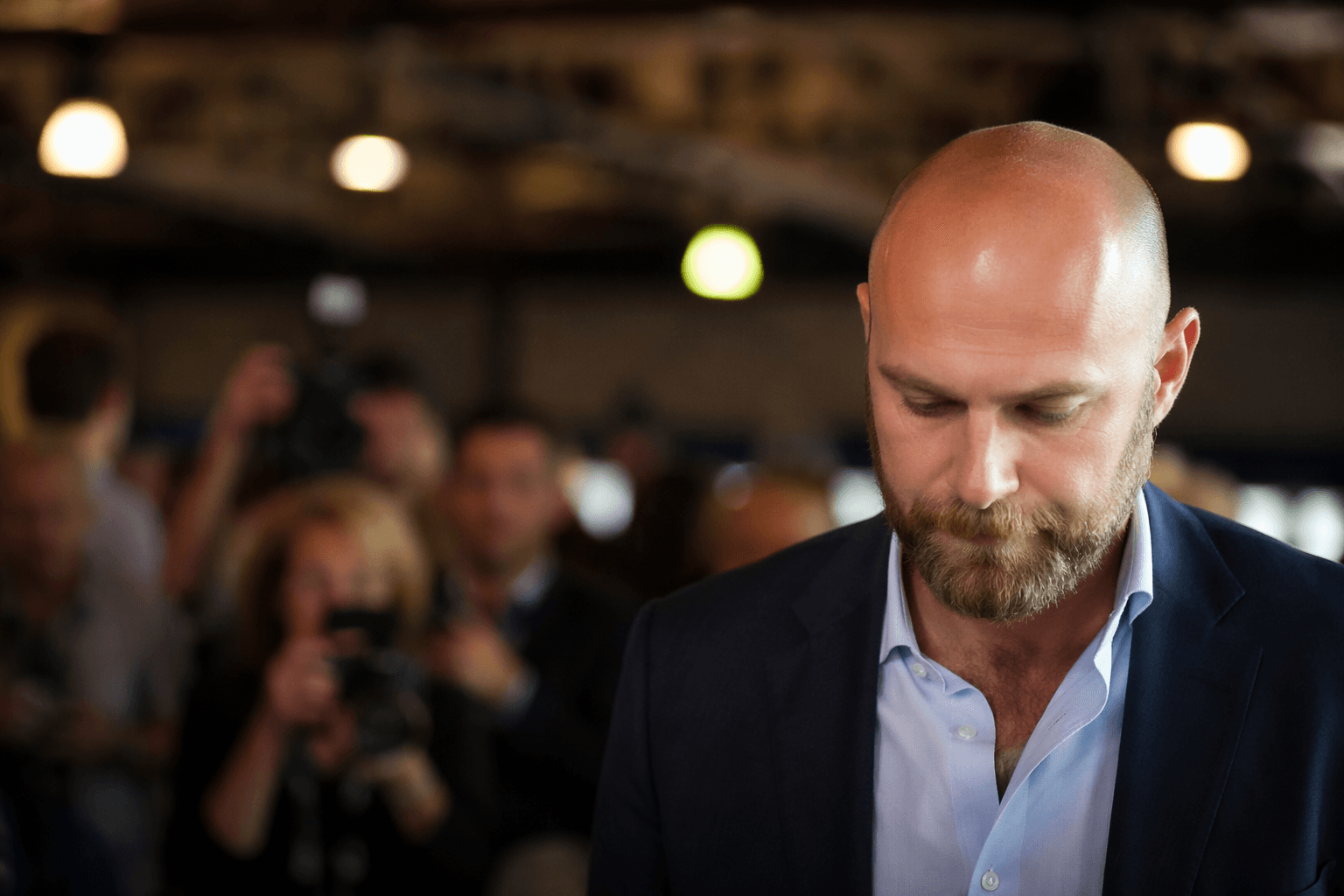
In a recorded video posted on social media, Platner said, “for the movement to continue, it can't be me.” He said he intended to file paperwork to withdraw, while arguing that the allegations were timed to push him off the ballot and denying wrongdoing. Under Maine’s replacement rules, he had until July 13 to formally withdraw, and if he did, the state party would have until July 27 to choose a new nominee. The Maine Democratic Party said it would hold a nominating convention if he stepped aside, with roughly 600 delegates expected to participate.
The scramble over a replacement has already become its own fight. The Maine Democratic Party accused Platner’s campaign of trying to “put their thumb on the scale” in the process, while Platner’s team said it had reached out to understand the rules and denied trying to influence the outcome. The dispute has sharpened the divide between the party’s left wing and its moderates, turning the race into a proxy fight over whether Democrats should elevate insurgent candidates or more institution-friendly ones.
The reaction from Democratic leaders was swift. Bernie Sanders, Platner’s highest-profile backer, urged him to withdraw, and Elizabeth Warren also pulled her support and called on him to step aside. Maine officials including state Senate President Mattie Daughtry and Secretary of State Shenna Bellows said the allegations were serious and that Platner needed to go. David Costello, another 2026 primary contender, said, “If Graham Platner is out, then I’m in.”

For Republicans, Platner’s baggage had looked like an opening; his exit may leave them facing a more conventional Democrat in a race that still sits at the center of the Senate map. That makes Maine more than a local scramble, because the same tensions over vetting, ideological purity and electability are likely to shape other competitive Democratic contests heading toward 2028.
This article was produced by Prism’s automated news system from verified source data, official records, and press releases, then run through automated quality and moderation checks before publishing. The system is built and supervised by the people who set the standards it runs under. Read our full AI policy.
Did this article answer your question?